
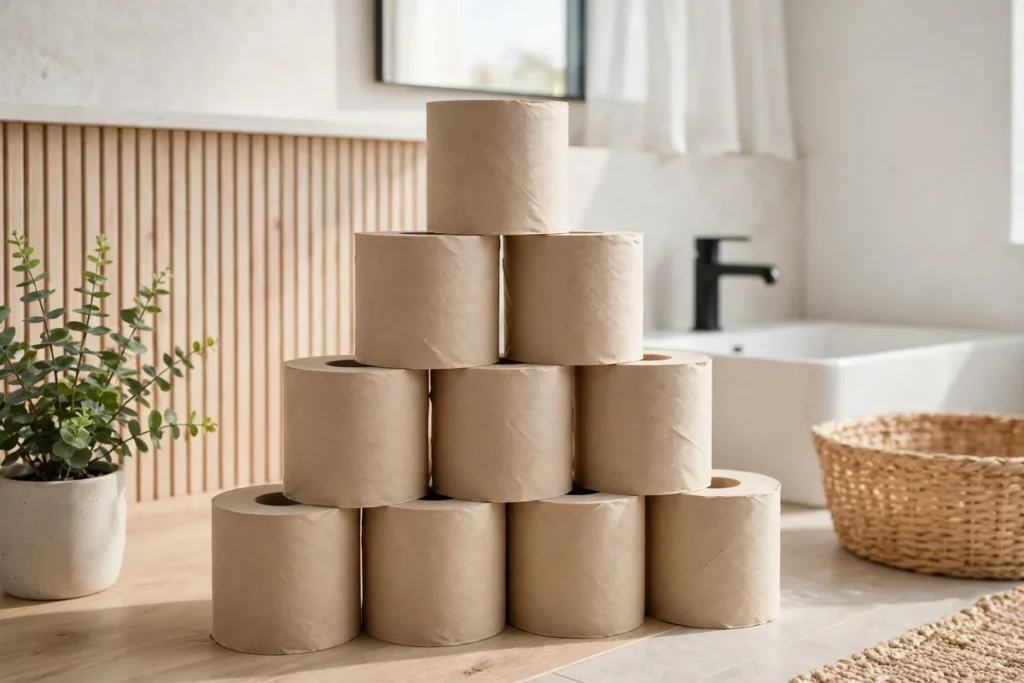
The best bamboo toilet paper is 100% bamboo, 3-ply, FSC-certified, and plastic-free. Reel is the softest widely available pick, Who Gives A Crap pairs good paper with a strong charity mission, and Caboo is the easy store-shelf option. Expect to pay more than conventional paper, and know that almost all of it is made in China.
Walk down any supermarket aisle and toilet paper all looks the same. Order bamboo toilet paper online and the sameness falls apart fast. Some rolls are thick and soft, some are thin enough to see through, some arrive wrapped in plastic despite the green branding, and the prices swing wildly for products that all claim to save the planet.
This guide is the honest version. No brand paid for a placement here, there are no affiliate links, and nothing below was supplied by a manufacturer. What follows is what the research actually shows: which bamboo toilet papers are worth buying, what the labels really mean, and where the marketing quietly overreaches.
What “Best” Actually Means for Bamboo Toilet Paper
“Best” is doing a lot of work in that keyword, so let us define it before naming any brand. A good bamboo toilet paper has five things going for it.
First, the material should actually be bamboo. Look for “100% bamboo” on the pack. Some products blend bamboo with other fibers or use bamboo only in the branding, so the materials line matters more than the front of the pack.
Second, ply and sheet count. Most bamboo toilet paper is 2-ply or 3-ply. Three-ply is thicker and softer per sheet, which means you use fewer sheets. Do not compare roll counts alone; compare sheets per roll and ply, because a 300-sheet 3-ply roll and a 200-sheet 2-ply roll are very different products.
Third, certifications that someone independent actually checked. FSC certification means the fiber was sourced responsibly, and B Corp certification means the company passed an independent audit of its social and environmental practices. These two marks separate the serious brands from the ones just printing leaves on the wrapper.
Fourth, what is not in it. The best options skip added fragrance and dyes, and many skip chlorine bleach entirely (unbleached rolls are brownish, and that is fine). If you have sensitive skin, this matters more than softness marketing.
Fifth, the packaging. A genuinely eco-minded brand wraps rolls in paper, not plastic. If the bamboo roll arrives in plastic shrink wrap, the green story has a hole in it.
Is Bamboo Toilet Paper Really Soft?
Yes, with one honest caveat. Bamboo fibers are naturally smooth, which gives bamboo toilet paper a soft, almost silky feel rather than the fluffy cushion of premium conventional paper. A good 3-ply bamboo roll is thick, strong, and genuinely comfortable. It does not feel like the scratchy eco paper of a decade ago; that version of this product is gone.
The caveat: it is a different kind of soft. One reviewer testing a popular bamboo paper put it well: if you are used to an ultra-plush conventional brand, bamboo will feel firmer and smoother rather than puffy. People switching from mid-range conventional paper usually notice no downgrade at all. And softness varies by brand: independent testing has found real differences, with some bamboo papers noticeably softer than others, so the brand pick below actually matters.
For context on how bamboo fiber feels against skin generally, our look at bamboo bedding found the same pattern: smooth and gentle rather than lofty. Read more in are bamboo sheets good for skin and sleep.
Is Bamboo Toilet Paper Better for the Environment?
This is where the honest answer has three layers.
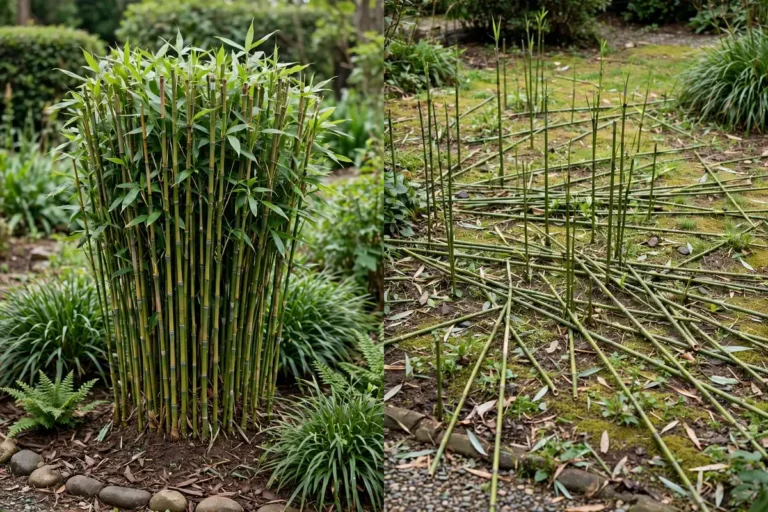
Against conventional toilet paper, bamboo wins clearly. Conventional paper is made from virgin tree pulp, and the Natural Resources Defense Council’s Issue with Tissue reporting has documented that major brands still rely heavily on virgin fiber from boreal forests (NRDC). Bamboo is a grass, not a tree. It regrows to harvest size in 3 to 5 years without replanting, needs no pesticides, and making paper from it cuts no old-growth forest. On deforestation alone, the comparison is not close.

Against recycled toilet paper, the answer is more balanced, and you should hear it straight. Recycled paper has a genuine edge on resources: the fiber already exists, so no new crop is pulped at all. Bamboo’s edge is performance: new bamboo fibers are longer and smoother than fibers that have already lived one life as office paper, which is why bamboo toilet paper is consistently softer and stronger than recycled. Both are far better than virgin tree paper. Choose recycled if your top priority is minimum resource use; choose bamboo if you want the eco option that feels closest to conventional.
One more honest note: you will see dramatic environmental statistics on bamboo brand websites, like huge water savings or carbon figures. Those numbers come from the brands’ own marketing, not from published life-cycle studies we could verify, so this guide does not repeat them. The deforestation case above is the solid one, and it is enough.
How Is Bamboo Toilet Paper Made?
The process is refreshingly ordinary, which is worth saying because bamboo fabric has a complicated chemical reputation that does not apply here.
Bamboo stalks are harvested, chipped, and cooked down into pulp, much like wood paper. The pulp is washed, spread into thin sheets, dried, and wound into giant rolls that get cut down to toilet-paper size. Sheets are then bonded into 2-ply or 3-ply, perforated, and rolled onto cores.
Here is the distinction that matters: bamboo fabric (viscose) is dissolved in harsh solvents and chemically rebuilt into fiber, but bamboo toilet paper skips that entire chemical rebuild. It is papermaking, not viscose chemistry. The chemical choice that remains is about whitening: unbleached (cream to light brown), oxygen-whitened, or chlorine-bleached. That is why “unbleached” on the pack is the single most meaningful processing claim you will see.
What Should You Look for on the Label?
Turn the pack over and check five things.
“100% bamboo.” Not “bamboo blend,” not “contains bamboo.” The whole sheet should be bamboo fiber.
FSC certification. The Forest Stewardship Council label means an independent auditor checked the fiber sourcing. FSC explains exactly what its labels mean on its own site, and it is worth the two minutes to learn them.
B Corp certification. This one audits the company, not just the fiber: labor practices, environmental management, transparency. A B Corp logo on a toilet paper brand is a meaningful signal.
Unbleached or chlorine-free. Conventional paper is often whitened with chlorine chemistry. Many bamboo brands skip bleach entirely (the paper looks cream or light brown) or use oxygen-based whitening. Either is better than chlorine bleach, and unbleached is the gentlest option for sensitive skin.
Ply, sheets, and packaging. Confirm 2-ply or 3-ply, check sheets per roll so you can compare value honestly, and confirm the wrapping is paper, not plastic.
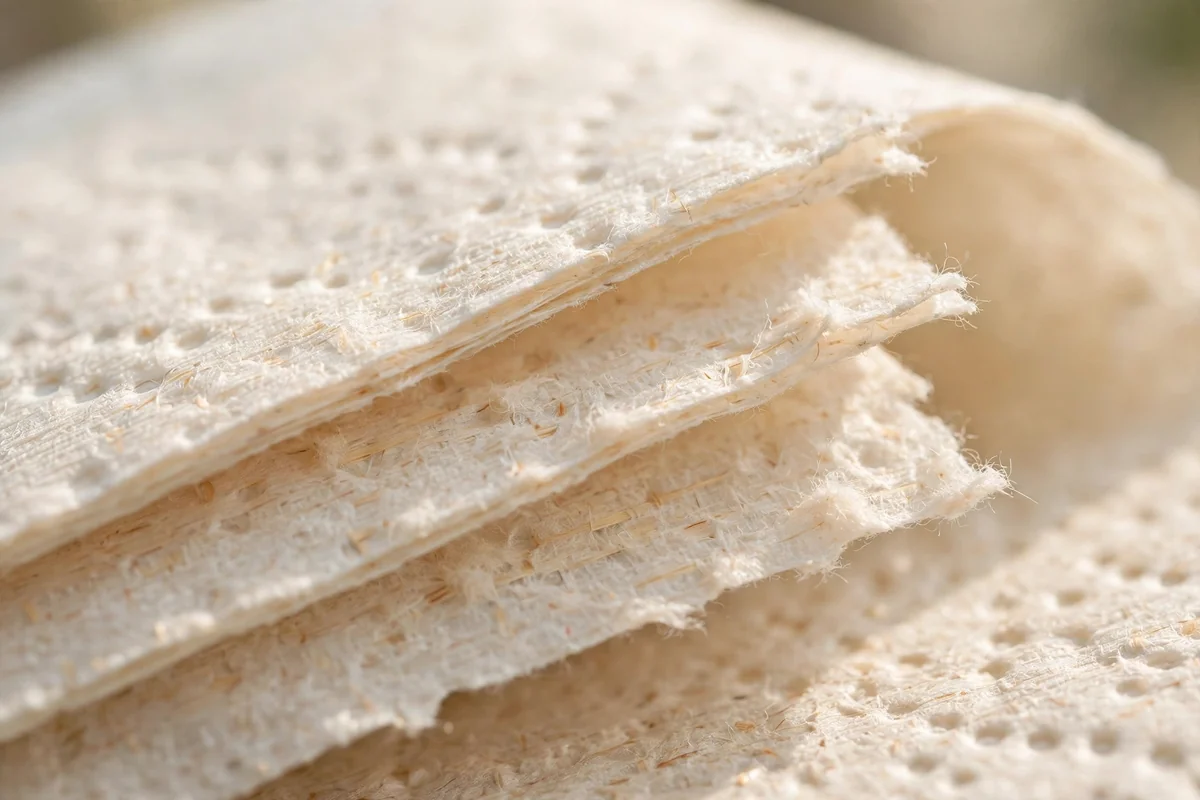
Red flags: packaging that says “eco” everywhere but names no certification, no materials line at all, or a brand that will not say where the bamboo comes from. The approach here is the same one we use across this site: read the materials line, not the marketing line, as we did when sorting out which bamboo plates are actually safe.
The Best Bamboo Toilet Paper Brands for 2026
Four picks, each for a different buyer. Every attribute below was verified on the brand’s own official site. Prices change too often to print, so check current listings.
1. Reel: the softness pick
Reel makes one product: toilet paper from 100% bamboo, in 3-ply. The company’s site states the paper is tree-free and 100% bamboo, carries the Certified B Corporation logo, confirms FSC certification, and says the rolls come in 100% plastic-free packaging, free of inks, dyes, and BPA (Reel Paper). In independent testing by Tilted Map, Reel came out as the softest bamboo toilet paper of the brands tried, described as feeling more like a thin, soft fabric than paper, and it did not pill, tear, or fall apart in use. If softness is your top criterion, start here. The trade-offs: it is a premium-priced product, and like most bamboo paper it is manufactured in China, close to where the bamboo grows.
2. Who Gives A Crap: the mission pick
Who Gives A Crap sells a 100% bamboo toilet paper line made, in their words, from sustainably sourced bamboo fibers, in an extra-cushy 3-ply with double-length rolls. The company is a Certified B Corp, publishes FSC certification information, and states that it donates 50% of its profits to sanitation organizations (Who Gives A Crap). That last fact is central to the brand: half the profit builds toilets. The honest caveat, echoed across reviews: opinions on comfort and shredding vary, with some users finding it less cushy than Reel. If you want your purchase to fund sanitation work and still get certified bamboo paper, this is the pick. The company also sells a recycled-paper line, which makes it the easiest single brand for comparing bamboo against recycled head to head.
3. Caboo: the store-shelf pick
Caboo’s pitch is simple: tree-free bamboo toilet paper, “no wood” as their site puts it (Caboo). Caboo is one of the bamboo names that surfaces most in search suggestions, which tells you it is widely shopped, and it is the easiest of these picks to find without ordering direct. The honest caveat: Caboo publicizes fewer third-party certifications than Reel or Who Gives A Crap, so check the specific product’s pack for FSC or similar marks before you buy, and hold it to the same label checklist above.
4. PlantPaper: the purity pick
PlantPaper’s whole identity is what it leaves out: the brand is described as 100% bleach-free, toxin-free, and PFAS-free, with thick, larger-than-average sheets (PlantPaper). On the independent review platform Thingtesting it holds a 4.3 rating with 77% of reviewers recommending it, praised as soft, sturdy, and low-lint. The honest caveats come from the same reviews: some users find it rougher or thinner than premium 3-ply competitors, a few report shedding, and it is priced at the premium end. If your priority is the cleanest ingredient story, start here, but know the texture divides opinion.
Also worth a look: Betterway, Seek Bamboo, Cloud Paper, and NooTrees all appear across reviews and roundups. Run each through the label checklist above before buying; certifications vary by product, not just by brand.
Bamboo vs Recycled vs Conventional: The Full Comparison
| Feature | Bamboo toilet paper | Recycled toilet paper | Conventional toilet paper |
|---|---|---|---|
| Raw material | Bamboo grass pulp; regrows in 3 to 5 years | Post-consumer waste paper | Virgin tree pulp, often boreal forest |
| Softness | Soft and smooth; good 3-ply rivals mid-range conventional | Less soft; shorter, previously used fibers | Softest at the premium ultra-plush tier |
| Strength | Strong, low lint | Decent; can pill more | Strong |
| Bleach and chemicals | Usually unbleached or oxygen-whitened; no fragrance or dyes | May carry traces of BPA from thermal receipt paper in the recycling stream | Chlorine bleaching common; fragrance and dyes in some brands |
| Packaging | Usually plastic-free paper wrap | Often plastic-free | Plastic wrap is standard |
| Price per roll | Highest | Middle | Lowest |
| Septic breakdown | Breaks down well; 3-ply slower than 1-ply | Breaks down well | Varies; ultra-thick types break down slowest |
| Forest impact | No trees cut | No new trees cut | Virgin pulp drives deforestation pressure |
Is Bamboo Toilet Paper Septic Safe?
Generally, yes. Bamboo toilet paper is designed to break down in water, and it is widely regarded as septic-safe, including by the brands themselves. The honest nuance: thicker 3-ply sheets take longer to disintegrate than thin 1-ply, so if your septic system is sensitive, give new paper a few weeks of observation, use less per visit, and never flush anything labeled “flushable” except actual toilet paper. We are preparing a dedicated deep dive on bamboo toilet paper and septic systems; this section is the short answer, not the whole story.
Is Bamboo Toilet Paper Worth the Higher Price?
It costs more per roll than conventional paper; that is the consistent finding across every price comparison we reviewed. Whether it is worth it depends on what you are paying for.
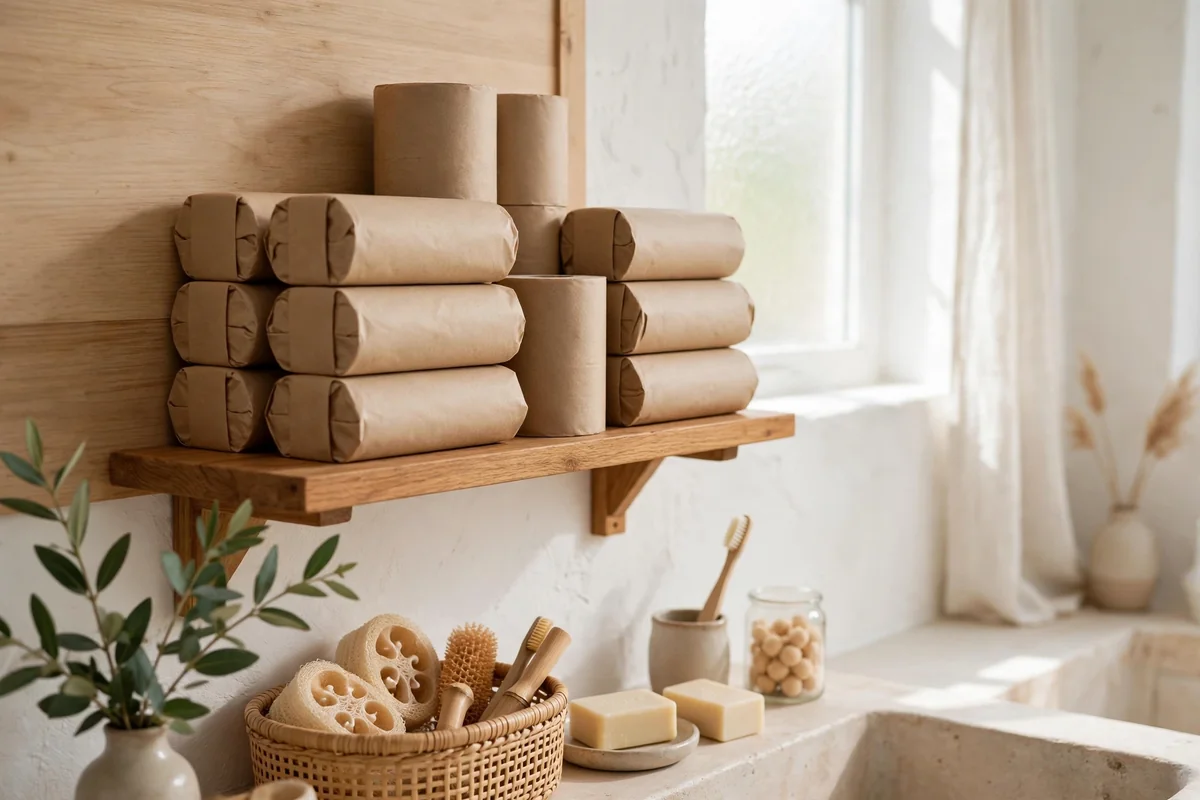
You are paying for three real things: no deforestation in your supply chain, cleaner chemistry (no chlorine bleach, no fragrance, no dyes in the good ones), and plastic-free packaging. You are not paying for magic. A bamboo roll does not clean better than a conventional roll; it cleans the same while costing the planet less.
Two ways to narrow the gap: subscriptions, which most bamboo brands discount, and buying in bulk, which cuts the per-roll price. Also compare honestly: a 300-sheet 3-ply bamboo roll lasts longer than a 200-sheet thin conventional roll, so the per-visit cost is closer than the per-roll price suggests.
Is Any Bamboo Toilet Paper Made in the USA?
This one comes up constantly in search suggestions, so here is the straight answer: essentially no. Bamboo grows commercially in China, and the major bamboo toilet paper brands manufacture there, near the bamboo supply, then ship the finished rolls. We could not verify any widely available bamboo toilet paper actually manufactured in the United States. If “made in USA” is a hard requirement for you, recycled toilet paper from domestic mills is the honest alternative; if bamboo is the priority, accept the shipping footprint as the trade-off.
Frequently Asked Questions
What is the best brand of bamboo toilet paper?
There is no single winner, which is why this guide names four. Choose Reel for maximum softness, Who Gives A Crap if you want your money funding sanitation projects, Caboo for the easiest purchase, and PlantPaper for the strictest no-bleach, no-toxin ingredient story. Match the pick to your priority, then verify the label checklist on the actual pack.
Is bamboo toilet paper safe for plumbing?
Yes, for normal household plumbing. Bamboo toilet paper is made to disintegrate in water, and it breaks down readily. Thicker 3-ply varieties take longer than thin ones, so if you have an older or sensitive system, start with a small pack and watch how it behaves before committing to bulk.
What is the healthiest type of toilet paper to use?
No authority publishes a ranked “healthiest toilet paper” list, so treat any such claim as marketing. The gentlest choice, regardless of fiber, is unbleached, fragrance-free, and dye-free. Bamboo papers meet that description more often than conventional ones, which is the real health story here.
Do gynecologists recommend bamboo toilet paper?
We found no evidence of gynecologists specifically recommending bamboo toilet paper as a category. What sensitive-skin guidance consistently supports is avoiding fragrance, dyes, and harsh bleach residues, which most bamboo toilet papers already do. If you have a medical concern, that is a conversation for your doctor, not a toilet paper brand.
Is bamboo toilet paper chemical free?
No paper product is literally chemical-free; making paper involves chemistry. The honest version of this claim is “no added fragrance, no dyes, and no chlorine bleach” on unbleached options. Read the pack for specifics rather than trusting the slogan.
Is bamboo toilet paper good for sensitive skin?
Often, yes. Most bamboo toilet papers skip the fragrances, dyes, and chlorine bleach that commonly irritate sensitive skin, and users frequently report improvement after switching. Skin reactions have many causes, though, so if irritation persists, see our guide on whether you can be allergic to bamboo and talk to a dermatologist.
The Honest Bottom Line
The best bamboo toilet paper is not a mystery: 100% bamboo, 3-ply, certified by someone independent, wrapped in paper instead of plastic. Reel wins on softness, Who Gives A Crap wins on mission, Caboo wins on convenience, and PlantPaper wins on purity. All four cost more than conventional paper and all four are made far from where most readers live. Buy the one that matches your priority, check the label before you trust the marketing, and you will have made the rare bathroom upgrade that is genuinely better in every way that counts.