
The short answer: Bamboo flooring is a good buy only if you pick the right type. Strand-woven bamboo is genuinely hard and suits busy homes, while horizontal, vertical, and carbonized bamboo dent and scratch easily. It is not waterproof, needs steady humidity, and some types cannot be refinished. Buy strand-woven, check the formaldehyde certification, and keep it out of full bathrooms.
Walk into a flooring shop and bamboo sounds like the perfect floor. It grows back in a few years instead of decades, it is harder than oak, it costs less than hardwood, and it is green. Some of that is true. Some of it is true only for one type of bamboo flooring, and some of it is marketing that falls apart the first time a dog runs across the room or a glass of water sits on the floor for an hour.
The problem is that “bamboo flooring” is not one product. It is at least four different products that share a plant: horizontal, vertical, strand-woven, and engineered bamboo. They differ so much in hardness, price, moisture behaviour, and refinishing that a claim which is true for one type is often false for another. Most of the arguments about bamboo flooring, online and in flooring shops, are really arguments between people talking about different types without realising it.
This guide splits the types first, then gives the honest pros and cons for each, with the numbers as the sources actually report them, including where they disagree. It covers water, lifespan, pets, refinishing, cost, formaldehyde, and which rooms suit bamboo and which do not. It also uses real owner experiences, including the unhappy ones, because the complaints are where the buying mistakes show up.
What are the types of bamboo flooring?
There are four types, and the type decides almost everything about how the floor will behave. Buy the wrong type for your home and no amount of careful maintenance will fix it.
Horizontal bamboo is made by laying wide bamboo strips flat and gluing them side by side. It shows the bamboo’s knuckles and gives the wide, flat grain pattern most people picture when they think of bamboo. Vertical bamboo uses narrow strips stood on edge and glued together, which gives a thin, striped look. Both are solid bamboo, and both are about as hard as red oak, not harder. HomeGuide puts horizontal bamboo at 1,180 on the Janka hardness scale and vertical at 1,380, against about 1,290 for red oak. Angi gives bamboo overall as 1,380 to 1,825. The point is the same either way: these two types are ordinary hardwood hardness, and they dent like ordinary hardwood.
Strand-woven bamboo is a different product. The bamboo is shredded into fibres, mixed with resin, and compressed under high heat and pressure into dense blocks, which are then cut into planks. The result is much harder: HomeGuide and Help With DIY put strand-woven at 3,000 to 5,000 or more on the Janka scale, and the manufacturer Ambient claims up to 5,300 or more for its own product. Flooring Contractors San Diego gives a lower range of 2,900 to 4,000. Whatever the exact figure, strand-woven is roughly two to three times harder than red oak, and it is the only type that earns the “harder than oak” claim. It also looks different: a busy, mottled grain with no visible knuckles.
Engineered bamboo is a thin bamboo veneer, usually 1 to 3 millimetres thick, glued over a plywood or HDF core. It is the cheapest way to get a bamboo look, it clicks together as a floating floor, and it is the type most often sold in big-box stores. Its durability is only as good as its veneer, and that thin top layer is the reason it usually cannot be refinished. Rigid-core bamboo, sometimes called SPC bamboo, is a separate variant: a vinyl plank with a bamboo veneer and a waterproof core. It is the only near-waterproof bamboo option, but it is a vinyl floor wearing a bamboo face, not a bamboo floor.
| Type | How it is made | Janka hardness | Materials cost | Lifespan | Can it be refinished? |
|---|---|---|---|---|---|
| Horizontal | Wide strips laid flat, glued side by side | About 1,180 | $2-4 per sq ft | 10-25 years | Yes, solid planks |
| Vertical | Narrow strips stood on edge, glued together | About 1,380 | $2-5 per sq ft | 10-25 years | Yes, solid planks |
| Strand-woven | Shredded fibres compressed with resin | 3,000-5,000+ | $4-8 per sq ft | 20-50 years | Yes, but hard to sand |
| Engineered | Thin bamboo veneer over plywood or HDF core | Varies, veneer only | $2-5 per sq ft | 15-30 years | Usually no, veneer too thin |
Two notes on the table. The Janka figures are the ranges the sources report, and they disagree at the edges, especially for strand-woven, where manufacturer claims run higher than independent guides. The lifespan figures are ranges for the same reason: Angi gives 10 to 30 years for bamboo overall, HomeGuide gives 20 to 25, EngineerFix gives 20 to 30, and manufacturer pages give 25 to 50 for strand-woven. Low-quality bamboo can last as little as 5 to 10 years, according to HomeGuide. Quality, harvest age, and maintenance move a floor across that whole range, so treat any single lifespan number as a claim about one product, not about bamboo in general.
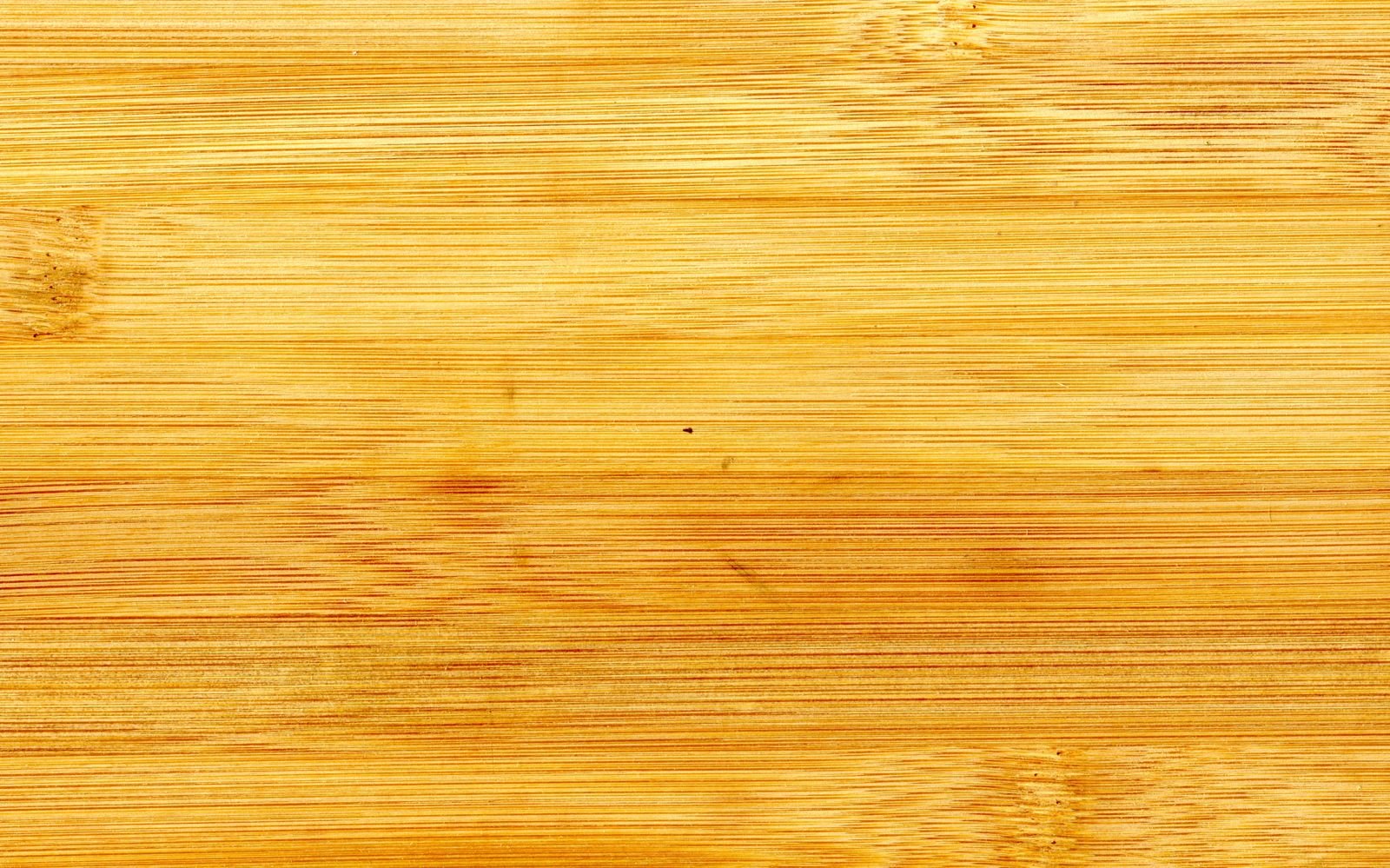
Carbonized bamboo is not a fifth type. It is a colour treatment applied to any of the types above: the bamboo is steamed under pressure until it darkens to a warm caramel brown. The colour is attractive, and it is the most common way to get a dark bamboo floor, but the heat softens the bamboo. HomeGuide puts the hardness loss at 20 to 30 percent, and Flooring Contractors San Diego and FlooringClarity put it at about 30 percent. A carbonized strand-woven floor is still reasonably hard. A carbonized horizontal floor is softer than red oak. If you want a dark floor and you have dogs or children, carbonized horizontal bamboo is the worst combination on this page. For more on how carbonizing works and where it is used, see our guide to carbonized bamboo.
What are the pros of bamboo flooring?
Bamboo flooring has real strengths, and they are worth stating plainly before the complaints. The plant itself is the first one. Bamboo is a grass, not a tree, and Moso bamboo, the species used for flooring, reaches harvest maturity in 5 to 7 years according to HomeGuide, Angi, and Help With DIY. Some sources give 3 to 5 years. Either way, that is far faster than the 20 to 120 years hardwood trees need, and the plant regrows from the same root system after cutting, so no replanting is needed. That fast growth is the genuine core of the eco-friendly claim, and it is not marketing.
The second strength is strand-woven hardness. A good strand-woven floor really is two to three times harder than red oak, and owners report it accordingly. One owner on Mumsnet, writing in 2025 about a floor installed in 2010, said strand-woven bamboo installed that year “still looks good as new”, with no heel marks after denting it once while moving a heavy appliance. Another owner on a forum said their strand-woven floor survived a hammer test, ski boots, and snowboard boots in a second home “without a problem at all”. These are individual reports, not a survey, but they match what the Janka figures predict: strand-woven is the hard type, and it behaves like it.
The third strength is price, with a qualification. Materials run about $2 to $8 per square foot depending on type, according to HomeGuide and The Spruce, against hardwood materials that often run $8 to $15 or more per square foot installed. Engineered bamboo can be as cheap as $2 to $5 per square foot for materials. The qualification is that installed prices overlap heavily with hardwood: Angi’s 2026 data puts bamboo installed at $7 to $20 per square foot and hardwood at $6 to $25, so a premium strand-woven floor can cost about the same as a mid-range engineered hardwood. Bamboo is cheaper at the same quality level, not cheaper in every comparison.
The fourth strength is looks and comfort. Bamboo has a clean, light, modern appearance that suits contemporary homes, and it comes in natural blonde, carbonized caramel, and stained colours. It is warmer underfoot than tile or stone, it does not hold dust and allergens the way carpet does, and it can be installed as a floating click-lock floor, which makes it a realistic DIY project. It is also, in the right type, a durable floor: strand-woven bamboo with a good finish and a long warranty is a serious long-term floor, not a compromise product.
What are the cons of bamboo flooring?
The cons are where most buyers get surprised, because they are the things the showroom does not demonstrate. Scratching and denting come first. Nearly every owner thread read for this guide mentions them, with roughly 25 separate reports across the forums. The complaints are specific and consistent: dents from a pencil dropped point-down from waist height, from a tape measure knocked off a counter, from fingernails, from a plastic cup. One owner wrote that the finish on a newly installed carbonized floor “can be scratched off by my finger nail”, with “dents and scratches everywhere”. Another, the day after installation, reported “multiple scratches, even gouges in the floor” from “dogs, my vacuum cleaner, even a plastic hamper my husband pushed to the side”. These are mostly carbonized and horizontal or vertical floors, not strand-woven, but the pattern is clear: the factory finish scratches long before the bamboo itself fails, and scratches on dark floors show white, which makes them far more visible than the same scratch on a light floor.
Moisture is the second con, and it is the one that causes the most expensive failures. Bamboo is hygroscopic, meaning it absorbs and releases moisture with the air around it, so it swells in humid conditions and shrinks and cracks in dry ones. Spills left standing, steam mops, and humidity swings cause cupping, warping, and buckling. One owner reported edges curling where planks met, so badly that “my socks would get caught between them”. Another found pools of dog urine under the boards during a tear-out, despite vigilant cleaning. The Lumber Liquidators Morning Star strand bamboo class action, Gold v. Lumber Liquidators (Case No. 3:14-cv-05373, N.D. Cal.), settled for about $30 million with an estimated 300,000 class members; the allegations were warping, cracking, shrinkage, and splintering well before the 30-year warranty. Those are allegations, not findings, and the settlement is not an admission of defect, but the case is a matter of public record and it is the largest single warning in this topic that moisture and quality control matter more than the brand name on the box.
The third con is fading and colour change in sunlight. Natural bamboo darkens with sun exposure and carbonized bamboo lightens, so a rug left down for a few weeks can leave a visible outline. One owner wrote that after moving a rug that had been down for two weeks there was already “major bleaching of the non covered wood”. Another described lifting the corner of a dining room rug to find the floor underneath “super light blonde, just as when we had it installed”, while the floor around it had become “a deep golden color”. This is not a defect in one brand. It is how bamboo behaves in direct sun, and it is worse in rooms with large south-facing windows.
The fourth con is quality variance with no reliable grading system. The Spruce notes that there is no independent grading system for bamboo flooring, so retailer grades are arbitrary, and cheap bamboo is consistently described as soft, short-lived, and a false economy. Early harvest, before 5 to 7 years, makes soft planks. Most bamboo flooring is made in China and Southeast Asia, so the shipping footprint also weakens the eco claim, and oversight of adhesives and drying varies by factory. Two floors that both say “bamboo” on the box can be entirely different products. The buying checklist at the end of this guide exists because of this con more than any other.
The fifth con is the sound and feel. Bamboo over a cheap underlayment can sound hollow and echoey underfoot, and its sound insulation is poor. It is a minor complaint next to warping, but owners notice it every day, and a quality underlayment is the fix, not a different bamboo type.
Is bamboo flooring waterproof?
No. This is the single most important correction in this guide, because “waterproof bamboo” is one of the most common claims in flooring shops and it is wrong for almost every bamboo floor sold. A sealed bamboo floor resists a quick spill that you wipe up at once, because the polyurethane finish holds water off the surface for a short time. It does not resist standing water, leaks, steam, or a wet mop. Water gets into the seams, the bamboo swells, and the boards cup and warp. The finish is water resistant. The floor is not waterproof.
There is exactly one exception, and it is not really a bamboo floor. Rigid-core bamboo, also sold as SPC bamboo, has a waterproof stone-plastic core under a thin bamboo veneer, so the core will not swell. Even then, water can pass through the seams to the subfloor, and Home Depot reviews of one such product report urine pooling under the boards and edges curling. If a salesperson tells you a solid or engineered bamboo floor is waterproof, ask them to show you the warranty wording. The warranties say the opposite: most manufacturers void the warranty for water damage from mopping, leaks, or steam.
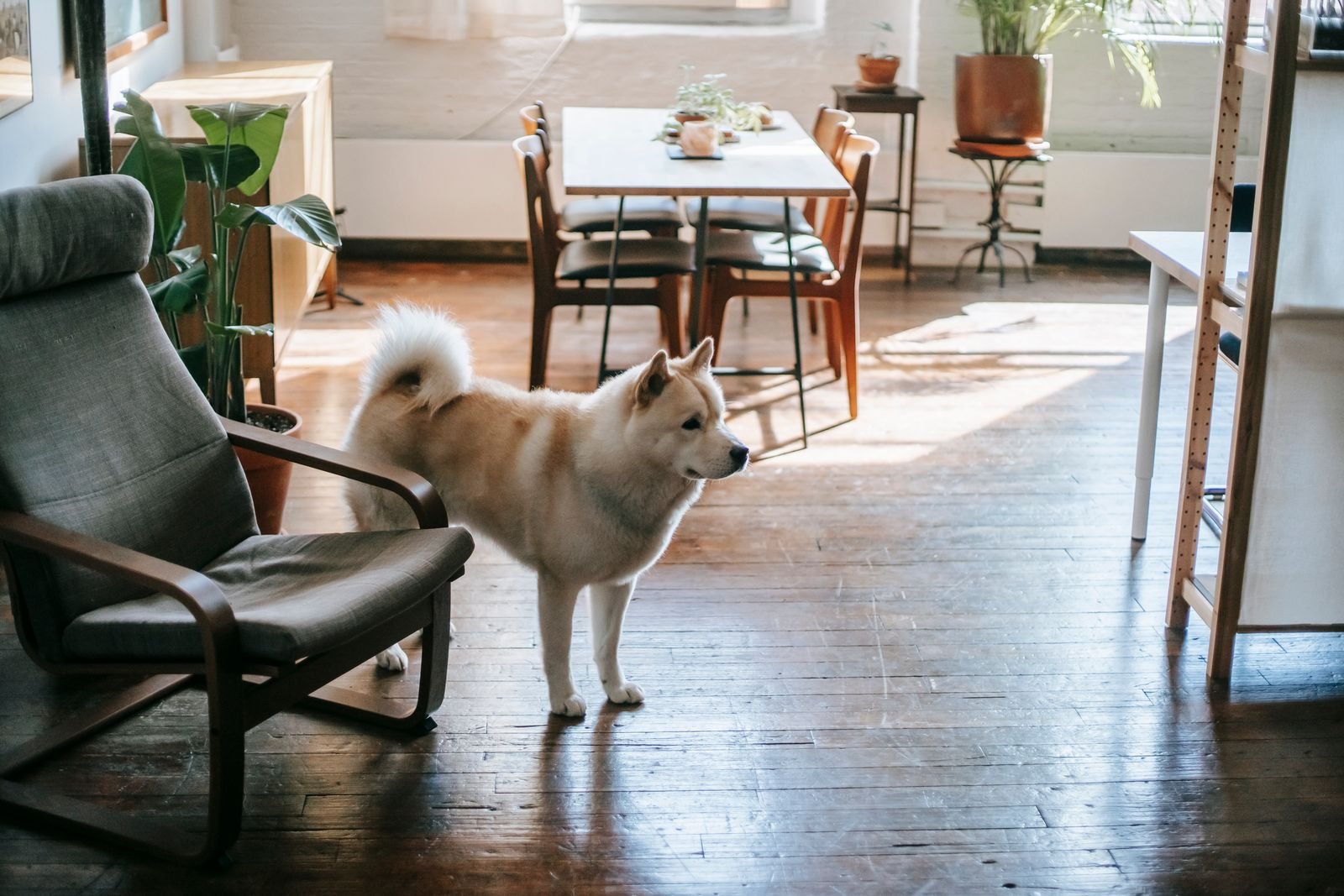
The practical rules follow from that. Wipe spills immediately, never leave standing water, never wet-mop, and never use a steam mop. Our cleaning guide covers the routine in detail: our guide to cleaning bamboo flooring without ruining it explains the barely-damp microfiber method, the pH-neutral cleaner, and why steam mopping voids the warranty. Kitchens are a conditional yes, covered in the room-by-room section below. Full bathrooms, laundry rooms, and basements with any damp history are a no.
How long does bamboo flooring last?
It depends on the type, and the sources disagree enough that the honest answer is a range, not a number. Angi gives 10 to 30 years for bamboo overall. HomeGuide gives 20 to 25 years. EngineerFix gives 20 to 30 years. Manufacturer pages give 25 to 50 years for their own strand-woven products, usually tied to a lifetime warranty. Low-quality bamboo can last as little as 5 to 10 years, according to HomeGuide.
The type split explains most of the disagreement. Strand-woven bamboo, kept dry and maintained, is the long-life type, and 25 to 50 years is plausible for a good one. Horizontal and vertical bamboo last about 10 to 25 years. Engineered bamboo lasts about 15 to 30 years, limited by its thin veneer. A floor’s real lifespan is set by three things the buyer controls: the type chosen, the quality of the planks (harvest age 5 to 7 years, 14 millimetres minimum thickness, and a 20 to 25 year warranty are HomeGuide’s quality checklist), and the maintenance routine. A strand-woven floor in a dry living room with felt pads and a no-shoes rule will outlast a carbonized horizontal floor in a busy kitchen with two dogs by a decade or more, and both are “bamboo flooring”.
Two things shorten a bamboo floor’s life faster than anything else. The first is grit: sand and dirt ground under shoes act like sandpaper on the finish, so sweeping or vacuuming daily matters more than any polish. The second is humidity swings: bamboo expands and contracts with the seasons, and a home that runs at 20 percent humidity in winter and 70 percent in summer will stress the joints year after year. Keep indoor humidity in the range below, and the floor lasts far longer.
Is bamboo flooring good for pets?
For dogs, the answer is: strand-woven yes, other types mostly no. That is the short version. The long version is that owner reports on dogs and bamboo flooring directly contradict each other, and the contradiction is worth reporting honestly because it shows how much the type matters.
On one side, an Ask MetaFilter user wrote in 2007: “DON’T DO IT! I don’t mean to yell, but the stuff is absolutely terrible if you have dogs. I have two dogs, not even that big (one 20lb one 40lb-ish) and both mellow hounds, and our floor is completely and totally ruined with scratches. The scratches are so deep they pick up and hold every bit of dirt.” A DoItYourself user reported two Siberian Huskies scratching a floor “pretty badly” within two and a half years. A finishing.com user said two beagles left “more scratches than not” in parts of the floor and that replacement of the whole house was on the table.
On the other side, a Hometalk user reported a client with 7,000 square feet of bamboo, a 100 lb Labrador and a 160 lb Great Pyrenees, “both with nails of steel”, and “after several years not one scratch or dent”. Another Hometalk user summed up the pattern: “it is the type of Bamboo that makes the difference. I did not do my homework and now have scratches and dents on my floor. The toenails of my dogs did not have an effect. But other things like recliners and/or tables being moved around will put scratches on a regular Bamboo floor. Strand is much hardier.” That is the reconciliation the evidence supports: the ruined floors were almost certainly horizontal, vertical, or carbonized bamboo, and the surviving floors were strand-woven. The threads rarely name the exact product, so the draft cannot prove it case by case, but the pattern is consistent across every thread read.
Cats are a smaller risk. Cat claws are lighter and cats do not run across floors the way dogs do, but a cat’s claws can still scratch a soft finish, and the same type rule applies. For any pet household, the practical rules are: buy strand-woven, keep nails trimmed, put rugs on the main traffic paths, use felt pads under furniture, and accept that even strand-woven will show some wear over the years. If you already have a carbonized horizontal floor and a large dog, rugs and nail trimming are damage control, not a fix.
Can bamboo flooring be refinished?
Sometimes, depending on the type, and this is another place where a flat yes or no is wrong. Solid horizontal, vertical, and strand-woven bamboo can generally be sanded and refinished, like hardwood. Engineered bamboo usually cannot, because the veneer is only 1 to 3 millimetres thick and sanding goes straight through it. Rigid-core bamboo is never refinished.
How many times is disputed. Opple House gives 1 to 2 times for solid bamboo. HomeGuide gives 2 to 4 times. The manufacturer hh-bamboo gives 2 to 3 times. Homawei gives 1 to 3 times. The honest range is 1 to 4 times for solid bamboo, with strand-woven at the harder end of the job: it is 2 to 3 times harder than red oak to sand, so it needs professional equipment, and manufacturers warn that results are not guaranteed. One forum user reported hearing that bamboo “tends to shred” when refinished, and another noted that a lacquer top coat means it cannot be re-sanded the way oak can. A screen-and-recoat, which adds clear finish over the existing colour without sanding to bare bamboo, is possible more often than a full sand, but it does not change the colour and it does not fix deep scratches.
Engineered bamboo with a wear layer of 2 millimetres or more can sometimes be refinished up to 2 times, according to Ambient, but most engineered bamboo sold in stores has a thinner veneer and gets buff-and-recoat only. Floating click-lock floors need a professional assessment before any sanding, because sanding vibration can separate the joints. Before buying, ask the seller in writing how many times that exact product can be refinished. If they cannot answer, that is itself an answer.
How much does bamboo flooring cost?
Materials run about $2 to $8 per square foot depending on type, according to HomeGuide and The Spruce. Angi gives a wider range, $2 to $20 per square foot, which reflects premium strand-woven and wide-plank products. Installed cost is where the honest picture sits: HomeGuide puts installed bamboo at $5 to $15 per square foot, and its cost page and other sources give $7 to $17 or $7 to $19 per square foot. Angi’s 2026 data puts bamboo installed at $7 to $20 per square foot, with an average project cost of about $3,400 for installation. Labour runs about $4 per square foot, according to The Spruce.
| Type | Materials per sq ft | Installed per sq ft |
|---|---|---|
| Horizontal or vertical | $2-5 | $5-12 |
| Strand-woven | $4-8 | $8-17 |
| Engineered | $2-5 | $5-12 |
| Rigid-core (SPC) | $3-6 | $6-14 |
Two things explain why sources differ. First, they mix types: a page quoting $2 per square foot is talking about thin engineered bamboo, and a page quoting $20 is talking about premium strand-woven. Second, installed cost depends on the subfloor, the installation method, and the region. Nail-down and glue-down cost more in labour than floating click-lock, and an uneven subfloor adds preparation cost. The table above splits materials from installed cost by type, which is the comparison that actually helps a buyer. Order 10 percent extra, as the guides recommend: click-lock joints sometimes do not seat properly, factory-broken planks turn up in sealed boxes, and matching a batch later is unreliable.
Against hardwood, bamboo is cheaper at the same quality level but not cheaper in every comparison. Angi puts hardwood installed at $6 to $25 per square foot, so the ranges overlap heavily. A budget bamboo floor is cheaper than a budget hardwood floor. A premium strand-woven floor costs about the same as a mid-range engineered hardwood. The “cheaper than hardwood” claim is true with the type and the comparison stated, and misleading without them.
Is bamboo flooring safe for indoor air?
The bamboo itself is not the issue. Bamboo has very little naturally occurring formaldehyde. The adhesives are the issue, and they vary by product, which is why this section is about buying, not about bamboo as a plant.
Most engineered bamboo uses urea-formaldehyde adhesive, which can release formaldehyde gas into indoor air. Most strand-woven bamboo uses phenolic formaldehyde, which has a better reputation for low emissions. Some brands use soy-based resin, and no-added-urea-formaldehyde (NAUF) products exist. The amount released depends on the adhesive, the amount used, and the curing, so two floors that look identical can emit very different amounts. That is why the certificate matters more than the word “bamboo” on the box.
Three certifications are the ones to ask for. CARB Phase II, the California Air Resources Board standard, now enforced nationally under TSCA Title VI, sets a formaldehyde limit of 0.05 parts per million for hardwood plywood and similar products. FloorScore certifies low VOC emissions for hard-surface flooring. GreenGuard Gold certifies low chemical emissions for indoor spaces, with a formaldehyde limit of 9 micrograms per cubic metre. Ask the seller for the certificate for the exact product, not for the brand in general. FloorScore and CARB Phase II are emissions certifications. FSC is a sourcing certification: it says the bamboo was harvested responsibly, and it says nothing about formaldehyde. That distinction matters, because several guides and sellers present FSC as if it were a low-emissions certificate, and it is not.
For people with chemical sensitivity or allergies, the practical steps are: choose a FloorScore or GreenGuard Gold certified product, prefer NAUF or phenolic-formaldehyde adhesives over urea-formaldehyde, let the floor acclimatise and air out before installation if possible, and ventilate well for the first days after installation. Off-gassing is strongest when the floor is new and falls with time. If you react to fragrances or chemicals generally, read our note on bamboo allergy as well: a true bamboo allergy is rare, but sensitivity to the adhesives and finishes in a bamboo product is a real and separate question.
Bamboo flooring vs hardwood: which should you buy?
Hardwood wins on lifespan, refinishing, and resale. Bamboo wins on renewability and, at the same quality level, on price. Everything else depends on the type.
On lifespan, hardwood lasts 30 to 100 or more years, and can be refinished many times. Bamboo lasts about 10 to 50 years depending on type, and can be refinished 1 to 4 times at most, if at all. On resale, HomeGuide and Angi both note that bamboo adds less value than oak or maple, and one realtor quoted in a 2007 forum thread called bamboo “so over”, which dates the comment but captures a real buyer prejudice: some buyers see bamboo as a budget substitute, not a premium floor. On hardness, strand-woven bamboo beats oak clearly, while horizontal and vertical bamboo are about equal to oak and carbonized bamboo is softer.
On sustainability, bamboo wins on growth speed and regrowth, but the win is smaller than the marketing suggests once adhesives, resin, and shipping from China and Southeast Asia are counted. Hardwood from a certified local forest, with no adhesive at all, can be the lower-impact choice in some comparisons. On looks, the two are different rather than better or worse: bamboo is lighter, cleaner, and more modern; hardwood has deeper grain variation and a wider range of species and stains.
Buy hardwood if you want the longest-lived floor, the most refinishes, and the strongest resale. Buy strand-woven bamboo if you want a hard, renewable, modern-looking floor at a lower price than comparable hardwood, and you are willing to manage humidity and keep water off it. Buy neither if you need a floor for a wet room: that is a job for tile or rigid-core vinyl, not for any wood or bamboo.
Which rooms suit bamboo flooring?
Bamboo is a room-by-room decision, not a whole-house decision. The same floor that performs well in a living room can fail in a bathroom, and the type matters in every room.
| Room | Verdict | Notes |
|---|---|---|
| Living room, bedroom, hallway | Yes, best rooms | Strand-woven preferred. Rugs on traffic paths, felt pads, no-shoes rule helps. |
| Kitchen | Yes, with conditions | Strand-woven only. Wipe spills at once, mat at the sink, never a wet mop. |
| Half bathroom | Maybe | Strand-woven only, good ventilation, no shower steam. Many installers say no. |
| Full bathroom | No | Steam and standing water will damage it. Use tile. |
| Basement | No | Damp risk and humidity swings. Rigid-core is the only bamboo-look option here. |
| Laundry room | No | Leak risk from machines. Use tile or vinyl. |
| Over radiant heat | Often yes | Engineered bamboo usually compatible. Keep floor surface below 80F (27C). |
Humidity is the number to manage in every room. Sources disagree on the exact range: HomeGuide and FlooringClarity give 30 to 50 percent relative humidity, while EngineerFix, Ambient, and hh-bamboo give 40 to 60 percent. The practical target that satisfies both is 40 to 50 percent, held steady through the seasons with a humidifier in dry winters and ventilation or dehumidification in humid summers. Sudden swings matter more than the exact number: a floor that lives at 45 percent all year will outperform a floor that swings between 30 and 60 percent. Acclimatise the planks in the room for at least 72 hours before installation, according to HomeGuide, and longer in extreme climates. Some guides recommend 10 to 14 days.
Is bamboo flooring worth it?
Yes, if you buy strand-woven, from a certified manufacturer, for the right rooms, and you go in knowing it is not waterproof and not maintenance-free. No, if you buy the cheapest carbonized horizontal planks for a kitchen with two large dogs and expect them to behave like oak. The difference between those two outcomes is not luck. It is the type, the certification, and the room, and all three are decided before the first plank is laid.
The buying checklist is short. Buy strand-woven for busy homes and pets. Check the Janka figure for the exact product, not for bamboo in general. Ask for FloorScore or GreenGuard Gold certification and CARB Phase II compliance in writing. Check the harvest age (5 to 7 years), the thickness (14 millimetres minimum for solid), and the warranty (20 to 25 years). Avoid carbonized bamboo where dents matter. Keep it out of full bathrooms, basements, and laundry rooms. Order 10 percent extra. And keep the humidity steady: a $50 hygrometer and a humidifier will do more for a bamboo floor than any polish.
What real users found
We did not test bamboo flooring ourselves. What follows is what real owners reported on forums and in retailer reviews, with the source named for each finding. The pattern is consistent: the type, the fitting, and the batch matter more than the brand name on the box.
Strand-woven holds up for years. One owner on Mumsnet reported bamboo flooring in much of their house, 15 years in, still hard wearing, bought in a high usage grade. Another owner on Hardwood Flooring Talk installed 2,200 square feet of Golden Arowana bamboo in two homes, in Arizona and Montana, and a year later reported only minor surface scratching from two small dogs, with no separation, no delamination, and no squeaking. Mumsnet thread on bamboo flooring, Hardwood Flooring Talk, Golden Arowana install
Fitting quality decides the outcome. One owner on Mumsnet had bamboo throughout the downstairs of their house, including the bathroom, fitted by someone not used to working with bamboo. The floor had lifting issues and scratches where chairs scraped across it. They said it looks good but they probably would not choose it again. A good floor badly fitted is a bad floor. Mumsnet thread on bamboo flooring
Scratching is the most common complaint, and it is type-specific. Reviewers of the Home Decorators Collection Strand Woven Sahara on Home Depot reported scratches everywhere less than a month after install, and one owner said after 7 years the floor had started to break down, scratch, chip, and shift, and they had already replaced boards. A Mumsnet owner reported heel damage as the most prominent problem on a long-installed floor, even though the household were slim, light people who rarely wore heels. Home Depot reviews, Strand Woven Sahara, Mumsnet thread on bamboo flooring
Moisture and gaps appear over years. One Home Depot reviewer, a very experienced floor installer, reported that after 3 years their bamboo floors were curling up at the ends and separating along the sides, with some boards randomly shrinking and leaving gaps, and they expected to tear out all 3,000 square feet. Another reviewer reported the floor buckling about six months after install, with the company declining to honour the lifetime warranty. Home Depot reviews, Strand Woven Sahara
The brand and the batch matter. One Home Depot reviewer said the older Home Legend Harvest Bamboo had aged well with a very hard finish, but the replacement Home Decorators product was softer, with a thinner finish that scratches easily, and even a piece of pine scratched it. Another reviewer found boards bought in different years were 3 to 4 shades different in colour and did not click together with the original floor. Buy all of one batch, from one year, and check the planks before the fitter starts. Home Depot reviews, Strand Woven Harvest Bamboo
Frequently asked questions
Is bamboo flooring waterproof?
No. A sealed finish resists a quick spill that you wipe up at once, but bamboo flooring is not waterproof. Standing water, leaks, and steam cause swelling, cupping, and warping. Only rigid-core bamboo, a vinyl plank with a bamboo veneer and a waterproof core, is near-waterproof, and even its seams can pass water to the subfloor.
How long does bamboo flooring last?
About 10 to 50 years depending on type and quality. Strand-woven bamboo lasts longest, about 25 to 50 years with good care. Horizontal and vertical bamboo last about 10 to 25 years, and engineered bamboo about 15 to 30 years. Low-quality bamboo can last as little as 5 to 10 years. Harvest age, finish quality, humidity control, and maintenance set where a floor lands in that range.
Is bamboo flooring good for pets?
Strand-woven bamboo is good for pets. Horizontal, vertical, and carbonized bamboo scratch and dent easily under dog claws, and owners report floors ruined within a year. Keep dogs’ nails trimmed, use rugs on traffic paths, and choose strand-woven if you have large dogs. Cats are a smaller risk but the same type rule applies.
Does bamboo flooring increase home value?
A little, but less than hardwood. HomeGuide and Angi both note that bamboo adds modest value, less than oak or maple. Some buyers see it as a budget substitute. A well-installed strand-woven floor in good condition helps a sale; a scratched, faded, or warped bamboo floor hurts one.
Can bamboo flooring be installed over radiant heat?
Often yes, usually engineered bamboo. Check the manufacturer’s instructions for the exact product, and keep the floor surface below 80F (27C). Solid strand-woven over radiant heat needs the manufacturer’s explicit approval, and the heating system must come up to temperature gradually.
Is bamboo flooring really eco-friendly?
Partly. The plant is genuinely renewable: it matures in 5 to 7 years and regrows from the same roots. But strand-woven bamboo uses resin and adhesives, most flooring is shipped from China and Southeast Asia, and some products emit formaldehyde. It is greener than slow-growing hardwood on growth speed, and less green than the marketing suggests once manufacturing and shipping are counted. Certifications (FSC for sourcing, FloorScore for emissions) are the way to check a specific product.
How many times can bamboo flooring be refinished?
Solid bamboo can be refinished about 1 to 4 times, with sources disagreeing: Opple House says 1 to 2 times, HomeGuide says 2 to 4, hh-bamboo says 2 to 3. Strand-woven is harder to sand and needs professional equipment. Engineered bamboo usually cannot be refinished at all because the veneer is only 1 to 3 millimetres thick, unless the wear layer is 2 millimetres or more. Rigid-core bamboo is never refinished.
Does bamboo make good flooring?
Strand-woven bamboo makes good flooring for living rooms, bedrooms, and hallways in homes that keep humidity steady and water off the floor. Horizontal, vertical, and carbonized bamboo make poor flooring for busy homes with pets or children, because they dent and scratch easily. The type, not the word bamboo, decides whether it is good flooring.
What are the downsides of bamboo flooring?
The main downsides are scratching and denting (especially carbonized and non-strand-woven types), moisture sensitivity and warping, fading in sunlight, limited refinishing, formaldehyde in some adhesives, and quality variance with no independent grading system. Most of these are type-specific, which is why the type split at the top of this guide matters more than any single pro or con.
Which is better, LVP or bamboo flooring?
LVP (luxury vinyl plank) wins on water resistance, scratch resistance, and ease of replacement, and it is the safer choice for kitchens, bathrooms, and homes with large dogs. Bamboo wins on natural materials, renewability, and the look of real wood grain. If water and pets are the main worries, LVP is the more forgiving floor. If natural materials and a wood look matter more, strand-woven bamboo is the better buy.