Cutting boards, steamers and plates, tested honestly, with the care steps that keep them working for years.

Bamboo kitchenware is practical, not decorative. Cutting boards, steamers and plates made from bamboo are hard, light and naturally moisture resistant, which is why they survive daily use in a real kitchen. But bamboo has rules: it cracks if it dries out, it warps if it soaks, and it does not belong in the dishwasher. This category covers the pieces worth buying and how to look after them, from choosing a cutting board and seasoning it with the right oil to cleaning a steamer and keeping plates from splitting. Every guide here is written from testing the product itself, with the care steps that actually keep bamboo working for years.
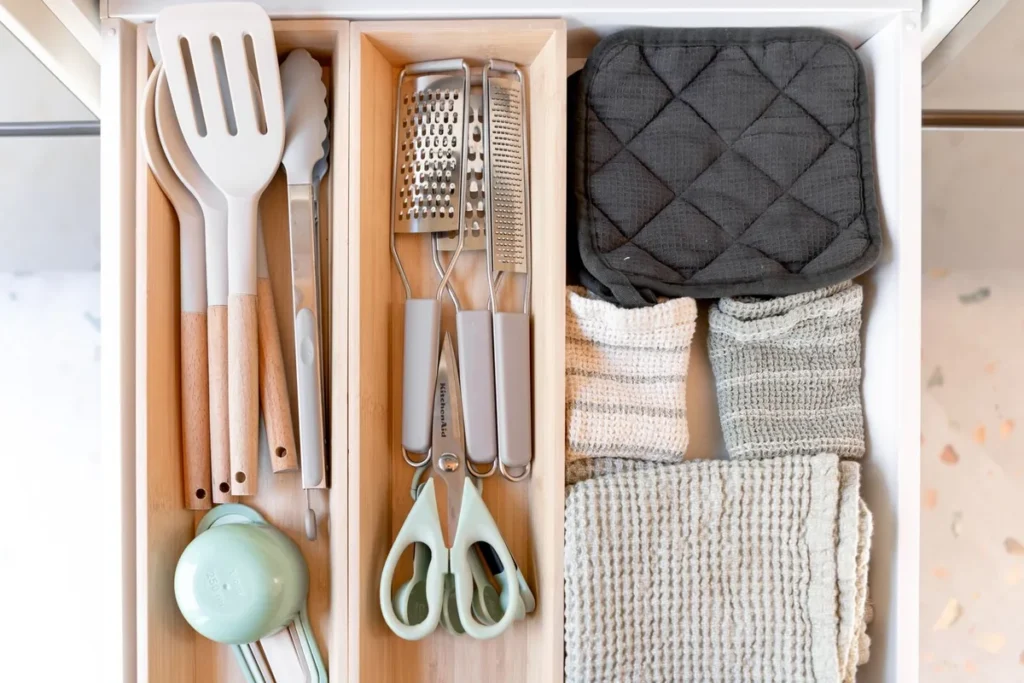
The short answer: Yes, a bamboo drawer organizer is a good buy for a dry kitchen drawer. It is stiff, stays put, wipes clean, and
The short answer: Bamboo shoots are the young, tender shoots of bamboo plants, harvested before they harden into woody stalks.
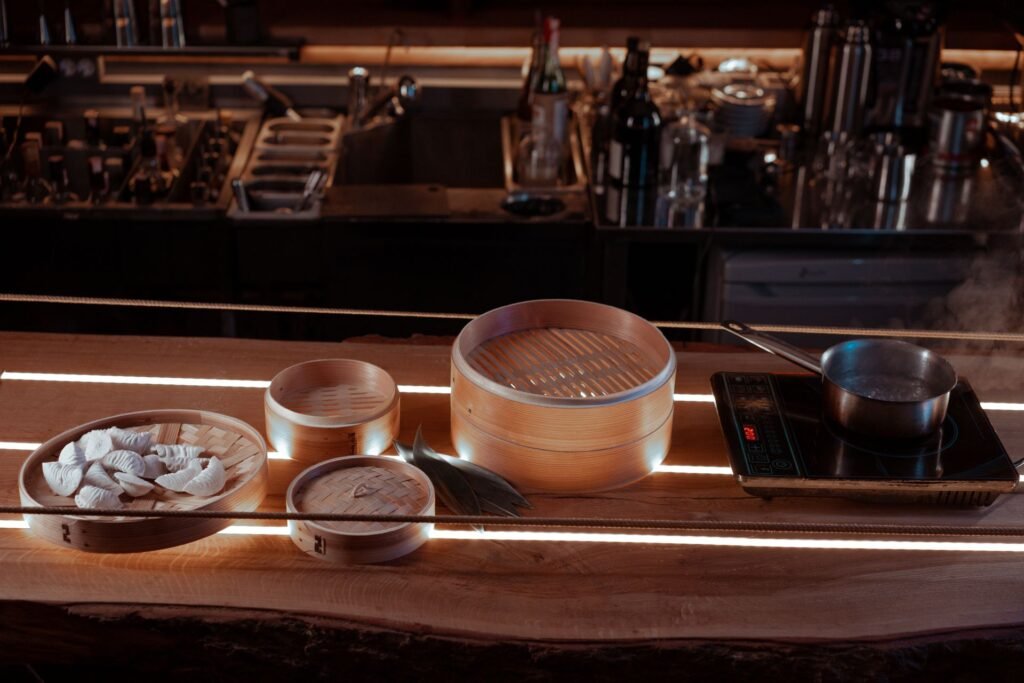
The short answer: Soak a new steamer 20 to 30 minutes, then steam it empty once. Add 1 to 2
Bamboo plates come in two types: solid bamboo (safe, hand-wash only) and bamboo fiber composite (often contains melamine resin, which
Yes. A quality bamboo cutting board from a reputable brand is safe, non-toxic, and sanitary. Bamboo itself is a naturally
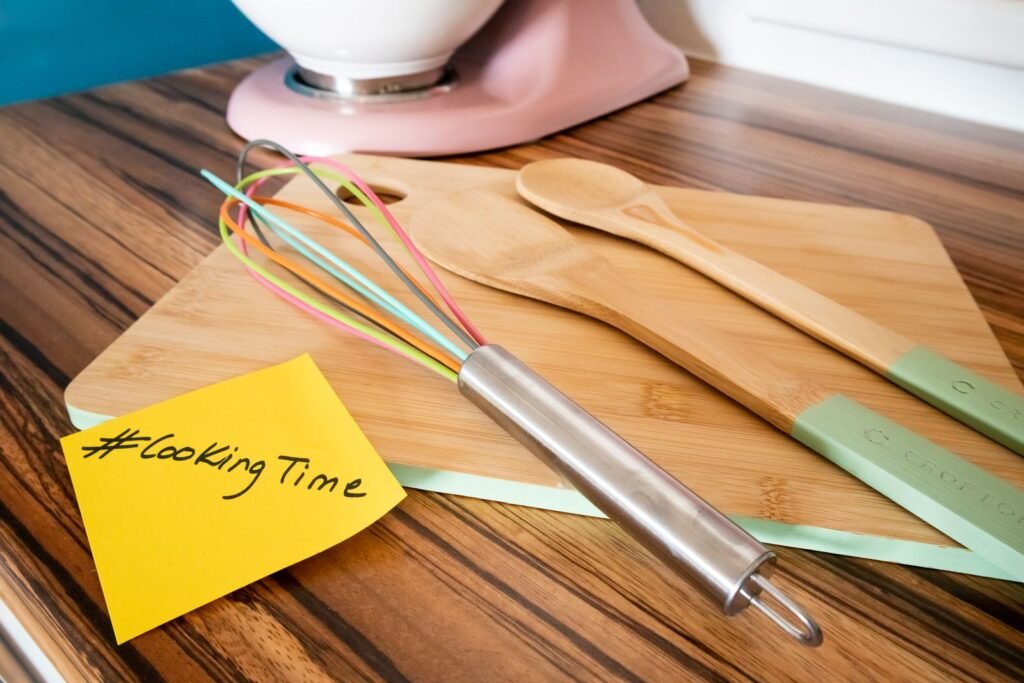
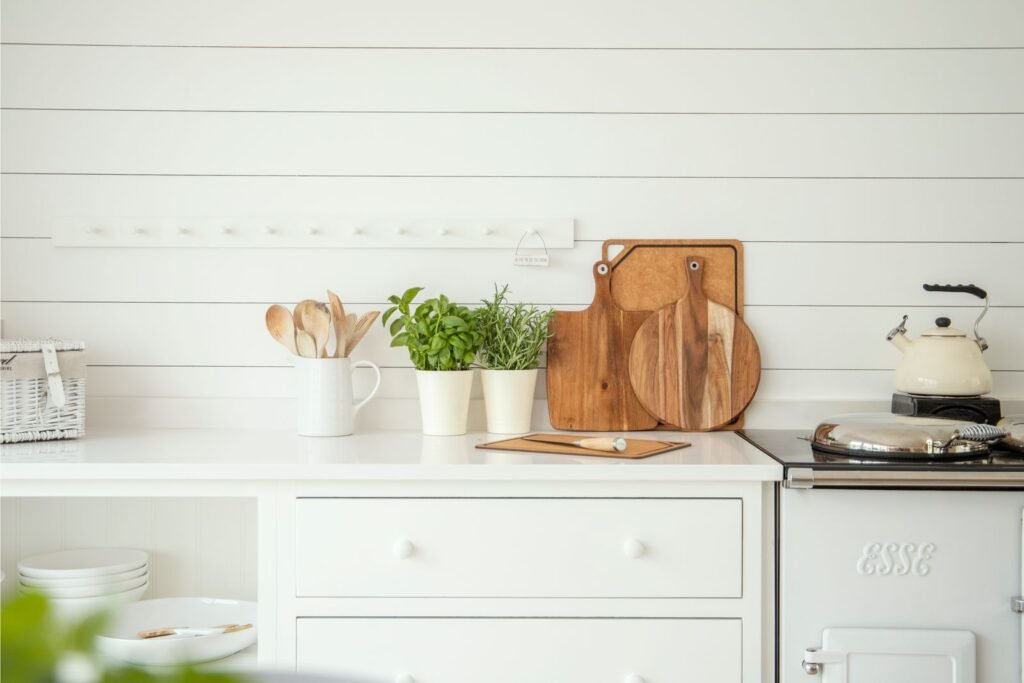
Bamboo cutting boards are a good budget-friendly, eco-friendly option for light daily prep, but they are not the knife-friendly, maintenance-free
Yes, oil your bamboo cutting board. Season a new board with three coats of food-grade mineral oil over three days,
Yes, bamboo cutting boards dull knives faster than hardwood because bamboo contains silica, a mineral harder than knife steel. The
Clean a bamboo cutting board in 45 seconds after every use: rinse, wash with a soft sponge and mild soap,
No single material wins for everyone. Bamboo is affordable, light, and fast-regenerating, but its silica content dulls knives faster than