

Bamboo plates come in two types: solid bamboo (safe, hand-wash only) and bamboo fiber composite (often contains melamine resin, which can leach into hot food). Neither type is microwave or dishwasher safe. Solid bamboo plates are the safer pick for everyday serving, while certified compostable bamboo plates are best for parties. Always check the label before buying.
Bamboo plates are having a moment. They look beautiful on the table, they feel better than plastic, and they promise an exit from the mountain of disposable dinnerware the world throws away every year.
But walk into any store and you will find two completely different products sharing one name. One is genuinely natural. The other is mostly plastic with bamboo branding. This guide covers both, shows you how to tell them apart, answers the safety questions everyone asks, and keeps our 2026 best picks.
What Are Bamboo Plates? The Two Types You Must Tell Apart
This is the single most important section of this guide. Everything about safety, care, and value flows from it.
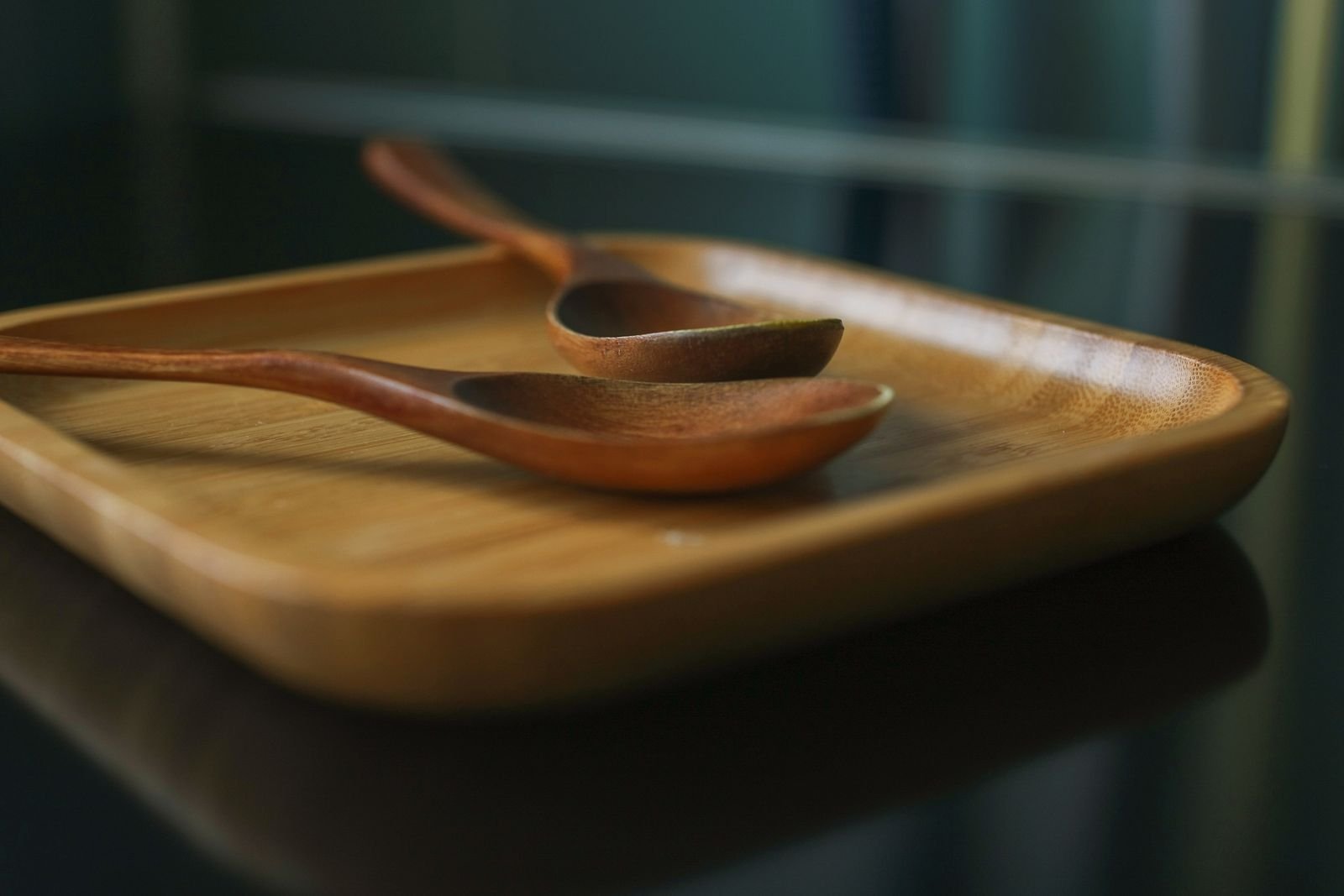
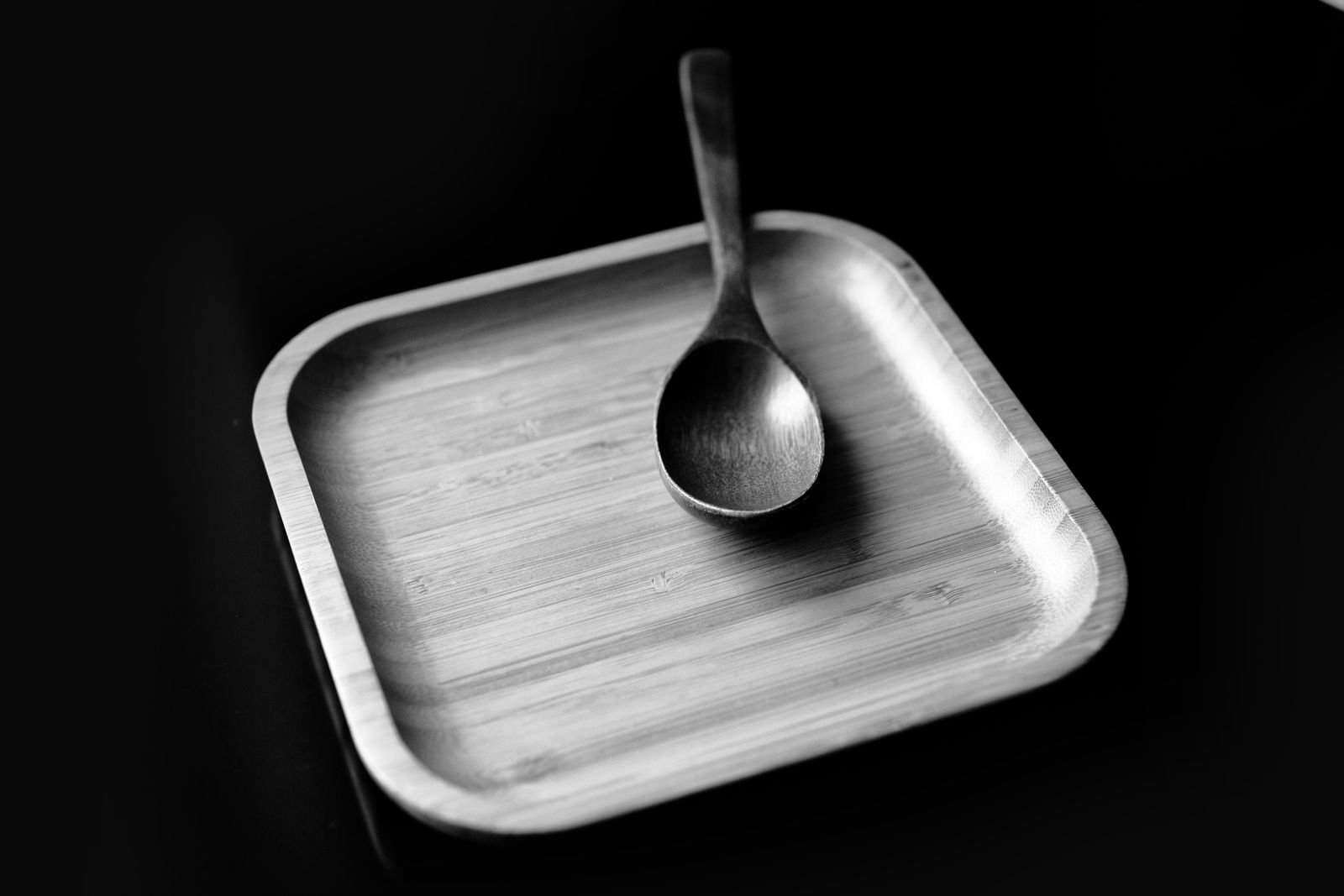
Type 1: Solid (pure) bamboo plates. Cut or pressed from real bamboo stalks, finished with natural oil or food-safe lacquer. No synthetic resin binders. These are the genuinely natural option: no melamine, no formaldehyde, no plastic. They are best for serving at normal temperatures and must be hand-washed.
Type 2: Bamboo fiber composite plates. Made from ground bamboo powder held together with a binding resin. That resin is almost always melamine-formaldehyde. These dominate store shelves, especially in the kids’ tableware aisle, because they are colorful, smooth, and cheap to mold. They look eco-friendly. Chemically, they are mostly plastic with bamboo filler.
How to tell at a glance: solid bamboo shows wood grain and feels like wood. Composite is glossy, comes in bright colors, and feels like melamine dinnerware, because that is largely what it is.
Are Bamboo Plates Safe? The Melamine Problem Nobody Mentions
For solid bamboo plates, yes. For bamboo fiber composites, the honest answer is: it depends on how you use them, and the risks are real.
A 2025 analysis cited by SafeKitchn found melamine in 20 of 21 samples labeled as bamboo. In July 2024, the UK Food Standards Agency advised consumers to stop using bamboo-composite tableware. The concern is chemical migration: melamine-formaldehyde resin is stable at room temperature but begins breaking down above 70°C (158°F), and heat, acidity, and repeated dishwasher cycles all accelerate the release of melamine and formaldehyde into food.
The study behind that number comes from researchers at the University of Chemistry and Technology Prague, published in the journal Food Control in 2025. They tested 33 bamboo and bio-based dishes bought from British, Chinese, and Czech shops, and six products exceeded the European Union migration limit of 2.5 mg/kg. A separate 2024 study in the journal Foods found that melamine migration from bamboo composite tableware was more than twice as high as from standard melamine plates.
This matters most for children, because kids’ plates are where bamboo composites are most common, and because small bodies are more affected by the same exposure. Chronic high melamine exposure has been linked to kidney damage.
The practical rules:
- Solid bamboo: safe for serving cold, warm, and room-temperature food. Not for the microwave, not for boiling-hot servings straight from the stove.
- Bamboo fiber composite: fine for cold snacks and room-temperature food. Never microwave. Never serve steaming-hot or highly acidic food (tomato sauce, citrus, vinegar dressings) in them. Hand-wash to slow resin breakdown.
- If a label does not say what the binder is, assume melamine and treat it as composite.
For the full safety picture on bamboo in the kitchen, read our cutting board safety guide.
Can You Microwave Bamboo Plates?
No. Neither type. Ask any bamboo plate owner and this question comes up first, and the answer leaves no room for doubt.
Solid bamboo contains natural moisture in its cellular structure. Microwave heat drives that moisture out unevenly, which causes cracking and warping. In rare cases with very dry, thin plates, overheating can even scorch the material.
Composite bamboo plates are worse in the microwave. The melamine-formaldehyde resin breaks down under microwave heat, and the US Food and Drug Administration warns against heating melamine-based products because internal temperatures easily exceed the 70°C threshold where chemical migration escalates. Reheating tomato sauce or oily leftovers in a bamboo fiber plate is the highest-risk combination: heat plus acid plus fat.
The safe routine: reheat in glass or ceramic, then transfer to the bamboo plate for serving. It adds ten seconds and removes the entire risk.
Are Bamboo Plates Dishwasher Safe?
Solid bamboo plates: no. Dishwasher heat, prolonged moisture, and harsh detergents degrade natural bamboo fibers fast. You will get warping, cracking, and a rough surface within weeks.
Composite bamboo plates: some are labeled dishwasher-safe, but the label is optimistic. Repeated hot cycles accelerate resin breakdown, which means a plate that tested safe at purchase may leach more after months of dishwasher use. Hand-washing keeps both types alive far longer.
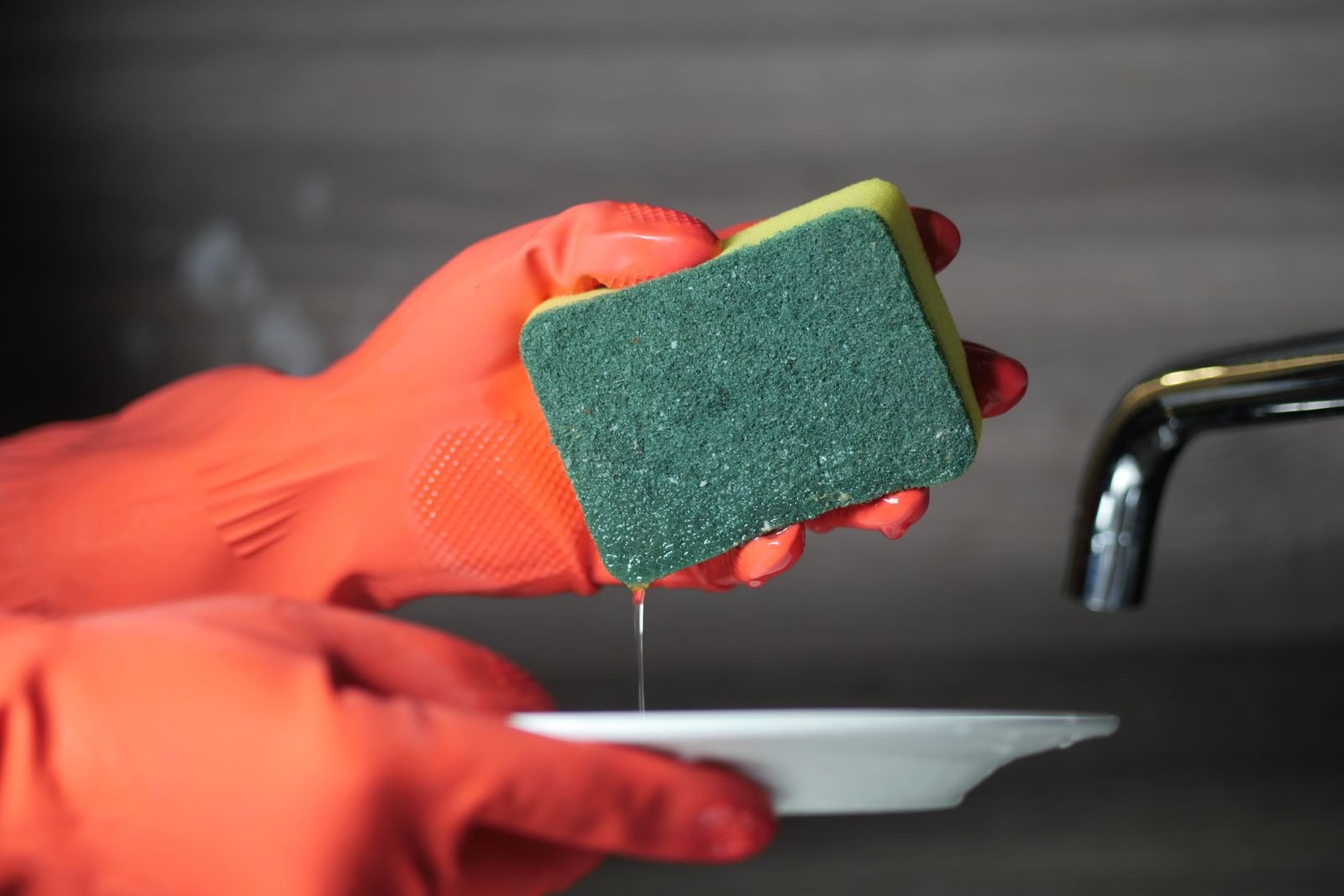
Hand-wash routine that works: warm water, mild soap, soft sponge, wash soon after eating, dry upright immediately. Never soak bamboo plates. For a deeper clean on solid bamboo, a paste of baking soda and water lifts stains without abrasives. Our full routine for bamboo kitchenware is in how to clean bamboo cutting boards, and the same principles apply to plates.
Bamboo Plates vs Paper Plates: Which Is Better?
For single-use occasions, bamboo beats paper on almost every measure that matters.
Strength. Bamboo plates are rigid and hold heavy, saucy food without bending. Paper plates sag, and the waxy coatings many carry complicate composting.
Heat handling. Both have limits, but bamboo handles warm food better and does not go limp the way paper does with moisture.
Environmental cost. Paper plates mean tree pulp, and most are used once and landfilled. A bamboo grove reaches cutting size in a few years, grows back from the same roots without replanting, and needs no chemical sprays. Quality bamboo plates break down in 3 to 6 months under proper composting conditions.
Looks. This is not close. Bamboo plates photograph beautifully. Paper plates look like what they are.
The one place paper wins is price per unit at the very cheapest end, and even that gap shrinks when you buy bamboo plates in bulk event packs. For anything where guests will notice, bamboo is the better disposable.
Are Bamboo Plates Compostable? How Long Do They Take to Break Down?
Solid bamboo plates and certified compostable bamboo fiber plates: yes. Under ideal composting conditions (heat, moisture, oxygen, microbes), they break down in roughly 3 to 6 months.
The fine print matters. “Compostable” on a package usually means industrially compostable, not backyard-pile compostable. A home compost heap that never gets hot will take much longer. And bamboo fiber composites containing melamine resin do not fully compost; the resin fraction persists. If composting is your reason for buying, choose plates certified compostable (look for BPI or TUV OK compost marks) and confirm your local facility accepts them.
Landfill is the worst end-of-life for any “eco” plate: without oxygen and microbes, even bamboo barely decomposes. Compost them properly or the green story falls apart.
Bamboo Plate Sets: Best Options for 2026
Our picks below are chosen from product specifications, published safety data, and buyer reviews. We did not test these plates ourselves. What has changed is the safety lens: every pick is now flagged by type so you know exactly what you are buying. Prices shift by retailer, so check current listings.
1. EKOBO Reusable Bamboo Dinner Plates Set
Type: bamboo fiber composite. EKOBO is the design-led pick: matte colors, modern shapes, and a genuinely pleasant hand feel. Treat it as a room-temperature serving plate. Beautiful for salads, sandwiches, and desserts. Not for the microwave, not for steaming-hot food.
2. Bamboozle Bamboo Fiber Plate Set
Type: bamboo fiber composite. Bamboozle’s cheerful colors made it a kids’-table favorite, which is exactly why the safety section above matters most here. Fine for cold snacks and lunch items. Keep hot foods, microwaves, and dishwashers away from it, and supervise the acidic stuff.
3. Bambu Veneerware Compostable Bamboo Plates
Type: pressed solid bamboo veneer, certified compostable. This is the event pick: sturdy single-use plates with real bamboo grain, no resin binders. Ideal for weddings, parties, and catering where you want zero dishwashing and a clean conscience. Compost after use where facilities exist.
4. Nook Theory Bamboo Fiber Dinner Plates
Type: bamboo fiber composite. Minimalist aesthetics, good everyday weight. Same composite rules apply: serving temperatures only, hand wash, no microwave. A solid choice if you love the look and respect the limits.
5. Naturezway 300-Piece Bamboo Compostable Tableware Set
Type: compostable bamboo fiber (bulk event set). The value pick for large gatherings: plates, cutlery, and cups in one box. For a 50-person barbecue, the per-guest cost beats renting dishes once you factor in pickup and return hassle.
Benefits and Uses of Bamboo Plates
Why people switch, honestly assessed:
- Renewable by design. Bamboo shoots up to cutting size in a few short years, grows back from the same roots after harvest, and needs no chemical sprays or added fertilizer.
- Light but strong. Easier to carry in bulk than ceramic, sturdier than paper, and kind to little hands.
- Naturally beautiful. The grain does the decorating. No patterns needed.
- Chemical-free serving (solid bamboo): no BPA, no phthalates, no melamine, because there is no resin at all.
- Versatile across occasions. Everyday serving, kids’ snacks, picnics, weddings, food trucks, and zero-waste events all have a bamboo plate that fits.
Where they do not fit: microwaves, dishwashers, ovens, boiling liquids, and long acidic marinades. Respect those five boundaries and bamboo plates will serve you well for years.
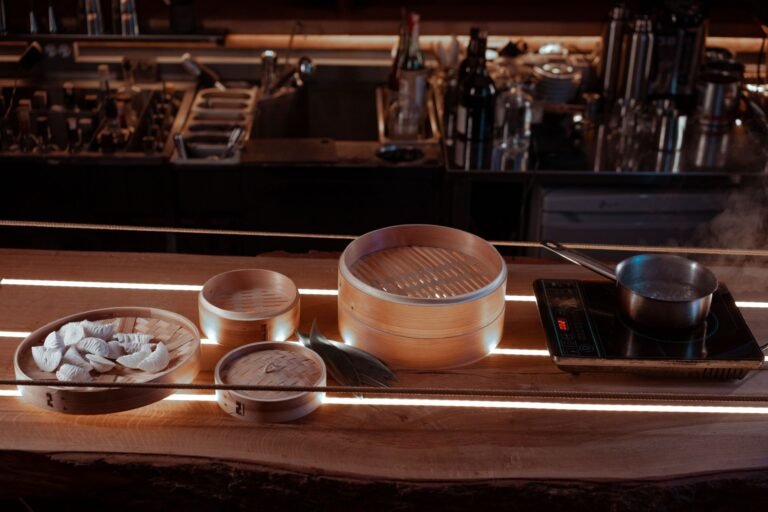
Bamboo plates also sit well next to the rest of the bamboo kitchen. Our guide to using a bamboo steamer covers dumplings and vegetables that go straight from the steamer to these plates.
What real users found
We did not test these plates ourselves. The findings below come from real buyers who used them at home, in reviews on Amazon, WebstaurantStore, Desertcart, Target, and Mother and Baby. Each finding names its source, and every source link is nofollow.
EKOBO plates split buyers into two camps. On Amazon, one reviewer wrote that her set was the best bamboo plate set she had used, that her 1.5 year old son loved them, and that they were super easy to clean with a great smooth texture. Another reviewer reported the opposite: both cups in her set developed large cracks within a few weeks, even though she never put them in the dishwasher and never dropped them. A third reviewer said her set was used daily for a year and still looked brand new. The split points to uneven quality between batches, not to a single verdict. (Amazon reviews for the EKOBO Bamboo Kids Dinner Set, via Desertcart)
Bambu Veneerware holds up at weddings. On WebstaurantStore, where the 9 inch plate holds a 5.0 out of 5 rating across 63 customer reviews, buyers used them for weddings and parties and reported they were lightweight but sturdy, with a natural look that beat palm leaf plates for consistency. One buyer wrote that palm leaf plates felt like Styrofoam and varied in stability from plate to plate, while every bamboo plate looked similar and held up the same. Another bought them for her daughter’s wedding and said they felt sturdy and looked great with white linens and burlap table runners. (Bambu Veneerware 9 inch plate reviews on WebstaurantStore)
Bamboozle kids plates survive daily use when hand washed. A parent of 3 year old twins wrote on Desertcart that she searched extensively for eco-friendly dishes, hand washed them frequently, and after a few weeks they still looked brand new. She added that she did not worry about warm food on them the way she would with melamine plates. Another buyer reported the spoon in her set chipped in less than two weeks, though she liked the plate and bowl. A third buyer dropped a plate on a ceramic tile kitchen floor without so much as a scratch. (Bamboozle Tiny Footprints Construction Plates reviews on Desertcart)
WeeSprout plates earn praise, but two arrived broken. A verified Target buyer in June 2026 wrote that her toddler loved the plates, that the raised lip kept food on the plate while he learned to use utensils, and that the company shipped a replacement set quickly after two of four plates arrived broken. The company had put its direct contact information in the box for damage reports. The buyer recommended both the plates and the company. (WeeSprout Bamboo Plates reviews on Target)
Hand washing is the dividing line. A customer quoted on Mother and Baby said her bamboo baby plates had lasted 2 years and were amazing, but the green set she put in the dishwasher cracked, so she recommended hand washing them to make them last longer. The same pattern shows up in the EKOBO reviews: the buyers who hand washed kept their sets looking new, while the buyers who reported cracks had often used the dishwasher or could not say how the plates were washed. (Bamboo baby plates reviews on Mother and Baby)
Frequently Asked Questions About Bamboo Plates
Are bamboo plates safe for babies and toddlers?
Solid bamboo plates, yes, for serving. Bamboo fiber composite kids’ plates are the ones to scrutinize: most contain melamine resin, which migrates more with heat and acidity. For toddlers, the safest setup is solid bamboo or stainless steel for serving, and never microwave any bamboo plate.
Do bamboo plates contain plastic?
Solid bamboo plates do not. Bamboo fiber composite plates contain melamine-formaldehyde resin, which is a plastic. If “plastic-free” matters to you, buy solid bamboo or certified compostable pressed-bamboo plates, and read the materials line, not the marketing line.
Can bamboo plates go in the oven?
No. Oven heat will scorch, warp, or crack solid bamboo and degrade composite resin. Bamboo plates are serving ware, not cookware.
Do bamboo plates get moldy?
They can if stored damp. Bamboo is an organic material, and trapped moisture grows mold. The fix is simple: dry plates completely before stacking, store in a ventilated spot, and never leave them soaking. Sealed packaging for disposables also helps during humid months.
How long do reusable bamboo plates last?
Solid bamboo plates last years with hand-washing and occasional oiling with food-safe mineral oil. Composite plates last one to three years depending on heat and dishwasher exposure, and should be retired at the first sign of surface degradation, discoloration, or warping.
Are bamboo plates better than stainless steel for kids?
They serve different jobs. Stainless steel is the durability and heat champion: dishwasher safe, nearly indestructible, zero leaching questions. Bamboo wins on weight, warmth, and aesthetics. Many families use both: steel for the rough stuff, bamboo for pleasant serving.
What is the difference between bamboo plates and palm leaf plates?
Palm leaf plates are pressed from fallen areca palm leaves with no binders at all, making them fully compostable and chemical-free. Bamboo plates split into solid (also binder-free) and fiber composite (resin-bound). For strict composting, palm leaf and solid bamboo are the cleanest options.
Conclusion: Make the Switch to Bamboo Plates in 2026
Bamboo plates earn their place in a modern kitchen, with one condition: know which type you are buying. Choose solid bamboo for everyday serving and certified compostable bamboo for events, and you get the beauty, strength, and low footprint without the fine print. Avoid the microwave and the dishwasher, hand-wash with mild soap, and your plates will outlast every paper-plate habit you replaced.
The market will keep blurring the line between “bamboo” and “bamboo-flavored plastic.” Now you can see through it.