
Why Everyone Is Talking About Bamboo Bedding in 2026?
You have probably seen bamboo pillowcases everywhere lately. Your friend swears by them. That skincare blogger you follow recommends them. Even your allergist mentions them now.
But is bamboo bedding actually worth it? Or is it just a trendy thing people buy and forget?
Honestly, we get it. There is so much noise online. So, we decided to cut through all of it. This guide covers everything you need to know about bamboo bedding. We talk about benefits, care, comparisons, and more.
Whether you have sensitive skin, allergies, curly hair, or you just want better sleep, this guide is for you. Think of it as a conversation with a friend who has done all the research already.
Let us get into it.
What Is Bamboo Bedding and What Makes It Different?
So, What Exactly Is Bamboo Fabric?
Bamboo bedding comes from the bamboo plant. But here is the thing — the plant alone does not make the fabric. The fibers go through a process to become the soft sheets you buy.
There are mainly three types you will see on labels:
- Bamboo Viscose (also called Bamboo Rayon) — the most common type. It is silky, soft, and affordable.
- Bamboo Lyocell — made with a cleaner, closed-loop process. It is more eco-friendly than viscose.
- Bamboo Linen — rare and textured. Not as soft, but very breathable.
Most bamboo pillowcases and sheets you find in stores are bamboo viscose. So, when someone says ‘bamboo bedding,’ they usually mean this type.
Is All Bamboo Bedding the Same Quality?
No, and this is important to know before you buy. Not all bamboo fabric is equal.
First, check the GSM (grams per square meter). Higher GSM means thicker, more durable fabric. For pillowcases, 250–350 GSM is a good range.
Next, look at thread count. For bamboo, 300–400 thread count is the sweet spot. Above that does not always mean better quality.
Also, watch out for misleading labels. Some products say ‘bamboo’ but are mostly polyester blended in. Always read the full fabric description before purchasing.
We recommend checking for OEKO-TEX or GOTS certifications on any bamboo product. These certifications confirm the fabric is free from harmful chemicals and meets international safety standards.
Real Benefits of Bamboo Pillowcases — For Your Skin, Hair & Health
Is Bamboo Actually Good for Your Skin?
Yes, and here is why. Bamboo fabric is naturally smooth. It does not snag or tug at your skin while you sleep.
Cotton, especially older pillowcases, can cause friction. That friction can irritate sensitive skin. Over time, it can even contribute to sleep lines and irritation.
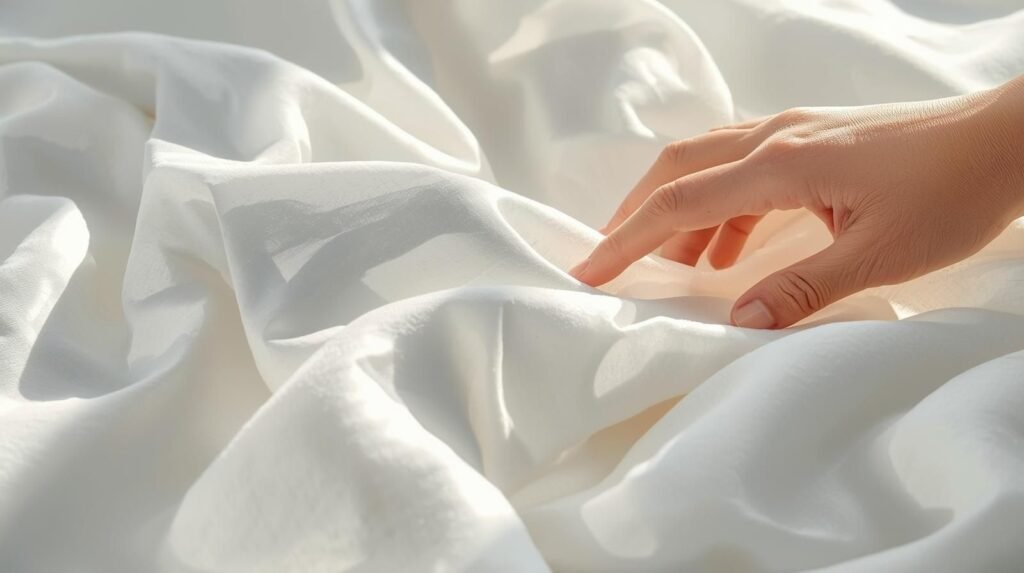
Bamboo, on the other hand, creates a gentler surface. Dermatologists often recommend it for people with eczema, rosacea, or acne-prone skin. The moisture-wicking property also helps. It pulls excess oil and sweat away from your face as you sleep.
→ Related: Bamboo vs. Cotton: Why Your Hair and Skin Need the Switch to Bamboo
Is Bamboo Pillowcase Good for Black Hair and Curly Hair?
This comes up a lot, and for good reason. Textured hair and curly hair need extra care at night.
Cotton pillowcases cause friction. That friction leads to frizz, breakage, and dryness — especially for natural Black hair. Bamboo creates much less friction than cotton.
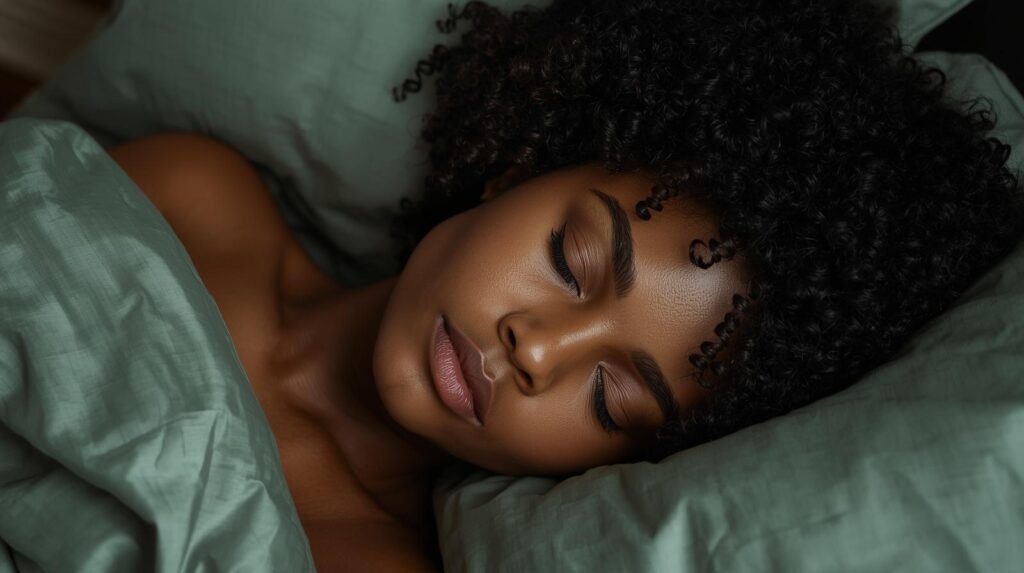
So yes, bamboo pillowcases work really well for Black hair and all curl types. They help retain moisture. They reduce the overnight frizz cycle. Many naturalistas have actually switched from silk to bamboo because it is easier to wash and maintain.
→ Related: Bamboo vs. Cotton: Why Your Hair and Skin Need the Switch to Bamboo
Are Bamboo Pillowcases Hypoallergenic? What About Dust Mites?
Here is the good news. Bamboo fabric has natural antimicrobial properties. This means it resists bacteria and mold growth better than cotton.
Do bamboo pillows attract dust mites? Less so than traditional pillows. Dust mites love warm, moist environments. Bamboo’s moisture-wicking nature makes it a less welcoming home for mites.
However, bamboo is not 100% dust-mite proof. No fabric is. But it does significantly reduce the environment mites thrive. For allergy sufferers, this makes a real difference in nighttime symptoms.
And what about bed bugs? Bed bugs do not care about fabric type. They hide in seams and mattress edges. Bamboo does not repel or attract bed bugs more than other fabrics.
→ Related: Hypoallergenic Secrets: Are Bamboo Pillowcases the Cure for Nighttime Allergies?
How to Wash and Care for Bamboo Bedding the Right Way
The Basic Rules for Washing Bamboo Pillowcases
Bamboo fabric is soft and smooth. But that also means it needs gentle care. Treat it well, and it stays soft for years.
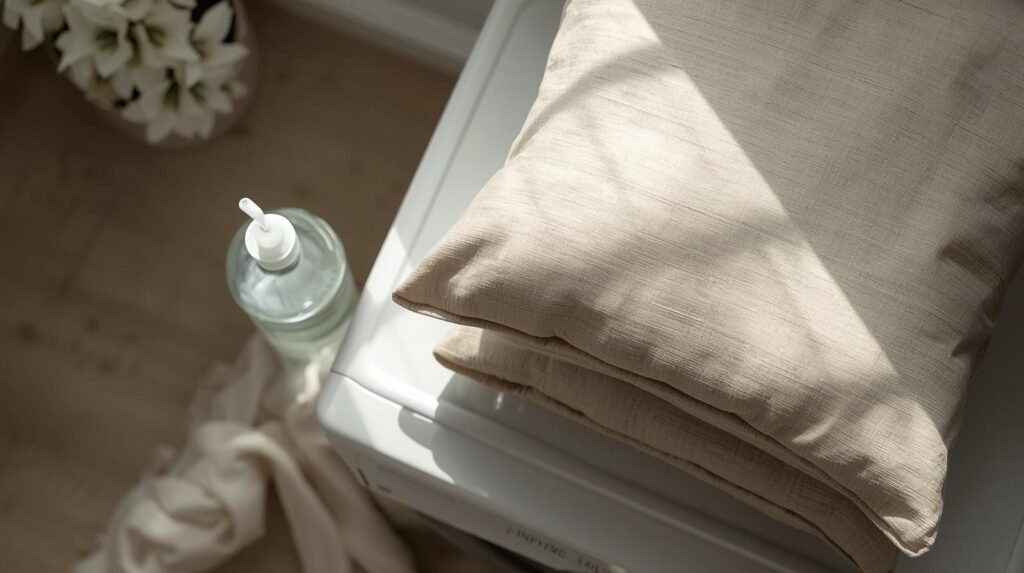
Here are the basics you must follow:
- Always use cold or warm water — never hot. Hot water breaks down bamboo fibers fast.
- Use a gentle, mild detergent. Avoid anything with harsh enzymes or strong fragrances.
- Select the delicate cycle on your washing machine. High spin speeds damage the weave.
- Tumble dry on low heat or air dry flat. High heat is the biggest enemy of bamboo fabric.
Following these steps keeps your pillowcases feeling new much longer. It also prevents pilling, which is a common complaint from people who wash bamboo incorrectly.
→ Related: The Ultimate Guide to Washing Bamboo Pillowcases: Preserve Softness & Prevent Pilling
Can You Bleach Bamboo Bedding?
Short answer: No. Please do not bleach your bamboo pillowcases.
Bleach is extremely harsh on bamboo fibers. It breaks them down quickly. Your pillowcase will become thin, rough, and discolored.
Instead, try oxygen-based whiteners like OxiClean. They are gentler and still effective. White vinegar in the rinse cycle also helps brighten fabric naturally.
For regular maintenance, washing promptly after stains appear is the best strategy. Stains set into bamboo fibers quickly when you leave them too long.
→ Related: How to Safely Remove Stains and Whiten Bamboo Bedding Without Bleach
How Long Do Bamboo Pillowcases Last? What You Should Expect
The Average Lifespan of Bamboo Bedding
A well-cared-for bamboo pillowcase typically lasts 2 to 5 years. That is comparable to high-quality cotton. Some premium bamboo lyocell pillowcases last even longer with proper care.
The lifespan depends on several things:
- How often you wash it — frequent washing with harsh settings shortens life.
- Water temperature used — hot water is the fastest way to degrade bamboo.
- Detergent type — enzyme-heavy detergents slowly damage the fiber structure.
- Storage — storing in damp areas encourages mildew growth on the fabric.
Five Signs Your Bamboo Pillowcase Needs Replacing
Even good things wear out. Watch for these signs:
- Pilling that does not go away after washing — the fiber is breaking down.
- Thinning fabric where your head rests — structural wear is too far gone.
- Permanent stains that washing no longer removes — hygiene concern now.
- Rough or scratchy texture — bamboo should always feel smooth. If it does not, it is past its prime.
- Noticeable odor that persists after washing — bacteria have built up deep in the fibers.
If you notice any of these, it is time to replace them. Your skin, hair, and sleep quality will thank you.
→ Related: How Long Do Bamboo Pillowcases Last? (Plus 5 Signs You Need a Replacement)
Does Bamboo Fabric Smell?
New bamboo bedding sometimes has a faint natural smell. This is normal and goes away after the first wash or two.
However, if your bamboo bedding develops a persistent odor over time, that usually signals bacteria buildup. This happens when you wash at too low a temperature or do not dry it properly.
Always dry bamboo bedding completely before putting it away. Damp storage is the main reason bamboo bedding starts to smell.
Bamboo Bedding Compatibility — What Works With What Pillow?
Can You Use Bamboo Pillowcases on Cooling Pillows?
Yes, absolutely. Bamboo pillowcases actually pair brilliantly with cooling pillows.
Cooling pillows use gel memory foam or phase-change materials to regulate temperature. Bamboo pillowcases add an extra layer of breathability on top of that. Together, they create a seriously cool sleep environment.
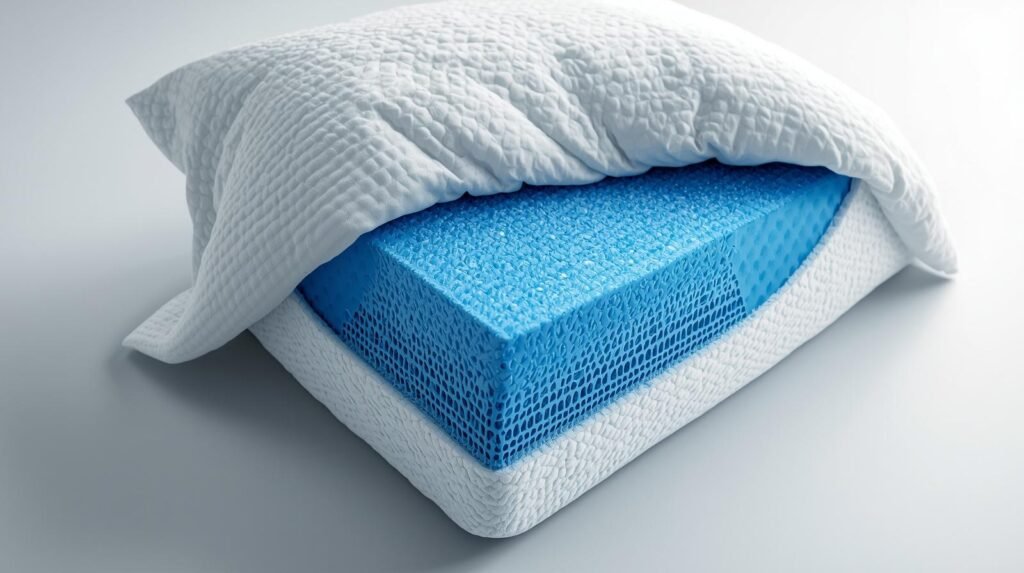
The moisture-wicking property of bamboo also prevents that sweaty feeling you get with synthetic pillowcases on cooling pillows. So the combination works really well.
→ Related: Pillow Compatibility: Can You Use Bamboo Cases on Cooling and 5-Star Hotel Pillows?
Do You Use Pillowcases With Bamboo Pillows?
Yes. Bamboo pillows (the insert) still need a pillowcase on top. The pillowcase protects the pillow from sweat, oils, and dirt. It also makes it easier to keep things clean.
Most bamboo pillow inserts come with a removable cover. But adding a bamboo pillowcase on top extends the life of that inner cover significantly.
What Pillows Do 5-Star Hotels Use — And How Does Bamboo Compare?
Most luxury hotels use Hungarian goose down or down-alternative microfiber pillows. These are incredibly soft and moldable. They feel plush and premium.
Bamboo pillowcases on top of such pillows? That is actually a brilliant combination. The softness of the down pillow, plus the smooth, cool feel of bamboo fabri,c creates a very luxurious sleep experience.
Some forward-thinking boutique hotels have already made the switch to bamboo pillowcases. The eco-friendly story also appeals to their sustainability-minded guests.
→ Related: Pillow Compatibility: Can You Use Bamboo Cases on Cooling and 5-Star Hotel Pillows?
The Honest Truth — What Are the Downsides of Bamboo Bedding?
Is Bamboo Truly Eco-Friendly? The Real Answer
This is where we need to be honest with you. Bamboo, the plant, is very sustainable. It grows fast, needs no pesticides, and regenerates quickly.
But the manufacturing process for bamboo viscose uses harsh chemicals. The process dissolves the bamboo pulp with chemicals like sodium hydroxide and carbon disulfide. These chemicals can harm the environment if factories do not manage waste properly.
Bamboo lyocell is a better option here. It uses a closed-loop process that recycles chemicals and water. If sustainability matters most to you, look for lyocell or certified bamboo products.
Common Complaints About Bamboo Bedding
People who are unhappy with bamboo bedding usually fall into one of these groups:
- They washed it incorrectly — hot water and high heat cause most bamboo complaints about pilling and roughness.
- They bought a low-quality product — cheap bamboo blends (50% bamboo, 50% polyester) do not perform like pure bamboo.
- They expected zero shrinkage — bamboo can shrink slightly in the first wash. Buy one size up if this concerns you.
- They found it less durable than expected — lower GSM bamboo fabric (under 200 GSM) wears out faster.
The key takeaway here: most bamboo complaints trace back to either wrong care or wrong product. Choose well, and care for it properly.
Who Should NOT Buy Bamboo Bedding?
Bamboo is not the best choice for everyone. Consider alternatives if:
- You sleep very cold and need heavy, warm bedding — bamboo is highly breathable, which is great in summer but can feel cool in winter.
- You are on a very tight budget — quality bamboo bedding costs more than basic cotton. The investment pays off, but it is a real consideration.
- You prefer a crisp, structured feel in sheets — bamboo has a silky drape. If you love that stiff, hotel-cotton feel, bamboo may feel too soft for you.
How to Buy Bamboo Bedding — What to Look For Before You Purchase
Bamboo Viscose vs. Bamboo Lyocell — Which One Should You Pick?
For most people, bamboo viscose is a perfectly fine choice. It is softer, more affordable, and widely available. Go for this if budget matters and you want that silky feeling.
Choose bamboo lyocell if environmental impact is important to you. It costs a bit more, but the eco-credentials are genuinely better. The texture is also slightly more matte and durable.
Thread Count and GSM — What Numbers Actually Matter?
Thread count marketing tricks a lot of people. Higher does not always mean better for bamboo.
Here is the practical guide:
- A thread count between 300 and 400 is ideal for bamboo pillowcases.
- GSM between 250 and 350 gives you a balance of softness and durability.
- Anything above 400 thread count in bamboo is often a marketing claim, not a real quality indicator.
Certifications You Can Actually Trust
Do not just take a brand’s word for it. Look for these certifications on any bamboo product you buy:
- OEKO-TEX Standard 100 — confirms no harmful chemicals in the finished fabric.
- GOTS (Global Organic Textile Standard) — covers both the organic farming and the responsible manufacturing process.
- USDA BioPreferred — a US government label for biobased products.
These certifications are not just marketing badges. They require third-party auditing and real compliance.
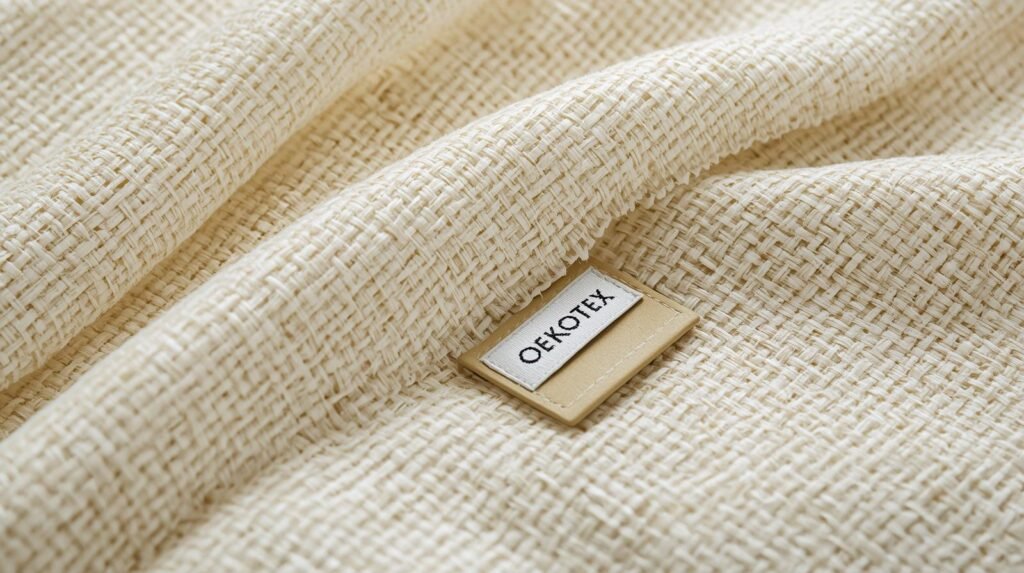
We always advise checking the certification number on the brand’s website or the certifying body’s database. Any legitimate certified product will have a verifiable certificate number you can look up.
What Price Range Is Worth It?
You can find bamboo pillowcases for $10 and for $80. The truth sits in the middle.
Under $20 usually means a bamboo blend with synthetic fabric. The bamboo benefits are minimal. Between $25 and $50 is where you find genuinely solid bamboo pillowcases. Above $50 puts you into premium lyocell or organic certified territory. That is worth it if certifications and sustainability matter to you.
Conclusion: Is Bamboo Bedding Worth It? Here Is Our Honest Take
Yes. For most people, bamboo bedding is genuinely worth it.
It is softer than cotton. It is better for sensitive skin and allergy-prone sleepers. It works brilliantly for curly and textured hair. And when you care for it properly, it lasts for years.
But — and this is important — you need to choose the right product and care for it correctly. The complaints you read about bamboo bedding usually come from people who bought cheap blends or washed them on hot.
Buy a quality product, wash it on cold, dry it on low, and bamboo bedding will genuinely change how you sleep. We are not exaggerating that.
Now, explore the full cluster of guides we have built around bamboo bedding. Each one goes deep on a specific topic, so you get exactly what you need.
Your Complete Bamboo Bedding Reading List
- The Ultimate Guide to Washing Bamboo Pillowcases: Preserve Softness & Prevent Pilling
- How to Safely Remove Stains and Whiten Bamboo Bedding Without Bleach
- Bamboo vs. Cotton: Why Your Hair and Skin Need the Switch to Bamboo
- Hypoallergenic Secrets: Are Bamboo Pillowcases the Cure for Nighttime Allergies?
- How Long Do Bamboo Pillowcases Last? (Plus 5 Signs You Need a Replacement)
- Pillow Compatibility: Can You Use Bamboo Cases on Cooling and 5-Star Hotel Pillows?
Frequently Asked Questions About Bamboo Bedding
Are bamboo pillowcases actually worth the money?
Yes, for most sleepers, they are. The skin and hair benefits are real. The durability is solid when you care for them correctly. For the price difference over cotton, most people find it worthwhile.
Is bamboo or cotton better for pillowcases?
Bamboo wins for softness, breathability, and hypoallergenic properties. Cotton wins for durability under rough washing conditions and a crisp, structured feel. For sensitive skin or hair, bamboo is the better choice.
Can you put bamboo pillowcases in a washing machine?
Yes, but use the delicate cycle. Always use cold or warm water, never hot. Use mild detergent. Avoid fabric softeners — they coat bamboo fibers and reduce their natural benefits over time.
Do bamboo pillows attract dust mites?
Less than regular pillows, yes. Bamboo’s moisture-wicking nature creates a less hospitable environment for dust mites. But no fabric eliminates them entirely. Regular washing and pillow protectors help significantly.
How often should you change bamboo pillowcases?
Wash bamboo pillowcases every 1 to 2 weeks. Replace them entirely every 2 to 5 years, depending on how well you care for them and how often you use them.
What is the lifespan of a bamboo pillow?
A bamboo pillow insert typically lasts 2 to 3 years with regular use. The shredded bamboo fill compresses over time and loses its support. The pillowcase on top can last longer with proper care.
Are bamboo pillowcases good for natural hair?
Very much so. The smooth surface reduces friction, which means less frizz, less breakage, and better moisture retention overnight. Many people with naturally black hair have switched to bamboo specifically for this reason.