

The short answer: Bamboo socks are softer and handle moisture better than cotton, so they feel fresher during long days on your feet. Cotton lasts longer, survives hot washes, and costs less. Neither fibre wins outright. Choose bamboo for office and dress wear, cotton for budget everyday wear, and merino for heavy sweat or hiking.
Socks are the smallest item in your wardrobe and the one your feet notice most. A bad pair announces itself by midday: damp toes, a heel that slips, a toe seam rubbing, a cuff that has given up. So when bamboo socks promise silk-like softness, dry feet, and no smell, it is worth asking whether any of that survives contact with a real washing machine and a real week of wear.
The short version is that bamboo socks are genuinely good at two things, softness and moisture handling, and genuinely weaker at two others, durability and easy care. Cotton is the mirror image: tougher and cheaper, but it holds moisture against your skin and stiffens with washing. Most of the argument online is between people who bought different products and different blends without realising it, and most of the marketing numbers do not survive a check. This guide works through what bamboo socks actually are, where each fibre wins, what the durability complaints really mean, how to wash them so they last, and which pair to buy for which day.
What are bamboo socks actually made of?
Almost every pair of socks sold as bamboo is not made of bamboo fibre. It is made of rayon, also called viscose, with bamboo as the plant the rayon started from. The bamboo is crushed, dissolved in chemicals, and extruded as a new fibre. By the time that fibre reaches your foot, it is chemically rayon, and nothing of the original bamboo plant remains in it. That is not a secret, but it is the single most misunderstood fact in this topic, and it changes how every other claim should be read.
The US Federal Trade Commission says it plainly: unless a product is made directly with bamboo fibre, often called mechanically processed bamboo, it cannot be called bamboo. Products made from rayon with bamboo as the plant source should be labelled rayon, or “rayon made from bamboo”. The same FTC guidance says sellers must have competent and reliable evidence for every claim they make, including claims that rayon fibres keep natural antimicrobial properties from the bamboo plant. The rule exists because the marketing ran far ahead of the material. For the full labelling picture, including how the same viscose question plays out in bedding, see our guide to bamboo viscose vs cotton.
True mechanically processed bamboo fibre does exist, but it is rare, coarse, and expensive, and it is not what is in the socks on a normal shop shelf. What you are buying is rayon from bamboo, usually blended with nylon and elastane for strength and stretch. A typical good pair is 70 to 80 percent bamboo viscose with nylon and elastane, according to VegEco. One hiking sock tested by The Hiking Tribe was roughly 60 percent bamboo viscose, 35 percent nylon, and 5 percent elastane. DeadSoxy lists its dress socks at 70 percent bamboo, 25 percent nylon, and 5 percent spandex. The nylon is doing most of the structural work. The bamboo viscose gives the soft hand feel and some moisture handling. A sock labelled 100 percent bamboo will feel lovely on day one and wear through fast, because there is nothing in it to hold the fibre together under friction.
So the first thing to do before buying is read the label, not the front of the packet. If it says “rayon from bamboo” or “bamboo viscose”, you are getting the processed fibre, and that is normal. If it says “bamboo fibre” with no rayon or viscose anywhere, be sceptical. If it gives no blend percentages at all, you have no way of knowing how much of the sock is bamboo and how much is nylon, and the durability claims on the packet are unverifiable. The label is also where the FTC fines come in, which we cover in the eco section below.
Are bamboo socks better than cotton socks?
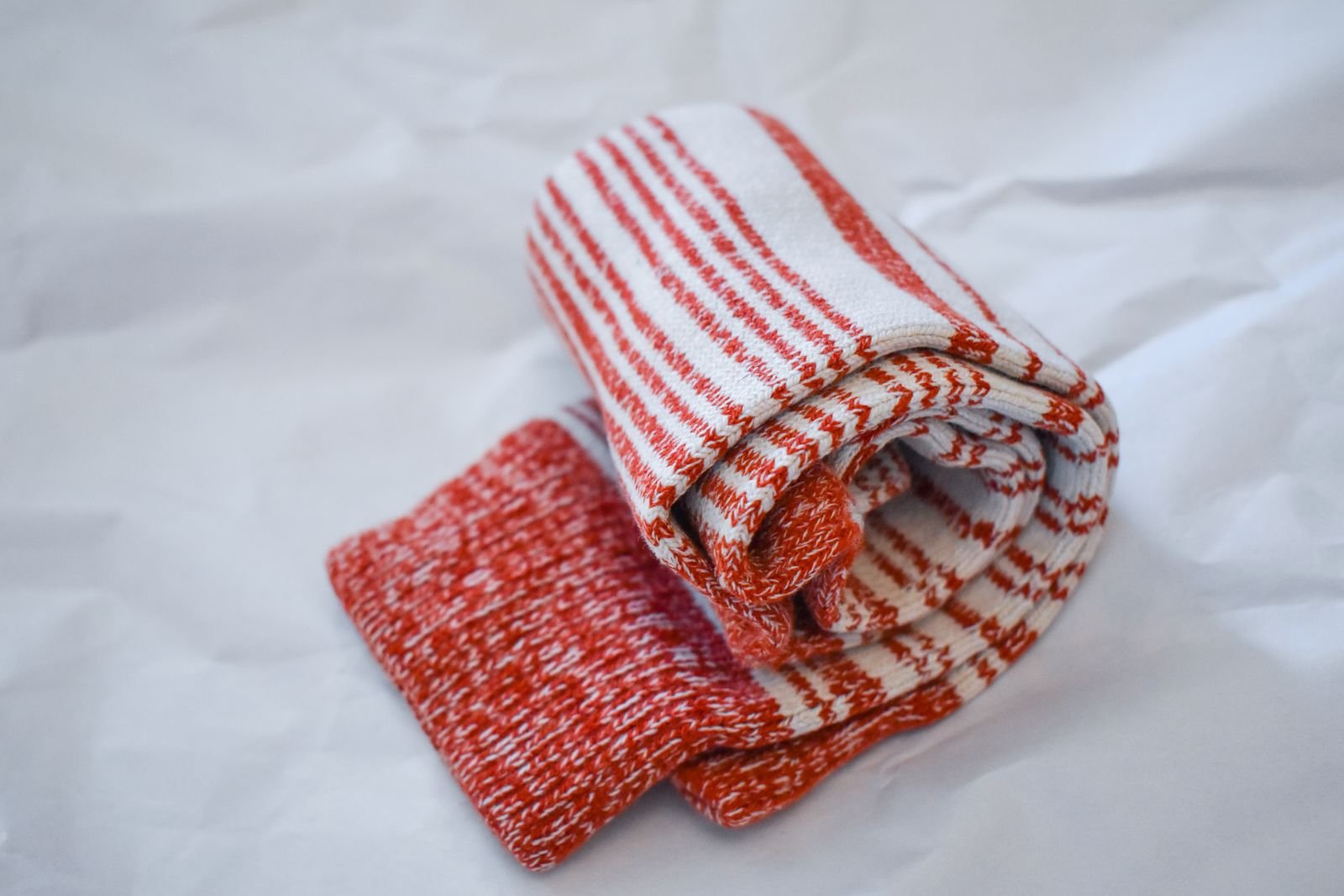
There is no universal winner, and any guide that declares one is selling something. Bamboo-derived socks are often preferred for smoothness, softness, and moisture absorption. Cotton socks are valued for durability, easy care, and price. A 2024 study comparing viscose and lyocell socks with cotton socks, summarised by Sock Republic, found the regenerated cellulose socks performed better in moisture absorption and breathability in the constructions tested, while cotton performed better in abrasion resistance. That is the honest shape of the comparison: bamboo wins the comfort tests, cotton wins the wear tests.
The table below puts the two fibres side by side, using the figures the sources themselves publish, not the rounded numbers from packets.
| Property | Bamboo socks (viscose) | Cotton socks |
|---|---|---|
| Softness | Very soft, smooth, often compared to silk | Soft at first, stiffens after repeated washing |
| Moisture handling | Wicks moisture off the skin faster; moisture regain 11% (ASTM D1909) | Absorbs moisture but holds it against the skin; moisture regain 8.5% (ASTM D1909) |
| Drying speed | Dries faster than cotton in everyday wear; saturates and dries slowly under heavy sweat | Dries slowly once wet; stays damp for hours |
| Odour | Feels fresher by keeping feet drier; does not kill bacteria | Holds dampness, which lets odour-causing bacteria grow |
| Durability | Weaker, especially when wet; thins and pills faster; blend ratio decides lifespan | Tougher fibre; survives hot washes and heavy wear |
| Care | Cold or up to 30 C, gentle cycle, no bleach, no softener, air-dry or tumble low | Hot wash, tumble dry; forgiving |
| Price | Usually costs more than basic cotton socks | Cheap at every quality level; multipacks are inexpensive |
| Sustainability | Plant grows fast; common viscose process uses harsh chemicals; hard to verify | Conventional cotton uses a lot of water and pesticide; certified organic cotton is audited |
| Best use | Office, dress wear, warm days, sensitive skin | Budget everyday wear, heavy washing, work and gym |
Two notes on the table. First, the moisture regain figures, cotton 8.5 percent and rayon 11 percent, are standard commercial values under ASTM D1909, as cited by SockRatesCustom. Moisture regain measures how much water a dry fibre pulls from humid air. It is not the same as how much liquid sweat a sock holds, so it supports “bamboo viscose absorbs a little more moisture than cotton” and nothing stronger. Merino wool, for reference, sits at 13.6 percent on the same scale. Second, the durability row is where the sources disagree most, and the disagreement is resolved in the durability section below: the fibre alone is weaker than cotton, but a well-made blend with enough nylon can last well.
The practical answer to the headline question is to match the sock to the day. Bamboo for the office, for dress shoes, for warm days, for long days on your feet when softness matters. Cotton for the days when the socks will be washed hot, worn hard, and replaced cheaply. Neither fibre is the wrong choice in general. Each is the wrong choice for the wrong job.
Which is better for sweaty feet?
Bamboo is better than cotton for sweaty feet in everyday wear, and that is one of the few claims in this topic that holds up. Cotton absorbs sweat and holds it against the skin, so a cotton sock gets damp and stays damp, which is exactly the warm, wet environment feet hate. Bamboo viscose moves moisture off the skin faster, so the foot feels drier through the day. MyFootology, an independent guide to sweaty feet, ranks bamboo blends as the value pick for sweaty feet, ahead of plain cotton, and notes that cheap polyester is the worst of all. SockRatesCustom makes the same call: bamboo wicks moisture away faster than cotton and is the better pick for sweaty feet or warm climates.
There are two limits, and both matter. The first is that bamboo is not the best material for heavy sweating. For heavy sweat, merino still wins: it absorbs more moisture before feeling wet, it keeps insulating when damp, and it resists odour for longer. The Hiking Tribe field test found bamboo viscose wicks surface moisture at first but saturates after several hours and then dries slowly, holding dampness once it is soaked through. So for a normal office day or a warm afternoon, bamboo is the better sock. For a long hike, a hot gym session, or a full day in work boots, merino is the safer pick, and cotton is the worst of the three.
The second limit is that no sock stops sweating. Bamboo socks do not stop perspiration, and any packet that implies otherwise is overselling. What a good bamboo sock does is manage the sweat you produce: move it off the skin, spread it through the fabric, and let it evaporate. That is a real comfort difference, and people with sweaty feet notice it on the first wear, but it is moisture management, not a cure. The same moisture logic is why our bamboo vs cotton sheets comparison reaches a similar conclusion for bedding: bamboo viscose handles night sweat better than cotton, for the same reason. And after a shower, the same principle applies to bamboo towels, which dry faster than cotton towels for the same fibre reason.
Do bamboo socks help with foot odour?
Yes, in the moisture sense, and no, in the sense the packets usually mean. This is the most important distinction in the whole article, so it is worth stating carefully. Sweaty feet and smelly feet are two different problems. Sweat is water. Smell is bacteria on the skin breaking down sweat. A sock can help with the first. No sock kills the bacteria that cause the second.
Bamboo socks help with odour by keeping feet drier. Moisture-wicking pulls sweat off the skin, which leaves odour-causing bacteria less of the damp environment they need to grow. MyFootology puts it plainly in its FAQ: bamboo socks help with the moisture side, they dry faster than cotton and feel drier through the day, and for the odour itself, the cause is bacteria on skin, which needs its own daily step, meaning washing your feet. Hugh Ugoli makes the same point: moisture-wicking helps keep feet drier, which leaves odour-causing bacteria less damp to grow in. That is the honest version of the claim, and it is a real benefit.
The dishonest version is the one on most packets: that bamboo contains a natural antibacterial agent called bamboo kun, which kills odour-causing bacteria, and that this property survives the viscose process and fifty washes. It does not survive scrutiny. The FTC has challenged antimicrobial claims in bamboo cases, and its guidance says the same substantiation standard applies to claims that rayon fibres retain natural antimicrobial properties from the bamboo plant. A summary of researcher Ian Hardin’s 2009 testing reports that he bought bamboo products sold as antimicrobial from six different sources, tested them with the standard AATCC Test Method 147 against Staphylococcus aureus and E. coli, and none of them worked. One Iowa State conference paper did find antibacterial activity in commercial bamboo viscose, so the lab evidence is mixed, but the weight of it is against the marketing claim for finished socks. Bamboo Socks Direct, citing BioResources at NC State University, states that raw bamboo fibre in its natural state shows no inherent antibacterial properties compared to cotton.
So if a packet says “antibacterial bamboo kun”, treat it as marketing. If it says the socks keep feet feeling fresher, that is fair, as long as you understand the mechanism is dryness, not disinfection. The practical advice is the boring kind: wash your feet daily, let shoes dry between wears, change socks midday if your feet sweat heavily, and pick bamboo for the moisture handling, not for a bacteria-killing power it does not have.
Which lasts longer, bamboo or cotton socks?
Cotton lasts longer, for the fibre alone. That is the honest answer, and it is where most bamboo marketing falls apart. Bamboo viscose is a delicate fibre. It loses about half its strength when wet, according to SockRatesCustom, which means every wash is a stress test. Cotton handles frequent hot washes well and generally outlasts bamboo, according to the same source. The real-world reports line up behind that: The Hiking Tribe field test found bamboo viscose socks showing significant pilling and thinning after 3 to 5 months of heavy use, with some developing holes at the heel, while merino blended with nylon lasted 12 months or more with care. A Diabetic Sock Club review of EcoSox bamboo diabetic socks notes reviewers reporting thinning after 3 to 6 months of regular wear. VegEco is blunt about it: 100 percent bamboo socks wear through fast, and good socks are 70 to 80 percent bamboo viscose with nylon and elastane for durability and shape.
The complaints from real buyers are consistent and specific. SOCKSHOP customer reviews for its bamboo socks report holes forming quickly, thin and patchy fabric, and in one case socks lasting only 2 wears before holes appeared. Other reviewers report the socks not holding up around the top and constantly falling down to the ankle, with elastic that is not good enough. Those reviews are for one retailer’s product, not bamboo socks generally, and they should be read that way, but they show what a thin, cheap bamboo sock does in real use. Pilling is the other common complaint: StyleGoTo reports tradesmen complaining of little round pilling effects, and The Hiking Tribe notes bamboo viscose pills faster in high-friction zones, the ball of the foot, the heel cup, and the toe box.
Against that, some brands claim the opposite. Hugh Ugoli claims bamboo is more durable than cotton thanks to the inherent strength of bamboo fibres. Swole Panda claims bamboo resists pilling and holds its shape. A printing company, Colorido, claims bamboo socks last 2 to 3 years with proper care. DeadSoxy claims 12 months or more and 50 or more wash cycles for its own blended dress socks, with 94 percent softness retention after 50 washes from its own testing. These are brand claims about their own products, not independent findings, and they contradict the field tests and the buyer reviews. The synthesis that fits all of it is this: pure bamboo viscose is weaker than cotton, especially when wet. A well-made blend with 20 to 35 percent nylon, reinforced heel and toe, and good knit quality can last well, sometimes a year or more with careful washing. The fibre alone does not outlast cotton. Durability depends on blend ratio, knit quality, reinforced heel and toe, and wash care, in that order.
That also explains why two people can have opposite experiences with bamboo socks and both be telling the truth. The person who bought a thick 70 percent bamboo blend with reinforced heels, washes cold, and air-dries will tell you bamboo socks last well. The person who bought a thin, cheap pair, washes hot, and tumble-dries on high will tell you they fell apart in weeks. Both are right about their own socks. The fibre is not the whole story. The blend and the care are.
Do bamboo socks shrink?
Yes, they can, and the cause is almost always the wash, not the sock. Bamboo socks shrink mainly from hot washing and high-heat drying, according to Swanky Socks and VegEco. Rayon fibres lose strength when wet, and hot water plus agitation is what breaks the fibres and shrinks the sock. High heat is also the main cause of shrinkage and elastic failure at the cuff, which is why a pair that fit in September slides down to your ankle by December.
The fix is simple and it works: wash cold or up to 30 C, which is 86 F, on a gentle cycle, with a mild detergent, and air-dry or tumble on low. Washed cold and dried low, a good blend holds its shape for years, according to VegEco. Turn the socks inside out before washing, which reduces pilling, and keep them out of the hot dryer entirely. The care section below gives the full routine and the reason for each rule. Cotton, by contrast, tolerates the hot wash and the hot dryer without complaint, which is one more reason cotton wins on easy care even while it loses on softness.
Are bamboo socks eco-friendly?
Partly, and the honest answer is less satisfying than the packet. The bamboo plant itself is a strong sustainability story: it grows fast, needs little water or pesticide, and regrows from the same root system after cutting. That part is widely stated and uncontested. But what grows in the ground and what ends up in the packet are not the same thing. Most bamboo textile products really are rayon, typically made using environmentally toxic chemicals in a process that emits hazardous pollutants into the air, in the FTC’s words. The viscose process dissolves the bamboo in chemicals, and unless those chemicals are recovered in a closed loop, the environmental cost is real.
That gap between plant and process is exactly what the FTC has been fining companies over. In April 2022 the FTC used its Penalty Offense Authority to seek a 2.5 million dollar civil penalty from Kohl’s and a 3 million dollar civil penalty from Walmart, a combined 5.5 million dollars, for marketing rayon products as eco-friendly bamboo. Earlier enforcement, as reported by the Fashion Law Journal, runs the same way: 2013 settlements totalling 1.26 million dollars across Amazon, Macy’s, Sears and Kmart, and Leon Max; 2015 settlements totalling 1.3 million dollars across Nordstrom, Bed Bath and Beyond, J.C. Penney, and Backcountry.com; and 2010 warning letters to 78 retailers including Walmart, Target, and Kmart. The pattern is consistent: calling rayon “bamboo” and calling it eco-friendly without evidence is what gets fined.
There are cleaner versions. Bamboo lyocell is made in a closed-loop process that recovers the solvents, and VegEco and PrintYo both call it the more defensible bamboo option. But it is less common and more expensive, and Green With Less reports it could not find socks made of bamboo lyocell at all. SockRatesCustom and VegEco both make the key comparison: conventional bamboo viscose has a chemical process with no third-party certification on most products, while GOTS-certified organic cotton is audited from farm to finished fabric, which makes certified organic cotton usually the more verifiable eco choice. Put plainly: the plant grows sustainably, the common viscose process does not automatically follow, and a bamboo sock with no certification carries an eco claim nobody has checked, not a proven one.
One more eco claim to drop: bamboo socks are not biodegradable or compostable as sold. StyleGoTo claims socks can be worn for a couple of years then composted because they are 100 percent biodegradable. That is not supported. Most bamboo socks contain synthetic fibres, typically elastane or nylon, and are not readily recyclable through standard textile recycling schemes, according to Swanky Socks. A sock that is 70 to 80 percent bamboo viscose plus nylon and elastane is not compostable as a whole product. The bamboo plant is biodegradable. A blended sock is not.
Are bamboo socks good for sensitive skin?
For most people with sensitive skin, yes, as a comfort claim, not a medical one. Bamboo viscose is smooth and round in fibre structure, unlike cotton, which can feel coarser against the skin. That smoothness means less friction, and less friction is what sensitive feet notice. SockRatesCustom describes bamboo viscose as smooth and hypoallergenic for most people. Swole Panda calls bamboo fibres naturally hypoallergenic. DeadSoxy states dermatologists recommend bamboo alongside cotton and silk as eczema-friendly fabrics, citing Medical News Today, though that citation was not verified against the original page in the research for this guide, so it is reported here as a brand claim, not as a verified medical finding.
The careful wording matters. No clinical source verified in the research for this guide establishes bamboo viscose as a treatment for eczema or any skin condition. What is safe to say is that bamboo viscose feels smooth, causes less friction than cotton, and is a popular choice for people whose skin reacts to rough seams and coarse fibres. If you have eczema or a skin condition, the sock features that matter most are a smooth, seamless toe, no rough internal seams, and a non-binding cuff, and those features exist in cotton socks too. The same viscose-against-skin logic applies across bamboo clothing, which is why our bamboo underwear guide reaches a similar conclusion for the most sensitive skin of all: bamboo viscose is comfortable because it is smooth and dry, not because it is medicine.
One practical note: if your skin reacts to dyes or finishes rather than to fibre, the fibre choice will not fix it. Look for OEKO-TEX Standard 100 certification, which tests the finished product for harmful substances, and wash new socks before the first wear. That advice holds for bamboo and cotton alike.
Are bamboo socks good for diabetes?
This section is general information only, not medical advice. No sock replaces foot checks or professional foot care, and anyone with diabetes should follow their own provider’s advice on footwear.
With that boundary set, the honest position is this: no diabetes authority recommends bamboo specifically. The American Diabetes Association foot-care guidance recommends wearing non-restrictive, moisture-wicking socks, choosing white or light colours so bleeding or drainage is easy to spot, checking feet daily, and not walking barefoot. The National Institute of Diabetes and Digestive and Kidney Diseases says socks with no seams are best. Diabetic Sock Club lists the features that matter for diabetic socks: non-binding tops, seamless toe construction, moisture-wicking materials, and extra cushioning. None of those sources names bamboo as the recommended fibre. What matters is the features, not the fibre.
Some bamboo socks do have those features: seamless or flat-seam toes, non-binding cuffs, and moisture-wicking fabric. That is why Swanky Socks says bamboo socks are widely recommended for diabetic foot care, though it does not name who recommends them, and why Hugh Ugoli’s diabetic-sock guide says bamboo socks may help reduce pressure, moisture, and friction, while adding that they are not a medical treatment and should not replace professional foot care. The features are the recommendation. The bamboo is incidental.
Two claims to avoid. The first is that bamboo fibre contains no chemicals and is therefore safe for diabetic patients, which StyleGoTo states. That is false as written: bamboo viscose is made with chemicals, as the FTC guidance explains. The second is any claim that bamboo socks treat, prevent, or reduce the risk of diabetic foot problems. No evidence verified for this guide supports that. If you have diabetes and are choosing socks, pick a pair with a seamless toe, a non-binding cuff, moisture-wicking fabric, and a light colour, check your feet daily, and ask your provider if you are unsure. The fibre on the label matters far less than those four features.
How much do bamboo socks cost?
Bamboo socks usually cost more than basic cotton socks, and the gap is real even if no reliable price survey exists for the exact range. SockRatesCustom states the reason plainly: bamboo costs more because the fibre requires extra chemical processing, while cotton is available at every price point. DeadSoxy‘s own prices show the premium end: its bamboo Boardroom dress socks start at 27 dollars per pair, with 3-packs from 69.95 dollars and a subscription at 27 dollars per month. Those are one brand’s prices for its own product, verified on its own site, not a market average. Some roundup pages quote 10 to 15 dollars for a quality pair of bamboo socks against 5 to 8 dollars for basic cotton, but those pages are content marketing with unverifiable expert quotes, so that range is not used here as a fact.
Price per pair is the wrong measure. What matters is what each wear costs you. A bamboo sock that costs more but lasts six months is worse value than a cotton sock that costs less and lasts a year. A bamboo sock that costs more and gets worn three times a week in the office, where its softness and moisture handling are actually felt, can be worth it. The test is cost per wear, not cost per pair, and cost per wear depends on the blend, the care, and how often the socks are worn. Buy one pair first, wash it the way the care section describes, and judge by the end of the month. That is cheaper than buying a six-pack of a sock you have never tried.
How do I wash bamboo socks?
Wash them like the delicate fibre they are, and they will last. Wash them like cotton, and they will not. The rules are consistent across every careful source, and each rule has a reason.
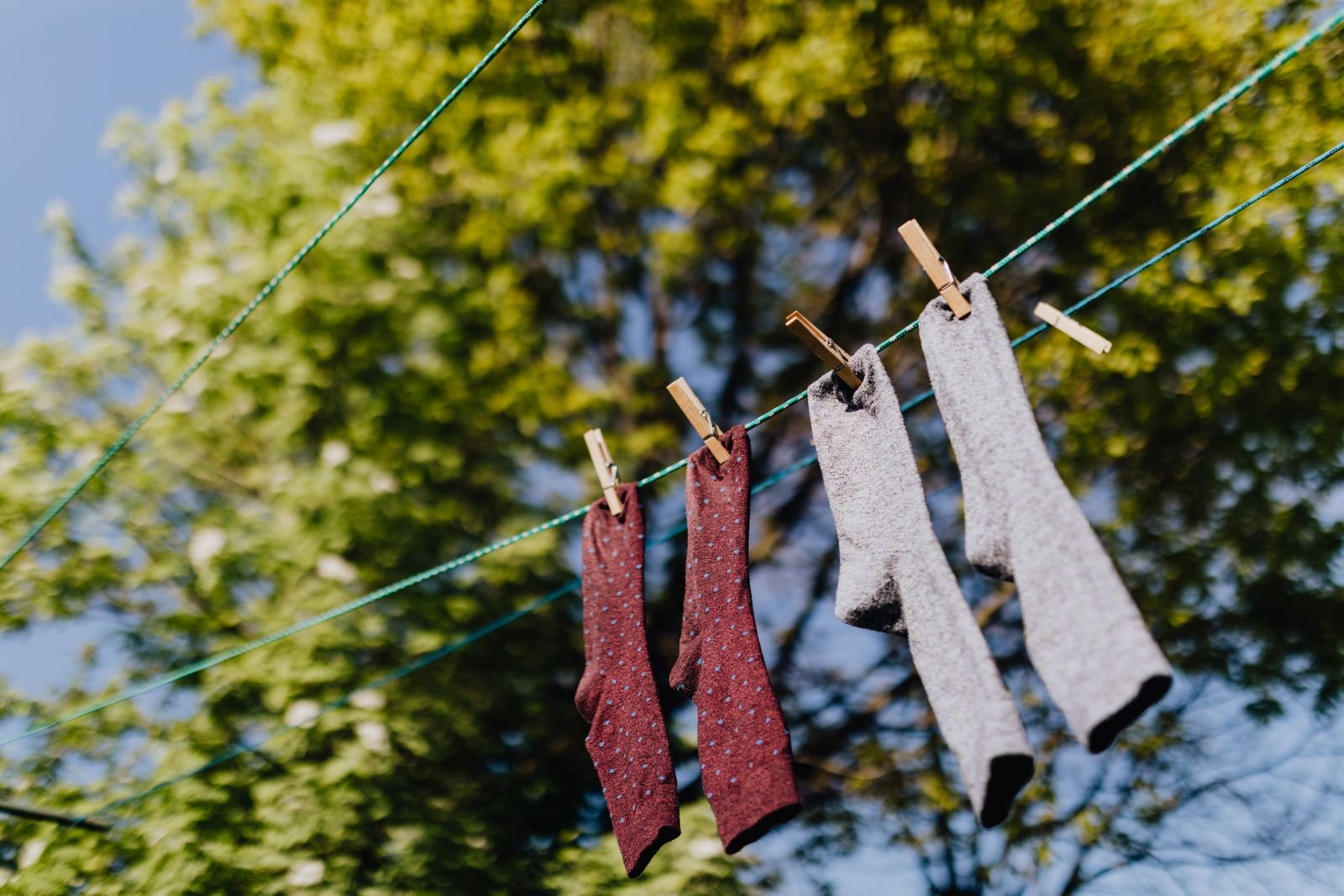
Wash cold or warm, up to 30 C, which is 86 F, on a gentle cycle, with a mild detergent. Rayon fibres lose strength when wet, and hot water plus agitation is what breaks them, so cold water and a gentle cycle are the two rules that matter most. Skip fabric softener and bleach entirely: softener coats the fibres and reduces the moisture handling you bought the socks for, and bleach attacks the fibre. Turn the socks inside out before washing, which reduces pilling on the outside face. Air-dry, or tumble on low if you must use a dryer. High heat is the main cause of shrinkage and elastic failure at the cuff, so the hot dryer is the single fastest way to ruin a good pair.
The same fibre means the same routine elsewhere: our guide to washing bamboo sheets gives the same cold, gentle, air-dry routine for sheets, and the reasons are identical. Cotton socks, by contrast, tolerate a hot wash and a hot dryer without complaint, which is the practical trade-off of the whole comparison: bamboo asks for more care and gives more comfort, cotton asks for nothing and gives less comfort.
A short routine that works: turn inside out, cold gentle wash with mild detergent, no softener, no bleach, air-dry flat or on a line out of direct sun, or tumble low. A laundry bag helps further, especially for thin pairs, and StyleGoTo reports that a laundry bag eliminated the pilling tradesmen had complained about. None of this is difficult. It is just different from how most people wash cotton socks, and the people who complain bamboo socks fall apart are often the people who washed them like cotton.
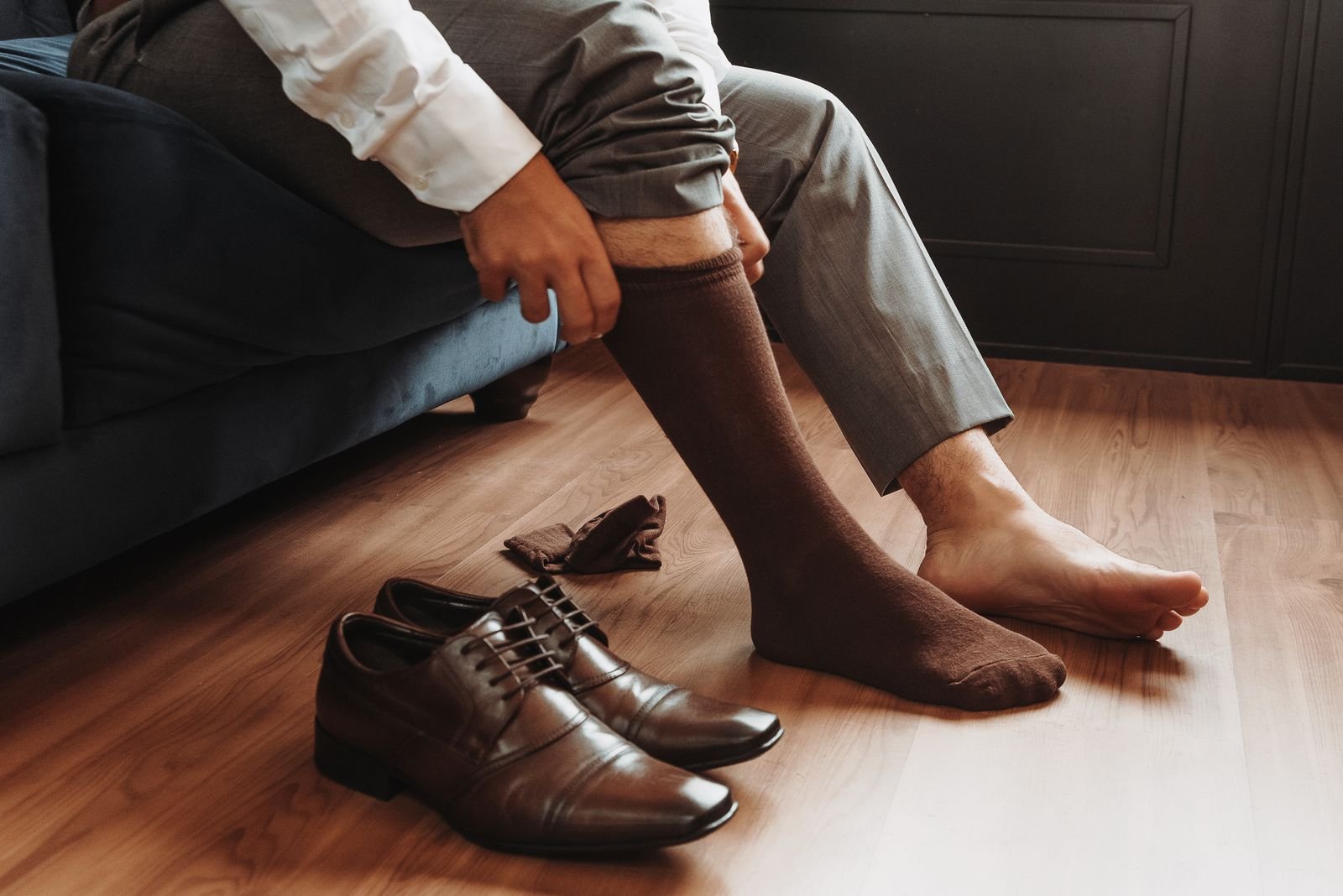
How to spot a good pair of bamboo socks
Most of the buying decision happens on the label, before money changes hands. Here is what to check.
First, the fibre content. Look for “rayon from bamboo” or “bamboo viscose” with percentages, ideally 70 to 80 percent bamboo viscose with nylon and elastane. Avoid pairs with no percentages listed, and be wary of 100 percent bamboo, which wears through fast. The nylon, usually 20 to 35 percent, is what gives the sock its durability and stretch, so a higher nylon share is not a sign of a worse sock. It is a sign of a sock that will survive the wash.
Second, the construction. Reinforced heel and toe matter more than fibre choice for lifespan, because those are the zones that thin first. A seamless or flat-seam toe matters for sensitive feet and for anyone who wears the socks all day. A non-binding cuff matters if your legs mark easily or if you have circulation concerns. Thick terry cushioning matters for work boots and long shifts, more than the fibre does.
Third, certification. OEKO-TEX Standard 100 is a reliable indicator that the finished product has been tested for harmful substances, and it is particularly relevant for sensitive skin. GOTS certification matters for organic cotton alternatives. No certification proves a bamboo sock is eco-friendly, but OEKO-TEX at least proves the finished sock has been tested.
Fourth, the return policy. A brand that offers a real wear-and-wash guarantee, like DeadSoxy’s 111-day guarantee, is putting money behind its durability claim. A brand with no returns on worn socks is offering no proof behind its durability claim. Buy one pair first from a new brand, wash it cold, wear it for a month, and only then buy more.
Who should buy which?
Bamboo socks suit office and dress wear, warm climates, long days on your feet, and sensitive skin. If you wear dress shoes, sit at a desk, or walk all day in mild weather, bamboo is the better sock, and the softness and moisture handling are felt from the first wear. The same logic carries across bamboo clothing: our bamboo pajamas guide finds bamboo viscose suits sleep for the same reasons, smooth, cool, and dry.
Cotton socks suit budget everyday wear, heavy washing, work and gym use, and anyone who wants a sock they can throw in a hot wash without thinking. Cotton is the sock you buy in a multipack, wear hard, and replace without regret. It is also the better sock for children, whose socks are washed constantly and outgrown quickly.
Merino wool suits cold weather, wet conditions, hiking, and multi-day outdoor use. It absorbs more moisture before feeling wet, keeps insulating when damp, and resists odour for longer than either bamboo or cotton. The Hiking Tribe field test found merino retained 18 percent more heat energy dry and 24 percent more when wet than bamboo viscose, and merino blended with nylon lasted 12 months or more with care against 3 to 5 months for bamboo viscose under heavy use. Merino is also the most expensive of the three, and it needs the same gentle care as bamboo, so it is a specialist sock, not an everyday default.
A short way to decide: if the day is an office day, buy bamboo. If the day is a laundry day, buy cotton. If the day is a mountain day, buy merino. If you can only own one kind, cotton is the honest default, because it is the cheapest to replace and the hardest to ruin. Bamboo is the upgrade you buy for the days when comfort matters more than cost per wear.
Claims check: the numbers sellers quote
Sellers quote a lot of numbers for bamboo socks, and most of them fall apart when you look for the test behind them. The table below lists the ones you will see most often, with a verdict on each.
| Claim | Verdict | Why |
|---|---|---|
| “3x more wicking” or “3x more breathable” | Unverified | Attributed to peer-reviewed research on ScienceDirect, but the specific paper was not located in the research for this guide. Direction is supported, the multiplier is not. |
| “Absorbs 60% more moisture than cotton” | Brand testing only | DeadSoxy reports this from its own internal testing. ASTM D1909 moisture regain implies about 29% more, not 60%. Do not treat it as an independent finding. |
| “4x more absorbent than cotton” | Not supported | Stated with no test named, no paper cited, and no link. No other source supports a 4x figure. |
| “Reduces odour-causing bacteria by 70%” | Not supported | From content-marketing pages with no study cited. Contradicts the Hardin test result. |
| “99.8% reduction in S. aureus” | Not supported | Attributed to AATCC Test Method 100 on a marketing page with no identifiable lab, paper, or test report. |
| “Bamboo kun kills bacteria, survives 50+ washes” | Not supported | Hardin tested bamboo products from six sources with AATCC 147 and none showed antibacterial activity. The FTC requires substantiation for such claims. |
| “30 to 40% stronger when wet” | Unverified | Attributed to the Journal of Engineering Fibers and Fabrics, but the paper was not located in the research for this guide. |
| “Bamboo socks last 2 to 3 years” | Not supported | Brand claim. Field tests and buyer reviews point to 3 to 6 months for thin pairs, longer for good blends with careful washing. |
| “100% biodegradable, compostable” | Not supported | Most bamboo socks contain nylon and elastane and are not compostable as a whole product. |
| “Eco-friendly bamboo” | Needs qualification | The plant is sustainable. The common viscose process uses harsh chemicals. Certified organic cotton is usually the more verifiable choice. |
Read the two columns of that table together and a pattern shows: the figures that favour bamboo usually come from the brand itself, with no paper, no lab, and no method named. The figures from standards and independent tests, moisture regain under ASTM D1909, the Hardin AATCC 147 result, the FTC enforcement record, the field-test durability timelines, mostly cut the other way, or at least show a smaller edge than the packets claim. That does not make bamboo socks bad. It means the marketing cannot be trusted at face value, so this guide sticks to the numbers that can be checked and marks the rest as claims.
What real users found
We did not test these socks ourselves. What follows is what real users found when they wore bamboo socks for weeks and months, gathered from field tests, long-term reviews, and buyer reviews, with the source named for each one. The pattern across them is consistent: softness and dry feet are real, durability is where the complaints concentrate.
Trail test, bamboo against merino. The Hiking Tribe wore bamboo viscose socks and merino socks on the same trails over several days. The bamboo pair wicked surface moisture at first but saturated after several hours and then dried slowly, holding dampness once soaked through. After 3 to 5 months of heavy use the bamboo socks showed significant pilling and thinning, with some developing holes at the heel, while merino blended with nylon lasted 12 months or more with care. Source: The Hiking Tribe, bamboo vs merino hiking socks field test.
Six months of daily wear, no holes. A reviewer at 198254.com wore a 6-pack of Bamboo Cool no-show socks for six months through gym sessions, office days, and a muggy July, about 40 wash cycles per pair. None of the six pairs developed holes or heel blowouts, the elastic stayed snug, and the fabric stayed soft with no pilling on the sole. The trade-offs were minor pilling on the toe after month four and heel grip dots wearing smooth. Feet stayed noticeably drier than with the cotton no-shows they replaced. Source: Bamboo Cool 6-pack review after 6 months, 198254.com.
A sweaty-feet guide author switches to a blend. The author of MyFootology, an independent guide to sweaty feet, writes that he has worn merino wool, plain cotton, and lately a cotton and bamboo blend. He reports the blend has been working well: softer than his plain cotton pairs, with his feet feeling drier at the end of the day. He still ranks merino first for heavy sweat and notes no sock stops sweating. Source: MyFootology, best socks for sweaty feet.
Office buyers report holes after months. Amazon buyer reviews of VRD bamboo dress socks, sold as an 80 percent bamboo rayon blend, split the same way. One buyer who bought 10 pairs eight months earlier had discarded 5 for holes in the heel after normal daily wear, even with cold-water washing, while the elastic stayed like new. Another office worker reported holes in the toes after buying in October 2023. The same reviewers praise the comfort: one writes that he never gets sweaty feet anymore wearing them to the office. Source: Amazon buyer reviews of VRD bamboo dress socks, via Desertcart.
Thin cheap pairs fail fast. Buyer reviews of a 12-pack of plain bamboo socks tell the other end of the range. One reviewer writes that the socks are comfortable but so thin that big holes appeared at friction points after only 1 to 2 days per pair. Another reports each pair giving 10 to 12 days of regular use before holes in the heel or ankle, against cotton socks that last for years, and adds that the bamboo pairs are more comfortable than cotton. The same thread praises the softness and the fact that the socks stay up on the leg. Source: Amazon buyer reviews of 12-pack bamboo socks, via Desertcart.
Bamboo running socks, tested on trails. The expert reviewers at Advnture tested BAM Technical Bamboo Running Socks on trails and found them soft but hard-wearing, breathable and light, working well for summer walking as well as mixed-terrain runs. The pair they tested is a blend of 40 percent bamboo viscose, 10 percent merino wool, and recycled polyamide, which matches this guide’s point that the blend, not the bamboo alone, decides how long a sock lasts. Source: Advnture, best trail running socks 2026.
Frequently asked questions
Are bamboo socks actually better than cotton socks?
Not universally. Bamboo socks are softer and handle moisture better, which most people notice on the first wear. Cotton socks last longer, survive hot washes, and cost less. Bamboo wins for office and dress wear, cotton wins for budget everyday wear. The right question is not which fibre is better, but which is better for the day you are dressing for.
What are the advantages of bamboo socks?
Softness, moisture handling, and comfort over long days. Bamboo viscose feels smoother than cotton, moves moisture off the skin faster, and dries faster in everyday wear. The disadvantages are durability, careful washing, and price. The advantages are real, but they are comfort advantages, not the antibacterial or eco advantages the packets claim.
Are bamboo socks good for sensitive skin?
For most people, yes, as a comfort matter. The fibre is smooth and causes less friction than cotton, which sensitive skin notices. That is not a medical claim: no clinical source verified for this guide establishes bamboo viscose as a treatment for eczema or any skin condition. Look for a seamless toe, no rough internal seams, and OEKO-TEX Standard 100 certification.
Do bamboo socks last as long as cotton socks?
Usually not. Pure bamboo viscose is weaker than cotton, especially when wet, and thin cheap pairs can thin out or develop holes within months. A well-made blend with 20 to 35 percent nylon, reinforced heel and toe, and cold gentle washing can last well, sometimes a year or more. Cotton generally outlasts bamboo when both are washed the same way.
Is organic cotton better than bamboo for the environment?
Usually yes, as a verifiable claim. Certified organic cotton is audited from farm to finished fabric, while most bamboo viscose has no third-party certification and its chemical process is not audited. The bamboo plant grows fast with little water or pesticide, but the common viscose process uses harsh chemicals. Bamboo lyocell, made in a closed loop, is the cleaner bamboo option, but it is rare in socks.
Do bamboo socks shrink?
They can, mainly from hot washing and high-heat drying. Wash cold or up to 30 C on a gentle cycle, skip bleach and fabric softener, and air-dry or tumble on low, and a good blend holds its shape for years. Turn them inside out to reduce pilling.
Are bamboo socks good for sweaty feet?
Yes, for everyday sweaty feet. Bamboo viscose moves moisture off the skin faster than cotton, so feet feel drier through the day. For heavy sweat, merino is still the better pick: it absorbs more before feeling wet and resists odour for longer. No sock stops sweating.
Do bamboo socks help with foot odour?
They help with the moisture side of odour, not the bacteria side. Drier feet give odour-causing bacteria less damp to grow in, so feet feel fresher. The sock does not kill bacteria, whatever the packet says. Wash your feet daily, let shoes dry between wears, and change socks midday if your feet sweat heavily.
Are bamboo socks durable?
It depends on the blend and the care. Thin 100 percent bamboo socks wear through fast. Good blends, 70 to 80 percent bamboo viscose with nylon and elastane, reinforced heel and toe, washed cold and air-dried, can last a year or more. Heavy use in hiking or work boots shortens that to months. Check the label for blend percentages before buying.
How long do bamboo socks last?
With careful washing, good quality bamboo socks typically last between six months and a couple of years of regular wear, according to Swanky Socks. Thin cheap pairs can thin out or develop holes within 3 to 6 months. Cotton socks generally last longer under the same washing. Lifespan depends on blend, knit quality, reinforced heel and toe, and wash care, in that order.