
To wash bamboo sheets, use cold water on a gentle cycle. Pick a mild liquid detergent. Skip fabric softener and bleach completely. Tumble dry on low heat. Remove them while still slightly damp. That is the short answer. But there is more you need to know to keep them soft for years.
Bamboo sheets are one of the best bedding investments you can make. They are soft, breathable, and naturally moisture-wicking. But they are also sensitive. One wrong wash can shrink them, pill the fabric, or strip that signature silky feel forever.
This guide covers everything. You will learn how to wash bamboo sheets for the first time, how to use your washing machine the right way, how to dry them without damage, and how to care for specific brands like Cozy Earth, Quince, Cariloha, and more.
Whether your sheets are bamboo viscose, rayon from bamboo, bamboo silk, or a bamboo-cotton blend, this guide has you covered. Follow these steps and your bamboo bed sheets will stay softer, longer.
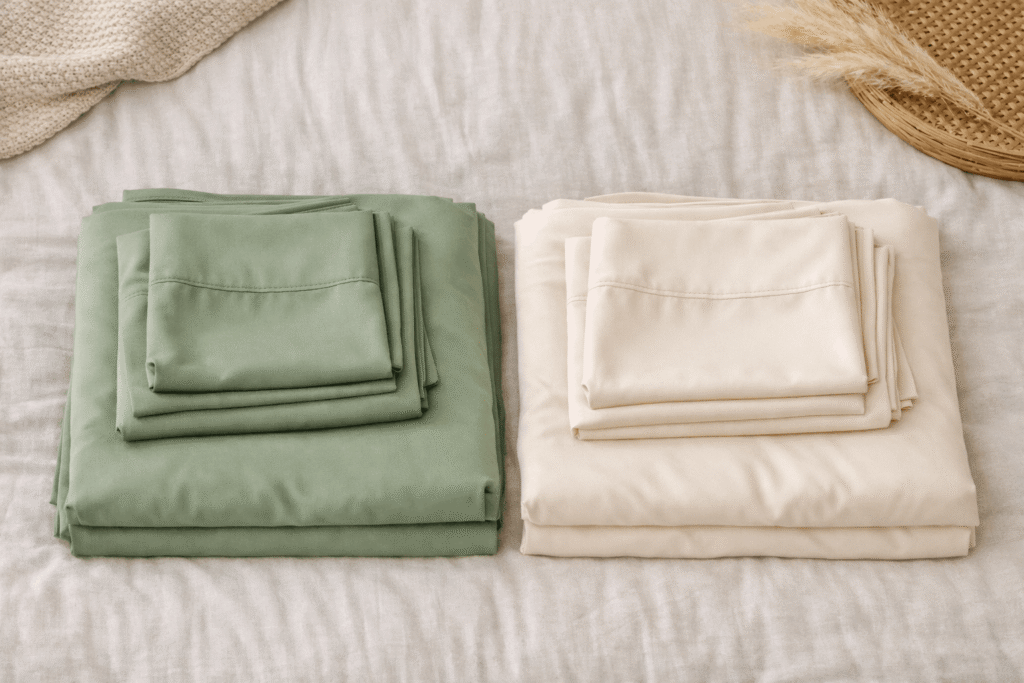
What Makes Bamboo Sheets Different — And Why Washing Them Wrong Is Costly
Bamboo sheets feel amazing because of the fiber itself. Bamboo viscose and rayon from bamboo are made from processed bamboo pulp. The result is an ultra-fine, smooth fiber. That smoothness is what gives bamboo sheets their silky feel.
But that same fineness makes them vulnerable. Hot water breaks down bamboo fibers fast. Harsh detergents strip the natural softness. High spin speeds in the washer cause friction. That friction leads to pilling. All of this adds up to sheets that feel rough and worn out way too soon.
Cotton and bamboo are not the same. Cotton can handle warm water and regular spin cycles. Bamboo cannot. Here is a quick comparison to show the difference:
| Setting | Bamboo Sheets | Cotton Sheets |
|---|---|---|
| Water Temperature | Cold (max 86°F / 30°C) | Warm to hot |
| Wash Cycle | Gentle or delicate | Normal or heavy |
| Spin Speed | Low (max 600–800 RPM) | Medium to high |
| Detergent | Mild, liquid, pH-neutral | Regular detergent |
| Fabric Softener | Never | Optional |
| Bleach | Never | Occasionally |
| Dryer Heat | Low or air-dry only | Medium to high |
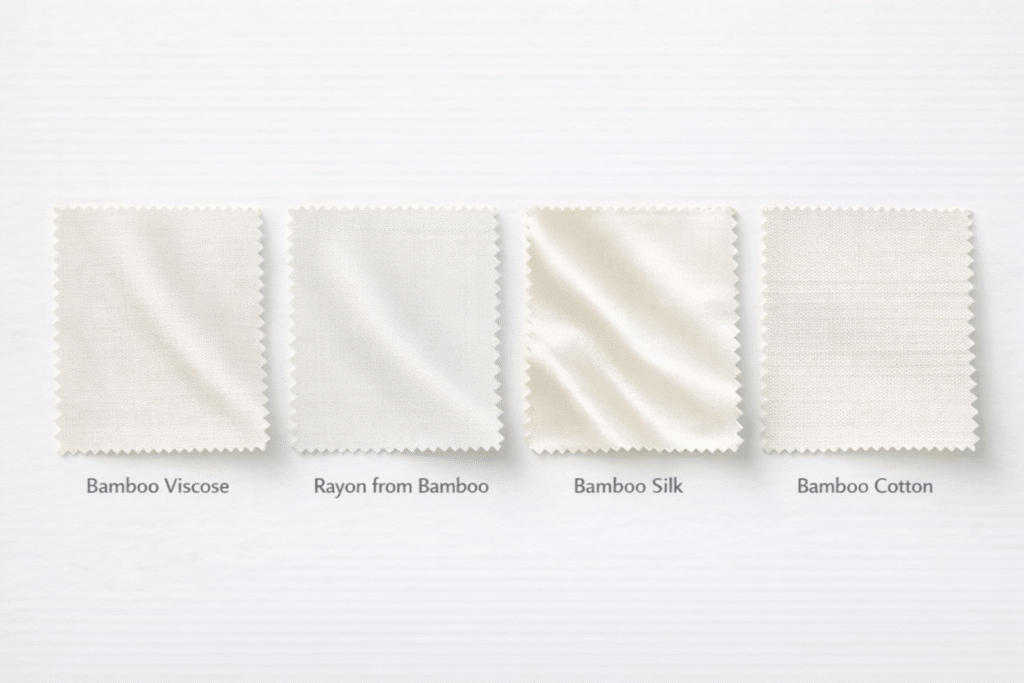
It also matters what type of bamboo fabric you have. Bamboo viscose sheets are the most common. They are very soft but also the most delicate. Rayon from bamboo is the same material with a different label. The US Federal Trade Commission requires manufacturers to label it as rayon. Bamboo silk is a tightly woven viscose with a satin-like finish. It is the most delicate of all. Bamboo-cotton blends are the most durable because cotton adds structure.
Knowing your fabric type helps you wash smarter. So check your care label before you begin.
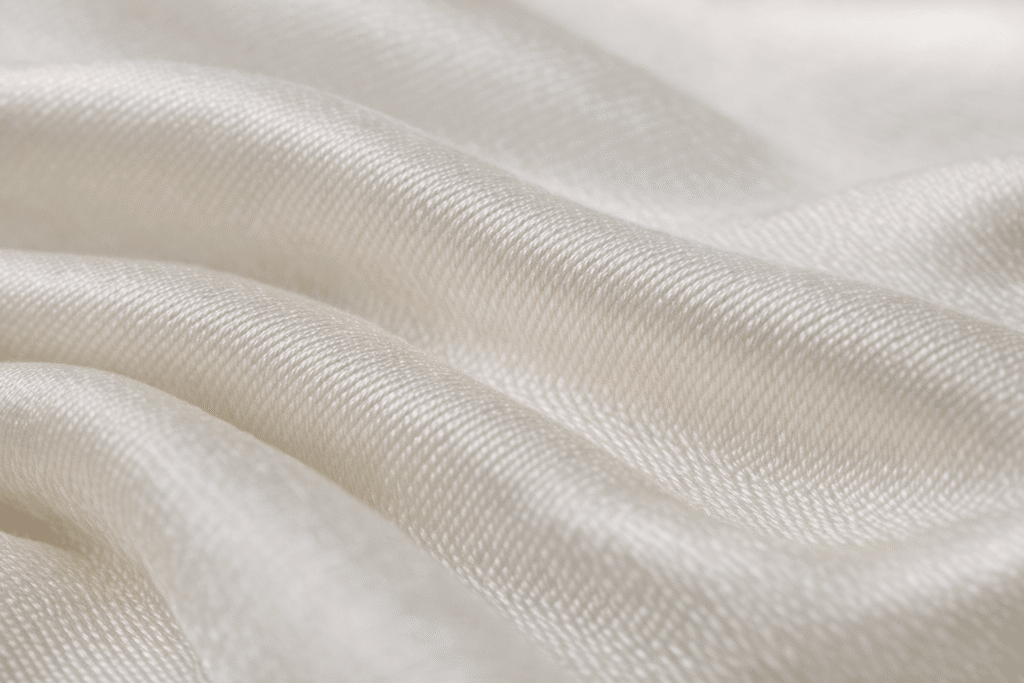
How to Wash Bamboo Sheets for the First Time
Got a brand new set of bamboo sheets? Good. The first wash is important. It sets the foundation for how long your sheets will last and how soft they will feel.
Here is something many people do not know. Brand new bamboo sheets often feel slightly stiff right out of the packaging. That is completely normal. A first wash loosens the fibers and starts the softening process.
Follow these steps for your first wash:
Step 1: Check the care label
Always start here. Look at the fabric composition. Note whether your sheets are viscose, rayon, bamboo-cotton blend, or bamboo silk. Each one has slightly different care needs.
Step 2: Wash your sheets alone
Do not mix them with towels, denim, or anything with zippers or rough textures. These cause friction and damage bamboo fibers. Wash bamboo bed sheets separately, especially the first time.
Step 3: Choose cold water
Set your machine to cold. The maximum safe temperature for bamboo sheets is 86°F (30°C). Hot water causes shrinkage and fiber breakdown. Cold water protects the fabric and saves energy.
Step 4: Select the gentle or delicate cycle
This cycle uses slower agitation and a lower spin speed. Both protect bamboo fibers from stress and friction.
Step 5: Use a small amount of mild liquid detergent
Choose a fragrance-free, pH-neutral liquid detergent. Plant-based options work well. Use less than the recommended amount. Too much detergent leaves residue on bamboo fibers. Good options include Seventh Generation, Ecos, or Mrs. Meyer’s Clean Day.
Step 6: Skip the fabric softener completely
This surprises a lot of people. Fabric softener actually makes bamboo sheets worse over time. It coats the fibers. This coating reduces breathability and makes the sheets feel heavier and less soft. Bamboo is naturally soft. It does not need a softener.
Step 7: Skip bleach too
Even for white bamboo sheets, bleach is a hard no. It damages bamboo fibers and can cause yellowing or discoloration over time.
Step 8: Remove sheets promptly after the cycle ends
Do not leave them sitting in the drum. This causes creasing and can lead to musty odors. Take them out right away and move to drying.
Pro Tip: Your bamboo sheets will feel even softer after the second and third wash. The fibers open up gradually with gentle washing. Do not judge them on the first wash alone.
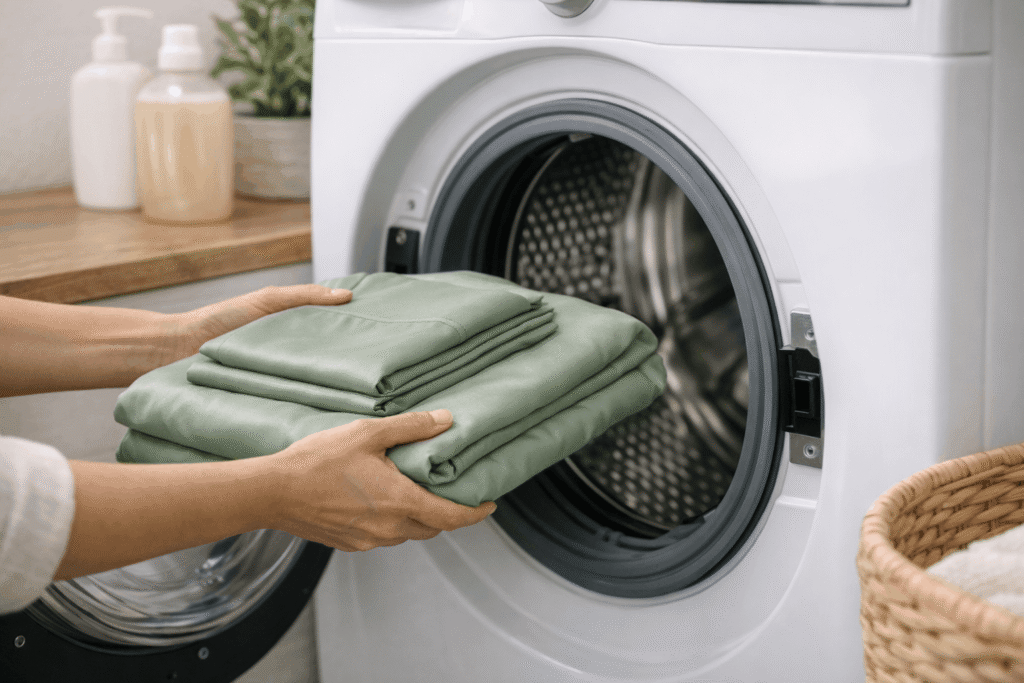
Step-by-Step: How to Wash Bamboo Sheets in a Washing Machine
This is the most searched part of this topic. And for good reason. Most people wash their bamboo sheets in a washing machine. The good news is that machine washing works perfectly fine. You just need the right settings.
Here is the complete step-by-step process:
Step 1: Sort and separate your laundry
Bamboo sheets should never share a wash with towels, jeans, or clothes with buttons and zippers. These items cause abrasion. Wash your bamboo bed sheets with other flat, smooth fabrics only. Or wash them alone.
Step 2: Do not overload the machine
Your sheets need room to move freely in the drum. Overloading prevents proper rinsing and increases friction. Use a large-capacity machine if you have a king or queen set.
Step 3: Select the gentle or delicate cycle
Both cycles use shorter wash times and slower final spin speeds. This is gentler on the fabric. Avoid normal, heavy, or quick-wash cycles.
Step 4: Set the water temperature to cold
Cold water is the safest option for all bamboo sheet types. It prevents shrinkage and protects the fiber structure. The maximum temperature you should ever use is 86°F (30°C).
Step 5: Add a mild liquid detergent
Pour in less than the usual amount. Liquid detergent dissolves better in cold water than powder. Avoid detergents with bleach, enzymes, optical brighteners, or fragrances. These all break down bamboo fibers over time.
Step 6: Never add bleach
This applies to white bamboo sheets too. Bleach is a fiber-damaging chemical. It weakens bamboo fabric and shortens sheet’s lifespan significantly. If you need to brighten white sheets, try adding a half cup of baking soda to the wash instead.
Step 7: Set the spin speed to low
Aim for 600 to 800 RPM maximum. High spin speeds put stress on wet bamboo fibers. Wet bamboo is more fragile than dry bamboo. Low spin keeps them intact.
Step 8: Add an extra rinse cycle
This is optional but smart. An extra rinse removes all detergent residue. Leftover detergent can build up on bamboo fibers and reduce softness over time.
Step 9: Remove sheets right away
Once the cycle ends, take the sheets out immediately. Leaving wet bamboo sheets in the drum causes wrinkles and odor. Move them to the dryer or drying rack right away.
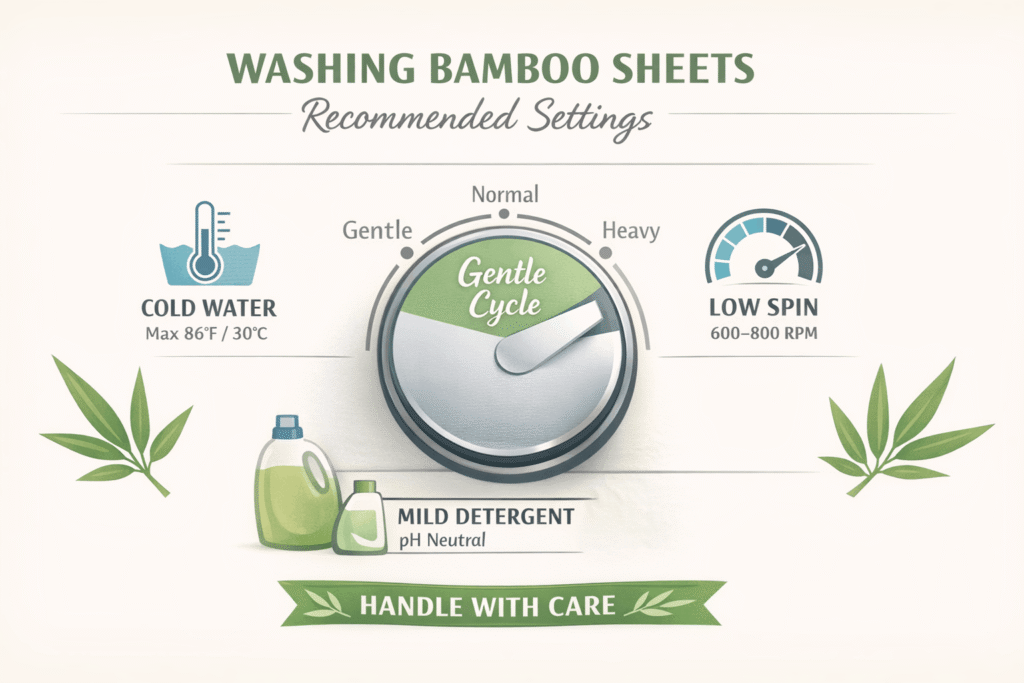
Here is a quick settings reference you can save:
| Washer Setting | Recommended Choice |
|---|---|
| Cycle | Gentle or Delicate |
| Water Temp | Cold (max 86°F / 30°C) |
| Spin Speed | Low (600–800 RPM max) |
| Detergent | Mild liquid, pH-neutral |
| Detergent Amount | Less than recommended |
| Fabric Softener | Never |
| Bleach | Never |
| Extra Rinse | Recommended |
How to Wash and Dry Bamboo Sheets — The Drying Rules That Preserve Softness
Washing is only half the job. How you dry bamboo sheets matters just as much. In fact, most damage happens during drying, not washing. High heat is the number one enemy of bamboo fabric.
Here is everything you need to know about drying bamboo bed sheets properly.
1. Tumble Drying
You can use a dryer. Just use the lowest heat setting available. Look for the air-dry, low, or delicate setting on your machine. High heat breaks down bamboo fibers fast. It causes shrinkage, stiffness, and pilling. Low heat protects the fabric and keeps it soft.
2. The 80% Rule
Do not dry bamboo sheets all the way through in the dryer. Remove them when they are about 80% dry. They should feel slightly damp, not wet. Then let them air-finish on a drying rack or over a chair. This prevents over-drying, which is a major cause of shrinkage.
3. Add Wool Dryer Balls
Wool dryer balls speed up drying time naturally. They also keep sheets from clumping together in the drum. This means more even drying and less friction. Skip dryer sheets entirely. They leave a coating on bamboo fibers, similar to fabric softener.
4. Line Drying
This is the best option for long-term care. Air drying on a clothesline or drying rack keeps bamboo sheets in excellent condition. The gentle airflow dries the fabric without any heat stress.
5. Shade vs. Sunlight
Dry in shade when possible. Direct sunlight can fade colors over time. UV rays also degrade bamboo fibers with repeated exposure. A shaded outdoor area or an indoor drying rack works best.
6. White Bamboo Sheets
Do not use bleach or optical brighteners to whiten them. Instead, air dry in indirect natural light occasionally. This gently brightens white fabric without damage. You can also add half a cup of baking soda to the wash cycle to keep whites fresh.
7. Ironing
Most bamboo sheets will not need ironing if you remove them from the dryer promptly. If you do need to iron, use the lowest heat setting. Never use a hot iron or steam directly on bamboo. High heat scorches and yellows the fibers permanently.
Here is a simple do and do not list for drying bamboo sheets:
| Do | Do Not |
|---|---|
| Tumble dry on low heat | Use high heat settings |
| Remove while slightly damp | Leave in dryer until bone dry |
| Use wool dryer balls | Use dryer sheets |
| Air dry in shade | Dry in direct sunlight for long periods |
| Iron on lowest setting if needed | Iron on high heat |
| Shake out before drying | Leave crumpled in dryer drum |
Brand-Specific Care Guide — Cozy Earth, Quince, Cariloha & More
Different brands use slightly different bamboo fabric constructions. Knowing the specific care for your brand helps you protect your investment. Here is a brand-by-brand breakdown.
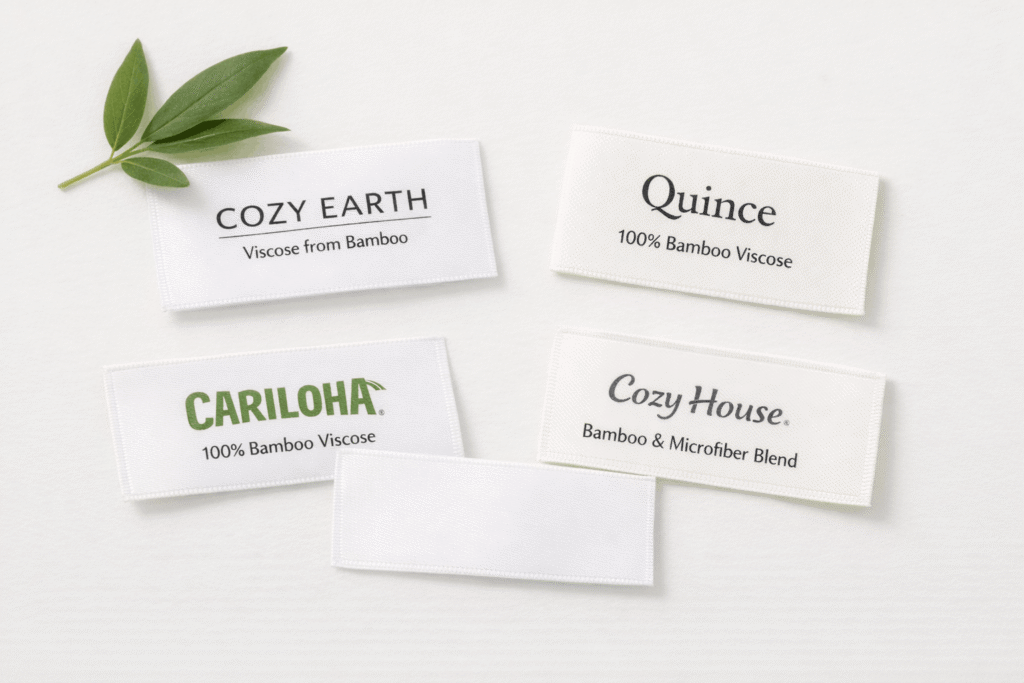
How to Wash Cozy Earth Bamboo Sheets
Cozy Earth uses viscose from bamboo for its sheets. It is one of the softest bamboo viscose fabrics on the market. Because of this, their sheets are temperature-sensitive.
Use cool water on a gentle cycle. Use a normal, mild detergent. Do not use bleach or vinegar-based products. Cozy Earth specifically warns against vinegar because it breaks down viscose fibers. Do not use fabric softeners. Wash separately from towels to prevent lint transfer.
For drying, use a low heat setting. Add dryer balls to prevent clumping. If you notice their sheets feel slightly less silky after washing, fabric softener may be the culprit. Stop using it, and the softness will gradually return.
Common user experience: Cozy Earth sheets feel even softer after two or three washes. A slight change in texture after the first wash is completely normal.
Care card: Cold water, gentle cycle, mild detergent, no fabric softener, no bleach, tumble dry low.
How to Wash Quince Bamboo Sheets
Quince labels their bamboo sheets as viscose. It is a semi-synthetic fabric processed from bamboo pulp. Quince sheets are known for their cool-to-the-touch feel and their value for price.
One thing to watch with Quince sheets: they are prone to pilling when washed with rough fabrics. Always wash them alone or with similar smooth items. Using a mesh laundry bag for pillowcases is a smart move. It reduces friction during the wash cycle.
Cold water, gentle cycle, mild liquid detergent. For drying, Quince recommends line drying for best results. If using a dryer, keep it on the lowest possible heat.
Care card: Cold water, gentle cycle, mild liquid detergent, mesh bag for pillowcases, line dry preferred, low dryer heat.
How to Wash Cariloha Bamboo Sheets
Cariloha uses bamboo viscose, and their sheets are among the softest available. They are also particularly sensitive to spin speed. Cariloha specifically advises against high-spin cycles in their care documentation.
Use cold water, a gentle or permanent press cycle, and a cold-water formulated detergent. The permanent press cycle is a good option because it uses a slower final spin, which protects the fibers. Avoid chlorine bleach entirely. For stains, use an enzyme-based stain remover before washing.
For drying, line dry or air dry on a rack. If you use a dryer, set it to the lowest heat available. Add wool dryer balls to speed things up.
Care card: Cold water, gentle or permanent press cycle, cold-water detergent, no chlorine bleach, line dry preferred, low dryer heat.
How to Wash Cozy House Bamboo Sheets
Cozy House sheets use a bamboo-microfiber blend. This blend is slightly more durable than pure bamboo viscose. The microfiber component adds resilience.
Because of this blend, Cozy House sheets can tolerate slightly warmer water, up to around 40°C (104°F). However, a gentle cycle is still recommended. Avoid high spin. Do not use fabric softener or bleach.
Care card: Cool to warm water (max 104°F), gentle cycle, mild detergent, no fabric softener, tumble dry low.
Material-Type Washing Guide — Viscose, Rayon, Silk and Cotton Blends
Not all bamboo sheets are made the same way. The fabric composition changes how you should wash them. Here is a guide by material type.
How to Wash Bamboo Viscose Sheets
Bamboo viscose is the most common type of bamboo fabric. Manufacturers process bamboo pulp into a soft, breathable fiber. The result is silky, lightweight, and comfortable.
Bamboo viscose is the most delicate bamboo fabric. It requires cold water and a gentle cycle without exception. Avoid anything that creates friction or heat. Use a mild liquid detergent. Skip fabric softener. Line dry or tumble dry on the lowest heat setting.
How to Wash Rayon from Bamboo Sheets
Rayon from bamboo and bamboo viscose are essentially the same material. The difference is the label. In the United States, the FTC requires the fabric to be labeled as rayon because of the chemical process used to convert bamboo into fiber.
If your sheets say “100% rayon from bamboo,” treat them the same as bamboo viscose sheets. Cold water, gentle cycle, mild detergent, low heat drying. Many buyers are confused by this label. Now you know the truth.
How to Wash Bamboo Silk Sheets
Bamboo silk is a tightly woven bamboo viscose with a satin-like surface. It has the silkiest feel of all bamboo fabric types. It is also the most delicate.
Hand washing is the safest option for bamboo silk sheets. Fill a basin or bathtub with cold water. Add a small amount of mild detergent. Gently agitate the sheets for a few minutes. Rinse thoroughly with cool water. Do not wring or twist the fabric.
If machine washing is necessary, use the silk or hand-wash cycle. Keep the water cold. Use a mesh laundry bag for extra protection. Always air dry flat or on a line. Never put bamboo silk sheets in the dryer.
How to Wash Bamboo Cotton Sheets
Bamboo-cotton blend sheets are the most forgiving to wash. Cotton fibers add structure and durability to the blend. This makes the sheets better at handling the wash cycle.
You can use cool to slightly warm water (up to 40°C / 104°F) for bamboo-cotton blend sheets. A gentle cycle is still the best choice. Mild detergent works well. Fabric softener is still not recommended. Tumble dry on low heat.
How Often Should You Wash Bamboo Sheets?
Wash your bamboo sheets every one to two weeks. That is the right answer for most people. But a few factors can change that schedule.
Bamboo fibers are naturally antimicrobial. This means they resist bacteria and odor better than cotton. You will notice your bamboo sheets stay fresher longer between washes. That is a real benefit. But it does not mean you should skip washing altogether.
Here is a simple frequency guide based on your situation:
| Sleeper Type | Recommended Wash Frequency |
|---|---|
| Average adult sleeper | Every 1–2 weeks |
| Hot sleeper or night sweats | Every 5–7 days |
| Allergies or sensitive skin | Every 7 days |
| Pets sleep in the bed | Every 5–7 days |
| Warm climate (summer months) | Every 7 days |
| Guest room sheets (rarely used) | Every 2–4 weeks or before guests arrive |
One thing many people get wrong is over-washing. Washing bamboo sheets too often actually shortens their life. Every wash cycle puts stress on the fibers. So find a schedule that fits your life without going overboard.
A smart strategy is to rotate between two sets of bamboo bed sheets. This way, each set gets washed less often. Both sets last longer. And you always have fresh sheets ready to go.
What Real Bamboo Sheet Owners Wish They Had Known
There is a lot of practical wisdom that only comes from actually owning and washing bamboo sheets. Here are the most common real-world lessons people share.
“I washed mine on warm the first time and they shrank.”
This is the most common mistake. Even slightly warm water can cause noticeable shrinkage in bamboo viscose sheets. Always use cold water. If your sheets feel a little smaller after the first wash, heat is usually the reason. Going forward, cold water only.
“I used fabric softener thinking it would help. It made them worse.”
Fabric softener feels like the logical choice for something you want to keep soft. But it does the opposite with bamboo. It coats the fibers and blocks breathability. After a few washes with softener, the sheets feel heavier and less comfortable. Stop using it. The natural softness will return after a few softener-free washes.
“After the third wash, my sheets felt even softer than when I bought them.”
This is the positive surprise most bamboo sheet owners experience. Bamboo fibers actually soften with gentle washing. The first wash breaks in the fabric. By the third wash, the sheets reach their full softness potential. Do not be discouraged if they feel slightly stiff out of the package.
“Can I wash bamboo sheets with my other clothes?”
This comes up often. The short answer is no, not ideally. Washing bamboo sheets with rough fabrics like towels, jeans, or items with zippers causes fiber abrasion. This leads to pilling. Wash your bamboo bed sheets alone or only with other smooth, flat fabrics.
“I left them in the dryer too long and now they feel rough.”
Over-drying is a common issue. High heat and over-drying stiffen bamboo fibers. If this happened to your sheets, try washing them again on cold and removing them slightly damp. Air dry the rest of the way. They may recover some softness.
Complete Bamboo Sheet Care Instructions — Quick Reference Guide
Bookmark this section. It covers every care decision in one place.
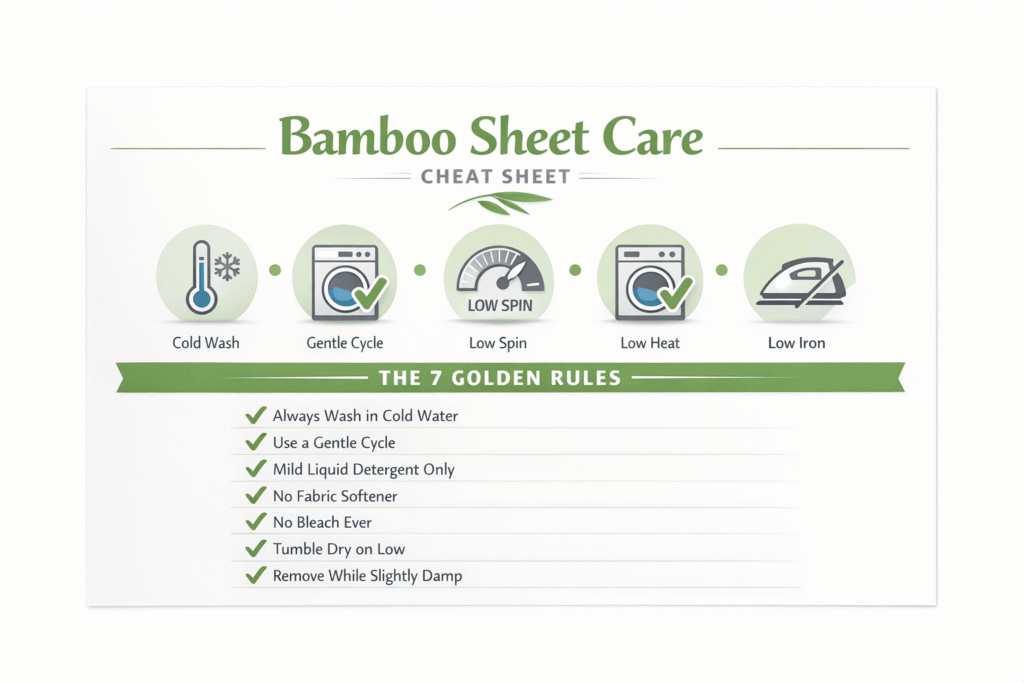
The 7 Golden Rules of Bamboo Sheet Care
- Always use cold water. Never use hot.
- Always choose the gentle or delicate cycle.
- Always use a mild, liquid, pH-neutral detergent.
- Never use fabric softener.
- Never use bleach of any kind.
- Always dry on low heat or air dry.
- Always remove from the dryer while slightly damp.
Here is the complete care reference table:
| Care Setting | Recommended | Avoid |
|---|---|---|
| Water Temperature | Cold (max 86°F / 30°C) | Warm or hot water |
| Wash Cycle | Gentle or Delicate | Normal, Heavy, Quick Wash |
| Spin Speed | Low (max 600–800 RPM) | Medium or High spin |
| Detergent Type | Mild liquid, pH-neutral | Powder, enzyme-heavy, or scented |
| Detergent Amount | Less than recommended | Full cap or more |
| Fabric Softener | Never | All types |
| Bleach | Never | Chlorine or oxygen bleach |
| Dryer Heat | Low or Air Dry | Medium or High heat |
| Dryer Sheets | Never | All types |
| Ironing | Low heat only, if needed | High heat or steam iron |
| Wash With | Similar smooth fabrics | Towels, denim, zipped items |
| Dry In | Shade or indoors | Direct sunlight for extended periods |
| Storage | Cool, dry, folded | Damp or humid spaces |
Stain Removal Tip: For stains, act quickly. Spray a chlorine-free stain remover directly on the stain. Or mix one tablespoon of white vinegar with four tablespoons of water and apply gently. Let it sit for five to ten minutes. Then wash normally on cold. For oil or lotion stains, a small amount of dish soap works well as a pre-treater.
FAQ — Your Bamboo Sheet Washing Questions Answered
Can you wash bamboo sheets in a washing machine?
Yes. Use a gentle or delicate cycle with cold water and a low spin speed. Add a mild liquid detergent and skip fabric softener. Remove the sheets promptly when the cycle finishes.
What detergent should I use for bamboo sheets?
Use a mild, liquid, pH-neutral detergent. Look for plant-based, fragrance-free options. Good choices include Seventh Generation, Ecos, or Mrs. Meyer’s Clean Day. Avoid detergents with bleach, enzymes, or optical brighteners.
Can bamboo sheets go in the dryer?
Yes, but only on a low heat or air-dry setting. Never use medium or high heat. Remove the sheets when they are still slightly damp and let them finish air-drying. This prevents shrinkage and keeps the fibers soft.
Do bamboo sheets shrink when washed?
They can shrink if washed in warm or hot water, or dried on high heat. Cold water washing and low heat drying prevent shrinkage. Most quality bamboo sheets are also preshrunk, but cold water is still the safest choice.
How do you wash white bamboo sheets without bleach?
Use a mild detergent and cold water on a gentle cycle. Add half a cup of baking soda to the wash to brighten whites naturally. Occasional air drying in indirect natural light also helps keep white bamboo sheets looking fresh and bright.
Can I use fabric softener on bamboo sheets?
No. Fabric softener coats bamboo fibers and reduces their natural breathability and softness over time. Bamboo is already naturally soft. It does not need softener. Skip it entirely for every wash.
How do I wash bamboo sheets for the first time?
Cold water, gentle cycle, mild liquid detergent, low spin speed. Wash them alone. Do not use fabric softener or bleach. Tumble dry on low heat and remove while slightly damp. Your sheets will feel even softer after the second and third wash.
How often should I wash bamboo sheets?
Every one to two weeks for most people. If you sweat heavily at night, have allergies, or share your bed with pets, wash every seven days. Rotating between two sets of sheets extends the life of each set.
Conclusion
Bamboo sheets are worth taking care of. They are soft, breathable, and can last five to fifteen years with proper washing and drying.
The three non-negotiables are simple. Cold water always. Gentle cycle every time. Low heat in the dryer without exception. Follow those three rules and you protect your investment with every wash.
Proper care also means skipping fabric softener and bleach entirely. It means washing your bamboo bed sheets alone. It means taking them out of the dryer while slightly damp.
Do all of this and your sheets will reward you. They will stay soft wash after wash, year after year.
Bookmark this guide and share it with anyone who just bought their first bamboo sheets. Proper care starts with the very first wash.
About This Guide
This article was written with input from textile care experts and verified against official care documentation from leading bamboo bedding brands. All care recommendations align with fabric manufacturer guidelines and current best practices for washing delicate natural and semi-synthetic fabrics. Information is reviewed and updated regularly to reflect the latest guidance from brands and fabric scientists.
Reviewed by: Textile Care Specialist with 10+ years of experience in bedding fabric research and care.