

Yes, you can be allergic to bamboo, but a true allergy to the plant or to bamboo fabric is rare. Most reactions people blame on bamboo, like rashes from bamboo sheets or itching from bamboo toilet paper, are actually caused by processing chemicals, dyes, detergents, or dust mites, not the bamboo fiber itself.
If you have ever broken out in hives after sleeping on new bamboo sheets, or felt itchy after switching to bamboo toilet paper, you have probably asked the obvious question: am I allergic to bamboo?
It is a fair question, and the answer is more interesting than a simple yes or no. True allergies to bamboo do exist, but they are uncommon. What is far more common is a reaction to something that came along with the bamboo: the chemicals used to turn it into fabric, the dyes, the detergent you washed it in, or the dust mites living in your bedding.
This guide sorts it out honestly. What a real bamboo allergy looks like, why bamboo sheets cause rashes when the bamboo is not the problem, whether grass allergies connect to bamboo, what to do about itchy bamboo toilet paper, and how to buy bamboo products that will not irritate your skin.
Can You Be Allergic to Bamboo?
Yes. Bamboo is a plant in the grass family, and like any plant, it can trigger allergic reactions in sensitive people. But true IgE-mediated allergies to bamboo, the kind an allergist would diagnose with a skin prick test, are rare. The scientific literature on bamboo allergy is thin. The Thermo Fisher allergen encyclopedia lists bamboo shoot (f51) with only anecdotal evidence and few published studies behind it (Thermo Fisher Scientific).
What doctors do see more often are reactions to bamboo products rather than to bamboo itself. Allergy treatment providers like Wyndly describe bamboo allergy symptoms as skin irritation, rash, or hives on direct contact (Wyndly). Curex, another allergy care company, goes further: you can react to bamboo fabric but not cotton, because the two fabrics carry different chemical loads even though both are cellulose fibers (Curex).
That distinction, the bamboo versus what is on the bamboo, is the key to this whole topic. Keep it in mind as we go through each type of reaction.
What Are the Symptoms of a Bamboo Allergy?
Bamboo-related reactions show up in a few different ways depending on what you were exposed to:
- Skin reactions: itching, redness, hives, contact dermatitis, or a bumpy rash where the product touched your skin. These are the most common complaints and the ones behind most “am I allergic to bamboo sheets” searches.
- Delayed reactions: some fabric reactions follow a Type IV delayed hypersensitivity pattern, appearing 12 to 96 hours after exposure, often on the face, neck, or forearms (per Curex’s clinical notes).
- Respiratory symptoms: sneezing, runny nose, or itchy eyes, mostly from bamboo pollen outdoors or dust in bedding, not from the fabric fiber itself.
- Food reactions: itching of the mouth, digestive discomfort, or in rare sensitized individuals, broader food-allergy symptoms from bamboo shoots.
- Contact irritation from raw bamboo: scratchy, tingly arms with small bumps after pruning or handling bamboo plants, caused by microscopic hairs on the stalks rather than an immune allergy.
One important note: a rash that appears after using a bamboo product does not automatically mean you are allergic to bamboo. The next section explains why.
Is It a True Allergy or Something Else?
This is the question that matters most, because the answer changes what you do about it.
A true allergy is an immune system response. Your body makes IgE antibodies against a specific protein, and re-exposure triggers histamine release: hives, swelling, itching, sometimes worse. True IgE-mediated allergy to bamboo is documented but rare, mostly in people already sensitized with asthma, rhinitis, or atopic dermatitis, and in agricultural workers who handle raw bamboo shoots.
A sensitivity or contact dermatitis is far more common. Your skin reacts to an irritant or chemical without involving IgE antibodies. This is what happens when bamboo sheets make you itch because of residual processing chemicals, when a dye triggers contact dermatitis, or when your laundry detergent is the real culprit. The reaction is real and uncomfortable, but it is not a bamboo allergy.
Mechanical irritation is the third category. No immune response at all, just physical abrasion. Raw bamboo stalks are covered in microscopic hairs and sharp sheath edges that scratch the skin. Gardeners who prune bamboo regularly report exactly this: itchy, tingly arms with small bumps that look like an allergy but are really thousands of tiny scratches.
Why does the distinction matter? Because if you are truly allergic to bamboo, you avoid bamboo. But if your reaction is to the chemicals in one brand’s sheets, switching to a certified low-chemical bamboo product solves the problem completely, and giving up on bamboo would be unnecessary.
Why Bamboo Sheets and Clothing Cause Rashes (It Is Usually Not the Bamboo)
This is the most searched version of the bamboo allergy question, and it has the clearest answer. When bamboo sheets or clothing cause hives, itching, or rashes, the bamboo fiber is almost never the cause.
Here is what actually happens. Nearly all bamboo fabric is bamboo viscose (also called rayon from bamboo). The manufacturing process dissolves bamboo pulp in sodium hydroxide and carbon disulfide, then rebuilds it into fiber. That process strips out the plant proteins and pollens that could trigger a true allergy. By the time it is a sheet, there is very little “bamboo” left in the allergenic sense. Textile analysis sites note that most bamboo sheets are made via the viscose process using carbon disulfide, sodium hydroxide, and sulfuric acid (Aizome Textiles). Reactions to pure bamboo-derived fiber are described as extremely rare across medical and industry sources.
So what is causing the rash? The usual suspects, in order of likelihood:
- Processing chemical residues. Cheap viscose production can leave traces of the harsh solvents used in manufacturing. This is the number one suspect when new sheets cause itching that fades after several washes.
- Dyes and finishes. Fabric dyes, wrinkle-resistant resins, and softening finishes are classic contact dermatitis triggers. One Reddit thread on hives from bamboo sheets had multiple commenters independently blaming the dye or the processing chemicals, not the bamboo.
- Synthetic blends. Many “bamboo” sheets are blended with polyester or microfiber. If you react, you may be reacting to the blend, not the bamboo.
- Your detergent and softener. This came up constantly in forums. Fragranced detergents and fabric softeners are among the most common causes of bedding-related rashes, and people blame the sheets when the detergent is the problem. Quora threads on itchy sheets return to this answer again and again.
- Dust mites. If your reaction is sneezing and itchy eyes rather than a rash, dust mites in the bedding are a more likely culprit than the fabric. Bamboo’s moisture-wicking actually makes bedding less hospitable to mites, which is one reason bamboo sheets are recommended for allergy sufferers in the first place.
The practical takeaway: if new bamboo sheets make you itch, wash them twice in fragrance-free detergent before concluding anything. If the itching persists, the product’s chemical load is the problem, not bamboo as a material. Our guide on how to wash bamboo sheets covers the detergent rules that prevent most of these reactions.
Bamboo and Grass Allergies: What Is the Connection?
Bamboo is a grass. It belongs to the Poaceae family, the same family as the grasses that cause hay fever. So it is natural to wonder: if I have a grass allergy, will bamboo sheets or bamboo products trigger it?
For bamboo fabric, the answer is reassuring. The viscose process removes the pollens and proteins that trigger grass allergies. A bamboo sheet contains no bamboo pollen. Multiple forum threads from grass-allergy sufferers confirm this logic, and the scientific view is that processed bamboo fiber carries essentially none of the allergenic material of the living plant.
For living bamboo outdoors, the answer is less clear-cut. Bamboo does produce pollen, and there are scattered reports of respiratory symptoms around bamboo plantings. One interesting wrinkle from the forums: some bamboo species rarely flower (some flower only once every several decades), so pollen exposure from garden bamboo is often minimal. If you have a severe grass pollen allergy and are planting bamboo, it is worth mentioning to your allergist, but the fabric you sleep on is a separate question with a reassuring answer.
Can Bamboo Toilet Paper Make You Itch?
Yes, and this is one of the most common bamboo allergy complaints. But again, the bamboo is rarely the problem.
Bamboo toilet paper itching is almost always contact dermatitis from manufacturing chemicals: bleaching agents, chlorine, softeners, fragrances, dyes, or lotions added to the paper. Bamboo toilet paper brands market themselves as natural and gentle, but the paper still goes through chemical processing, and sensitive skin notices.
What to do about it:
- Switch to a brand that is unbleached or processed without chlorine, and free of fragrances, dyes, and lotions.
- Look for third-party certifications on the packaging rather than trusting “natural” marketing language.
- If itching started right after switching brands, switch back or try a different bamboo brand before concluding bamboo is the issue. Different brands use very different processing.
The pattern here is the same as with sheets: the product category gets blamed for what the manufacturing chemicals did.
Can Bamboo Shoots Cause Food Allergies?
Bamboo shoots are a different story from bamboo fabric, because you are eating the actual plant. And yes, food-allergy reactions to bamboo shoots are documented, though the evidence is limited to case reports and anecdotal accounts rather than large studies.
Because bamboo is in the grass family, people with grass pollen allergies or existing food sensitivities are the most likely to react. Reported symptoms include mouth itching, digestive discomfort, and in sensitized individuals, broader allergic responses. The Thermo Fisher allergen encyclopedia notes IgE antibodies to bamboo have occasionally been reported in people with asthma, rhinitis, or atopic dermatitis.
There is also a separate safety issue with bamboo shoots that is not an allergy at all: raw bamboo shoots contain cyanogenic glycosides (taxiphyllin), which release cyanide (RxList). This is why bamboo shoots must always be cooked thoroughly before eating. Digestive distress from raw or undercooked shoots is toxicity, not allergy, and proper cooking eliminates it. If you have ever felt sick after eating bamboo shoots at a restaurant, undercooking is a more likely explanation than an allergy.

Can You Get a Rash from Touching Raw Bamboo?
Yes, and this one is well documented by the people who work with the plant. Gardeners who prune, thin, or clear bamboo regularly report itchy, tingly arms covered in small bumps and scratches.
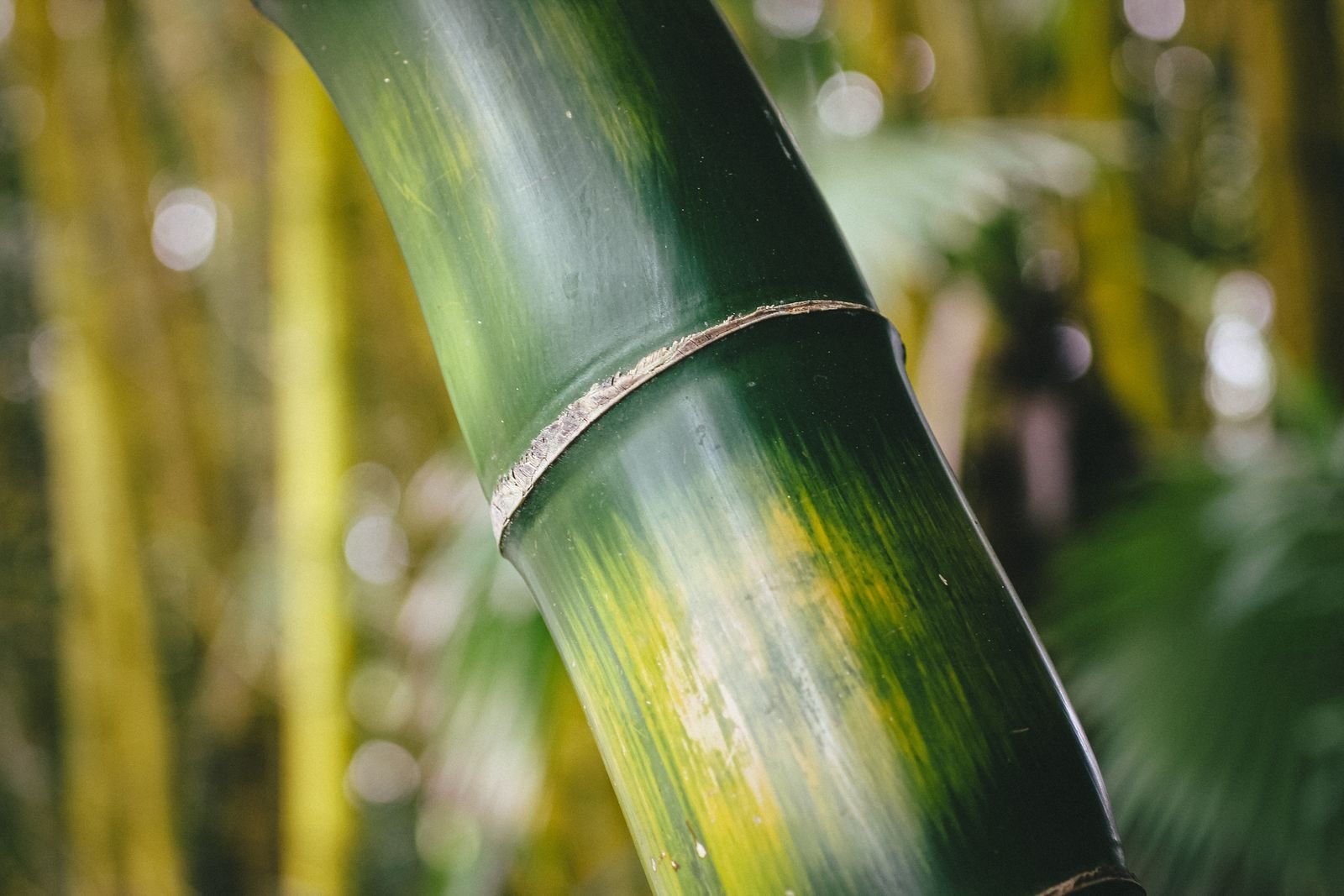
The cause is mostly mechanical, not allergic. Bamboo stalks and sheaths are covered in microscopic hairs and sharp edges that abrade the skin. Some species are worse than others. A 17-year Houzz forum thread on bamboo dermatitis is full of gardeners describing exactly this, with one professional noting that sheaths are most irritating in spring.
That said, true contact allergy to bamboo plant material is also documented in clinical reports, including delayed hypersensitivity reactions. And outdoor bamboo can harbor mites that cause their own skin reactions. So a gardener’s rash can be mechanical irritation, mite exposure, or genuine contact allergy, sometimes all at once.
Practical protection is simple: long sleeves, gloves, and eye protection when working with bamboo, and wash up afterward. If a rash from garden work keeps recurring in the same pattern, that is worth mentioning to a dermatologist.
Are Bamboo Products Safe for Babies and Pets?
Two of the most common search variations are about babies and pets, so let us address them directly.
Babies: Bamboo clothing is widely used for babies, including for eczema-prone skin, and serious reactions are uncommon. The same chemical-residue logic applies more strictly here: choose OEKO-TEX Standard 100 Class I certified garments (the strictest tier, for babies up to 36 months), wash before first wear, and use fragrance-free detergent. Our guide to bamboo baby clothes covers certification and care in detail. If a baby develops a rash from bamboo clothing, suspect the dye, the detergent, or the spandex in the blend before suspecting the bamboo.
Pets: Dogs and cats can develop contact sensitivities to fabrics just like humans, but a true bamboo allergy in pets is not a documented phenomenon. If your pet itches after you switch to bamboo bedding, consider the detergent, dust mites, or the pet’s existing environmental allergies first. As with human products, wash new pet bedding before use.
Is Bamboo Hypoallergenic?
Bamboo fabric is generally considered hypoallergenic, but that word needs unpacking. Hypoallergenic does not mean allergy-proof. It means less likely to trigger allergic reactions than typical alternatives.
Bamboo earns the label for three real reasons: its fibers are smooth and round, creating less friction against skin; it wicks moisture efficiently, keeping skin drier and making bedding less hospitable to dust mites; and the viscose process removes the plant proteins and pollens that would trigger plant allergies.
But hypoallergenic is a marketing term, not a regulated medical claim. No textile authority certifies a fabric as hypoallergenic the way OEKO-TEX certifies it as free of harmful substances. A cheap, chemically loaded bamboo sheet can absolutely cause a rash while honestly being made of bamboo fiber. The label on the product matters more than the fiber: look for OEKO-TEX Standard 100 certification, which means the finished product was tested for harmful chemical residues.
How to Tell If Bamboo Is Causing Your Reaction
If you suspect a bamboo product is behind your symptoms, work through this elimination sequence before concluding anything:
- Wash the product twice in hot water (if the fabric allows) with fragrance-free, dye-free detergent, no softener. Many reactions disappear at this step because the trigger was a finishing chemical or your old detergent.
- Change one variable at a time. Switch detergent first, then try the product again. If the reaction follows the product across detergents, the product is the problem.
- Check the label. Is it 100% bamboo viscose, or a blend? Blends introduce other fibers. Is it OEKO-TEX certified? Uncertified products from unknown sellers are where chemical residues hide.
- Note the timing. Immediate itching on contact points to irritation or contact allergy. A rash appearing 12 to 96 hours later fits the delayed hypersensitivity pattern and is worth describing precisely to a doctor.
- Consider the context. Did the reaction start with a new product, a new detergent, a new climate, or a stressful period? Skin is reactive to many things at once.
If you work through all of this and the reaction clearly tracks the bamboo product itself, stop using it and talk to a doctor or allergist. But in most cases, one of the earlier steps resolves it.
How to Buy Bamboo Products That Will Not Irritate Your Skin
- OEKO-TEX Standard 100 certification is the single most useful label. It means the finished product was tested for harmful substances. For baby products, look for Class I.
- Wash before first use. This removes surface finishing chemicals and is the cheapest insurance against a first-night rash.
- Fragrance-free detergent, no softener, no dryer sheets. These are more common rash triggers than any fabric.
- Check the blend. If you have sensitive skin, prefer higher bamboo content and be cautious of undisclosed synthetics, a point our bamboo underwear guide covers when comparing fabric compositions.
- Buy from brands that name their process. “Viscose from bamboo” or “lyocell from bamboo” on the label is honest. Vague “bamboo” with no fiber type is a flag.
- For bedding, our bamboo sheets guide and bamboo bedding benefits guide cover what to look for in detail.
How Is a Bamboo Allergy Treated?
Treatment depends on what is actually causing the reaction, which is why the elimination steps above come first.
For mild skin reactions, the first treatment is removal: stop using the product and wash the affected skin with gentle, fragrance-free soap. An over-the-counter oral antihistamine can calm itching and hives, and a basic hydrocortisone cream can settle contact dermatitis. Cool compresses help with the itch while the skin recovers.
For recurring or unclear reactions, an allergist can run patch testing to identify the exact trigger, whether it is a dye, a preservative, a fragrance, or a true bamboo sensitivity. If testing confirms a true allergy, avoidance is the treatment, and the allergist will advise on alternatives.
For respiratory symptoms around bamboo plants or in dusty bedding, the standard allergy playbook applies: reduce exposure, keep bedding clean, and talk to a doctor about antihistamines or nasal sprays if symptoms persist.
Seek urgent care for any severe reaction: swelling of the lips, face, or eyes, trouble breathing, or a rapidly spreading rash.
When to See a Doctor
Most bamboo-related skin reactions are mild and resolve once the trigger is removed. See a doctor or allergist if:
- The rash is severe, spreading, blistering, or painful.
- You have swelling of the lips, face, or eyes, or any breathing difficulty (seek urgent care).
- A food reaction to bamboo shoots involves more than mild digestive discomfort.
- The reaction keeps recurring and you cannot identify the trigger.
- You want proper allergy testing to know whether it is a true bamboo allergy or a chemical sensitivity.
An allergist can run patch testing for contact allergens (dyes, preservatives, fragrances) and IgE testing for true allergies, which is far more useful than guessing.
What real users found
We did not test these products ourselves. What follows is what real users, forum members, and reviewers reported after living with bamboo products, with the source for each finding.
PalmTalk gardeners, raw bamboo rash: In a 2006 PalmTalk thread, a gardener tying back bamboo woke up covered in itchy rashes over wrists, forearms, and calves, and other members pointed to the microscopic bamboo hairs as the irritant. The thread shows how easily raw bamboo gets blamed for an allergy when the cause is abrasion from the plant. PalmTalk thread
Allotments4All gardener, pruning sap: An allotments forum member reports that contact with bamboo, especially when pruning black bamboo, leaves itchy spots that blister in sunlight, and now wears gauntlets that extend 10 cm past the wrist because a long-sleeved shirt is not enough. The same member traces a grass-sap allergy that covers hands and arms in similar spots. Allotments4All thread
Bamboo-Comfort, itchy sheets guide: Bamboo-Comfort lists detergent residue, dye, fabric finish, and trapped allergens as the likely causes when new bamboo sheets itch, and advises washing first with fragrance-free, dye-free detergent plus an extra rinse. The Mayo Clinic lists detergents among the common irritants behind contact dermatitis, which can cause itching, bumps, and swelling. Bamboo-Comfort
Shuncy, user experiences: Shuncy reviewed the science and user reports on bamboo and found experiences mixed: many people report little to no reaction, while a subset notices mild irritation, mostly from dust or chemical finishes. Lab tests of bamboo extracts showed minimal IgE binding compared with dust mite or pollen controls, which points away from a bamboo allergy. Shuncy
Cheeky Panda founder, toilet paper irritation: Cheeky Panda co-founder Julie Chen, writing in October 2026, says toilet paper irritates sensitive skin through fibre roughness, shed dust, and chemical processing, with fragrance the most common trigger. Her advice is fragrance-free paper, and she warns no brand can claim to treat or prevent eczema, so patch-test any new product first. Cheeky Panda
Thermo Fisher, bamboo shoot allergy: Thermo Fisher’s allergen encyclopedia for bamboo shoot (f51) says evidence is anecdotal, with few studies reported and no bamboo allergen characterized so far. IgE antibodies to bamboo have been reported in people with atopic dermatitis, rhinitis, and asthma, and bamboo shoots were suspected in allergic symptoms among agricultural workers in Japan. Thermo Fisher
Frequently Asked Questions About Bamboo Allergies
Can you be allergic to bamboo?
Yes, but true allergies to bamboo are rare. Most reactions blamed on bamboo products come from processing chemicals, dyes, detergents, dust mites, or synthetic blends, not the bamboo fiber itself. Raw bamboo shoots and handling live bamboo plants carry more genuine allergy risk than bamboo fabric.
What are the symptoms of a bamboo allergy?
Skin symptoms are most common: itching, redness, hives, contact dermatitis, or a bumpy rash. Respiratory symptoms like sneezing can come from bamboo pollen outdoors. Food reactions to bamboo shoots may cause mouth itching or digestive discomfort. Severe reactions are uncommon.
Is bamboo hypoallergenic?
Generally, yes. Bamboo fabric is considered hypoallergenic because its smooth fibers create less friction, it wicks moisture well, and processing removes plant allergens. But hypoallergenic means less likely to cause reactions, not allergy-proof, and chemically loaded products can still irritate skin.
Can bamboo sheets cause rashes?
They can, but the bamboo fiber is rarely the cause. The usual culprits are residual viscose processing chemicals, dyes and finishes, synthetic blends, fragranced detergents, or dust mites. Wash new sheets twice in fragrance-free detergent before concluding the sheets are the problem.
Why does bamboo toilet paper make me itch?
Almost always contact dermatitis from manufacturing chemicals: bleaching agents, chlorine, softeners, fragrances, dyes, or lotions. Switch to an unbleached, fragrance-free, dye-free brand and the itching usually stops.
Can you be allergic to bamboo shoots?
Yes, food-allergy reactions to bamboo shoots are documented, though evidence is limited to case reports. Bamboo is in the grass family, so people with grass pollen allergies are more likely to react. Note that raw shoots also contain cyanogenic glycosides, so always cook bamboo shoots thoroughly; sickness from raw shoots is toxicity, not allergy.
Is it safe to touch raw bamboo?
For most people, yes, but wear protection when pruning or clearing it. The stalks have microscopic hairs and sharp sheath edges that cause mechanical skin irritation, and some people develop genuine contact reactions. Long sleeves and gloves prevent nearly all of it.
Can babies be allergic to bamboo?
Serious reactions are uncommon, but choose carefully. Use OEKO-TEX Standard 100 Class I certified bamboo clothing, wash before first wear, and use fragrance-free detergent. If a rash appears, suspect the dye, detergent, or spandex blend before the bamboo.
Can dogs or cats be allergic to bamboo?
A true bamboo allergy in pets is not a documented phenomenon. If a pet itches after a bedding switch, look at detergent, dust mites, or existing environmental allergies first, and wash new pet bedding before use.
How do you know if you are allergic to bamboo?
Work through elimination: wash the product twice in fragrance-free detergent, change one variable at a time, check the fiber blend and certifications, and note the reaction timing. If the reaction clearly tracks the bamboo product itself across all of that, see an allergist for patch or IgE testing.
What is better for sensitive skin, cotton or bamboo?
Bamboo viscose is smoother and wicks moisture better, so it tends to irritate sensitive skin less than cotton. But the product’s chemical load matters more than the fiber: a certified low-chemical bamboo product beats conventional cotton, while a chemically loaded bamboo product can be worse.
How long does a bamboo rash last?
Mild contact irritation usually fades within hours to a couple of days once the trigger is removed. Delayed hypersensitivity reactions can take several days to clear. If a rash persists beyond a week, spreads, or keeps recurring, see a doctor.
Final Thoughts
So, can you be allergic to bamboo? Yes, but probably not in the way you think. The bamboo plant can cause real allergies, mostly from shoots and from handling the live plant. But the bamboo sheets, clothing, and toilet paper that most people react to are a different story: the fiber has been processed into something with very little allergenic bamboo left in it, and the reaction is almost always about the chemicals that came along for the ride.
That is actually good news. It means the fix is usually simple: wash new products before use, switch to fragrance-free detergent, and buy certified products from brands that disclose their process. You do not have to give up on bamboo. You just have to buy it carefully.
And if a brand tells you its bamboo is “naturally antibacterial” and therefore allergy-proof, treat that claim the way you would treat any marketing claim: check the evidence. On that one, there is not much.