
You picked up a Lucky Bamboo plant because it looked beautiful. It was cheap, low maintenance, and fit perfectly on your shelf.
But if you own a cat, that plant may be doing more harm than good.
Let’s get straight to the truth.
Yes, Lucky Bamboo Is Toxic to Cats
Lucky Bamboo is not a safe plant for cats. Full stop.
The ASPCA and the Pet Poison Helpline both confirm this. Lucky Bamboo contains toxic compounds that can make your cat sick, sometimes seriously.
The confusion starts with the name. “Bamboo” sounds natural and harmless. But Lucky Bamboo is not bamboo at all.
What Is Lucky Bamboo Actually?
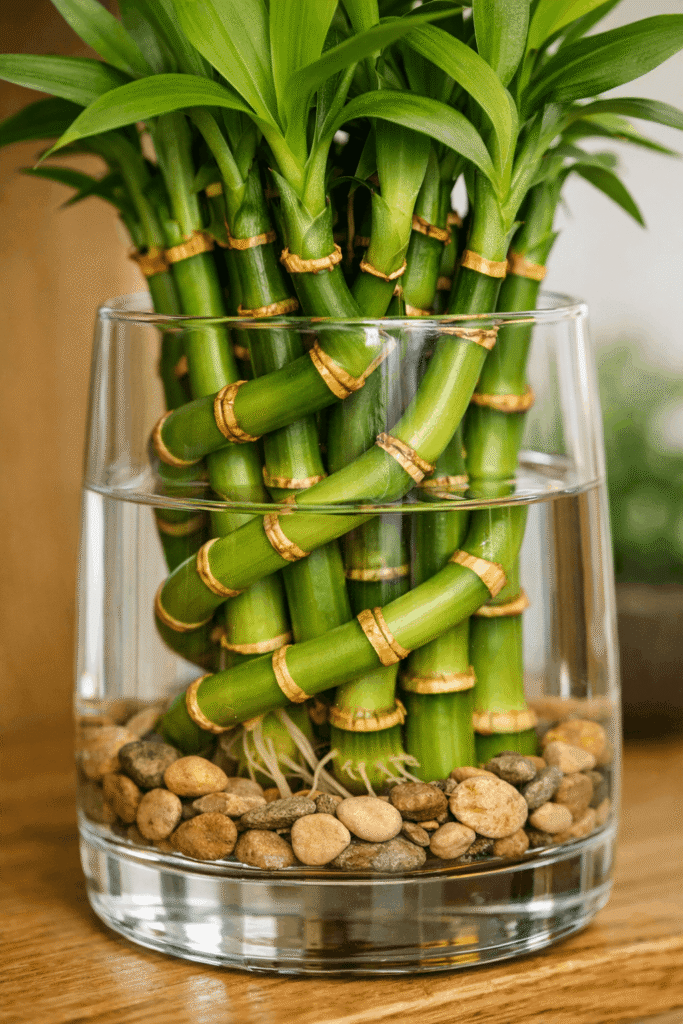
Lucky Bamboo is a plant called Dracaena sanderiana. It belongs to the Dracaena family.
It has no botanical relationship to true bamboo. True bamboo is a grass from the Bambusoideae family. Lucky Bamboo is a tropical African plant sold worldwide as a decorative piece.
The name “Lucky Bamboo” is purely a marketing term. It stuck because of the plant’s bamboo-like stalk appearance and its association with Feng Shui and good fortune.
But for your cat, there is nothing lucky about it.
Why Is Lucky Bamboo Toxic to Cats?
The toxicity comes from compounds called saponins.
Saponins are natural chemicals found in many plants. In Lucky Bamboo and all Dracaena species, these saponins are steroidal saponins. When a cat ingests them, the compounds irritate the digestive system and affect the nervous system.
Cats are more sensitive to saponins than humans. Even a small amount can cause visible symptoms.
This is not a plant where you wait and see. Symptoms can appear within hours of ingestion.
Symptoms of Lucky Bamboo Poisoning in Cats
Know these signs by heart. They could matter in an emergency.
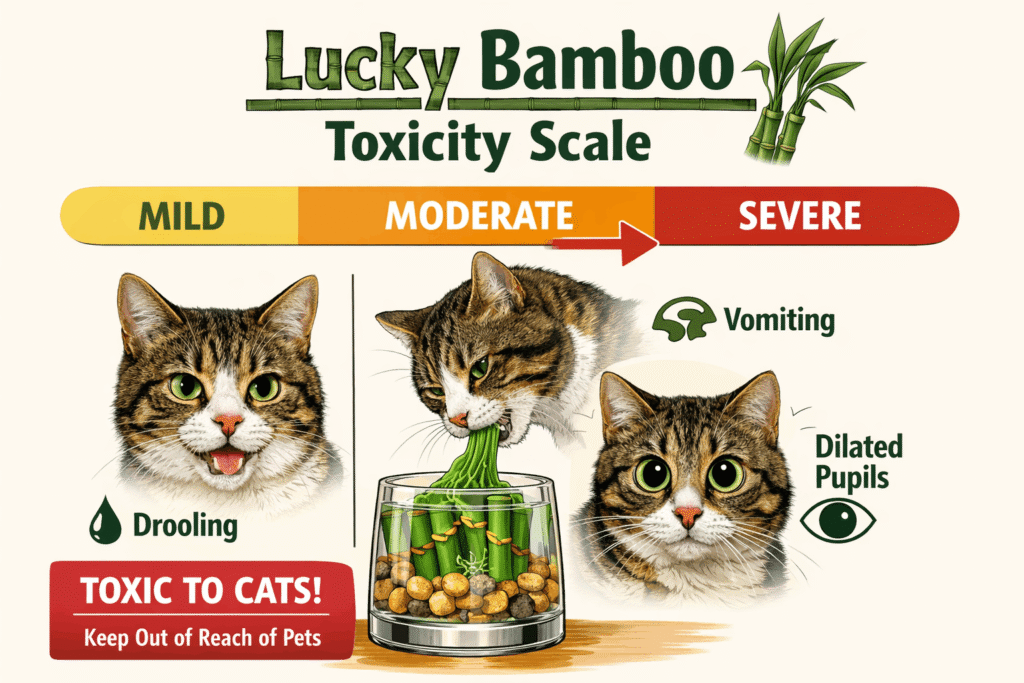
- Excessive drooling
- Vomiting (sometimes with blood)
- Loss of appetite
- Lethargy and weakness
- Dilated pupils
- Incoordination or stumbling
In most cases, Lucky Bamboo causes mild to moderate toxicity. But every cat reacts differently. A small kitten or a senior cat with health issues faces higher risk than a healthy adult cat.
Do not measure the risk by how much your cat ate. Even a nibbled leaf warrants a call to your vet.
How Toxic Is Lucky Bamboo to Cats?
The Pet Poison Helpline classifies Lucky Bamboo as mildly to moderately toxic for cats.
That means it is unlikely to be fatal in most healthy adult cats. However, it will cause real discomfort and potential health complications without proper care.
Some cat owners report their cat drank water from a Lucky Bamboo vase and showed mild stomach upset. The plant releases trace compounds into the water over time. Even indirect exposure carries low-level risk.
The safest decision is zero exposure. Remove the plant completely.
My Cat Ate Lucky Bamboo Leaves. What Now?
Stay calm. Then act immediately. Here is exactly what to do.
Step 1: Remove the plant from your cat’s reach right now.
Step 2: Do not try to make your cat vomit at home. This can cause more harm.
Step 3: Call your vet right away. Describe what your cat ate and how much.
Step 4: If your vet is unavailable, call the ASPCA Animal Poison Control Center at (888) 426-4435. They are available 24 hours a day.
Step 5: Watch your cat closely. Note when symptoms started and how they progress. This information helps your vet treat your cat faster.
Is Lucky Bamboo Toxic to Cats and Dogs?
Yes. Lucky Bamboo is toxic to both cats and dogs.
Dogs can experience similar symptoms including drooling, vomiting, weakness, and loss of coordination. However, cats tend to be more sensitive to plant toxins in general.
If you have multiple pets at home, the rule is the same. Lucky Bamboo should not be in your house at all.
Is Lucky Bamboo Toxic to Humans?
Lucky Bamboo is not considered toxic to humans in normal handling or exposure. You can touch it, water it, and keep it in your home without risk to yourself.
The danger is specific to cats, dogs, and horses. Human digestive systems handle saponins very differently.
That said, wash your hands after handling the plant. And keep children from chewing on it as a general safety practice.
Can Cats Be Around Lucky Bamboo If It’s Out of Reach?
Technically yes, but practically no.
Cats are agile, determined, and endlessly curious. A plant on a high shelf is still a challenge your cat may accept. Cats jump. Cats knock things over. Cats find a way.
The only truly safe option is removing Lucky Bamboo from your home entirely if you own a cat.
There is no safe placement strategy that is foolproof with a determined feline in the house.
What to Replace Lucky Bamboo With
You do not have to give up on beautiful houseplants. Many safe options exist.
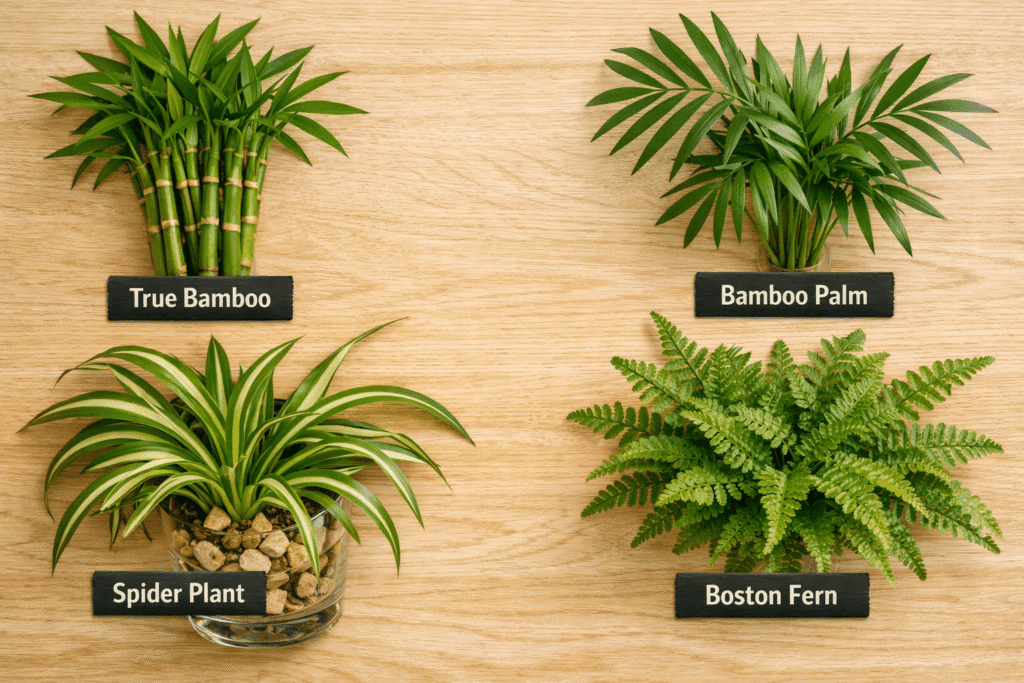
Cat-safe alternatives:
- True Bamboo (Phyllostachys aurea) — actually safe and looks similar
- Bamboo Palm (Chamaedorea elegans) — safe, air purifying, easy to maintain
- Spider Plant — non-toxic and cats tend to love them
- Boston Fern — lush, beautiful, and completely safe
For a full list of safe and toxic plants, check our complete guide on safe and toxic houseplants for cats.
The Reddit Warning You Should Know About
On Reddit, dozens of cat owners have shared stories about Lucky Bamboo and their cats getting sick.
A common pattern appears in these posts. A cat drinks from the Lucky Bamboo water dish. Hours later, the cat is lethargic and vomiting. The owner had no idea the plant was dangerous.
This is exactly why awareness matters. The plant is everywhere. The risk is real. And most people simply do not know.
ASPCA Confirmed: Lucky Bamboo Is on the Toxic Plant List
The ASPCA Poison Control database lists all Dracaena species, including Lucky Bamboo (Dracaena sanderiana), as toxic to cats.
This is not a grey area. This is not conflicting information. The gold standard authority on pet safety has made the call clearly.
If you want to verify it yourself, visit the ASPCA Animal Poison Control website and search “Dracaena.” You will find Lucky Bamboo listed under toxic plants for cats immediately.
Final Word
Lucky Bamboo is one of the most common household plants in America. It is also one of the most overlooked dangers for cat owners.
The name is misleading. The appearance is harmless. But the chemistry is real.
Remove it. Replace it. And share this information with every cat owner you know.
If you want the full picture on bamboo safety, including true bamboo and Heavenly Bamboo, read our pillar guide on is bamboo toxic to cats. And for a broader look at plant safety at home, explore our guide on safe and toxic houseplants for cats.